A multi-million dollar military aircraft hitting a mountain ridge isn't just an aviation disaster. It's an instant ecological crisis.
On June 13, 2026, around noon, a U.S. Marine Corps F/A-18 Hornet crashed directly into a mountain on the south side of Rimrock Lake, Washington. The jet belonged to the 3rd Marine Aircraft Wing, Marine Aircraft Group 11, flying all the way from Marine Corps Air Station Miramar in San Diego for a routine training mission.
The pilot ejected safely and survived with only minor injuries. A mountain pass deputy pulled the pilot from the rugged terrain of Yakima County, and a local hospital evaluated them shortly after. That's a triumph of engineering. The ejection seat did exactly what it was designed to do, saving a human life in a split second. But the moment that jet slammed into the timber, the emergency completely changed shape.
The Instant Wildfire Threat in the Okanogan-Wenatchee National Forest
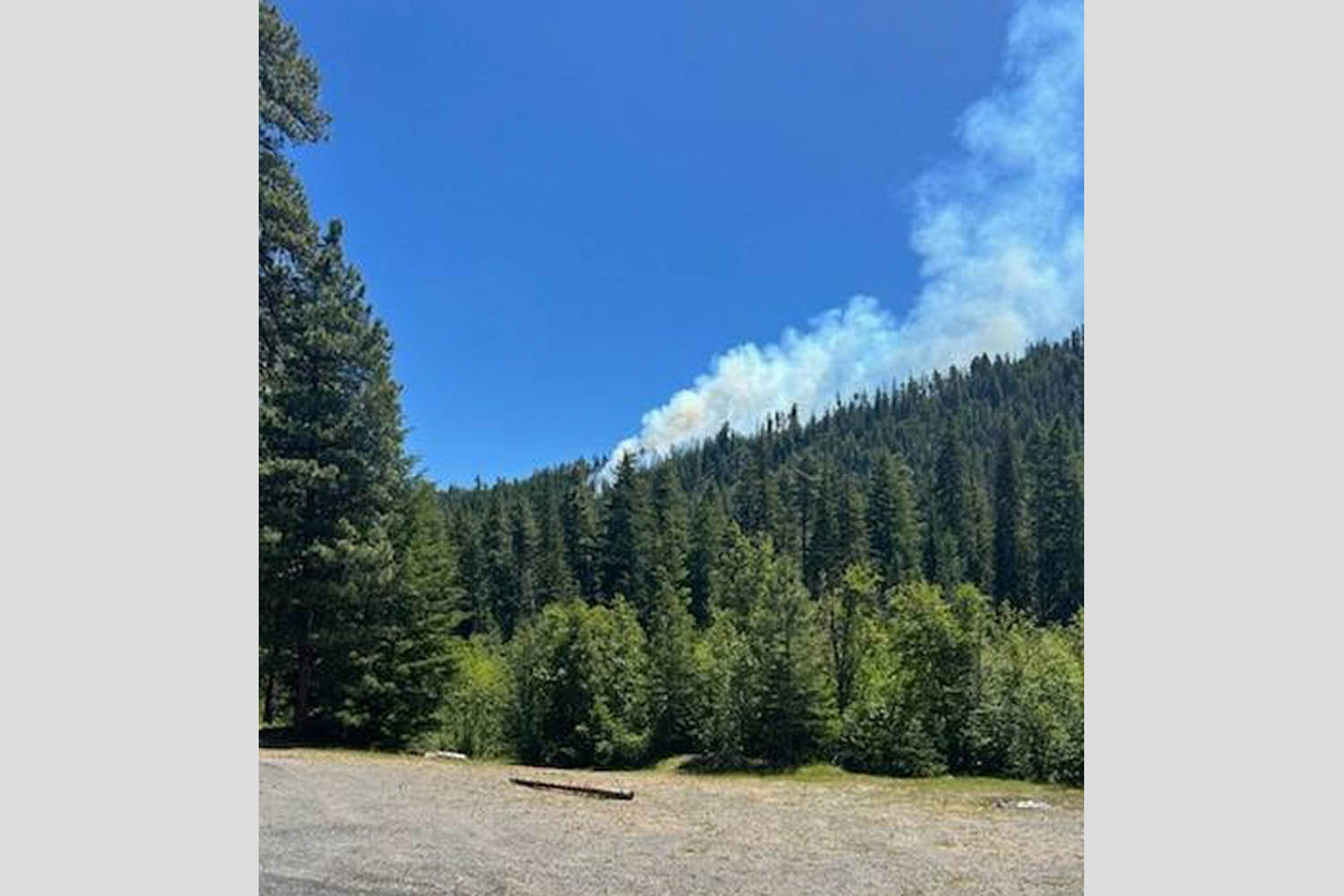
When a fighter jet loaded with fuel hits a heavily wooded mountain slope, you don't just get a debris field. You get an immediate forest fire. The crash triggered a significant wildland blaze in the Okanogan-Wenatchee National Forest.
Local emergency dispatchers started getting flooded with frantic calls at 12:15 p.m. The Naches Fire Department, alongside state and federal crews, rushed to the scene. The geography made things brutal. Ground crews couldn't just drive up to the impact zone because the terrain is incredibly steep and choked with thick timber.
- Air Support: Multiple firefighting helicopters immediately started dropping water on the flames to keep the fire from running wild up the mountain.
- Ground Response: A U.S. Forest Service engine arrived to tackle the lower edges, while local crews set up a defensive perimeter around nearby structures.
- Evacuations: Deputies shut down the entire 1200 Road system and forced campers on the south side of Rimrock Lake to pack up and flee.
Firefighters successfully established structure protection around the nearby Bear Creek cabins. They kept the fire from consuming civilian homes, but a water tender had to stay on-site overnight just to manage the active hot spots.
The Extreme Physical Toll of Ejecting From a Hornet
People see a pilot float down under a nylon canopy and think the hard part is over. It isn't. Ejecting from a supersonic tactical jet is essentially surviving a controlled explosion.
When a pilot pulls that ejection handle, explosive cartridges blow the canopy away. Then, a rocket motor under the seat ignites, blasting the pilot upward out of the cockpit with immense force. We're talking about an acceleration spike of 12 to 20 Gs. That means a 180-pound pilot suddenly feels like they weigh nearly two tons for a fraction of a second.
That level of force does violent things to the human body. Spinal compression fractures are common. Pilots frequently suffer severe neck strain, facial bruising from the sheer force of the windblast, and dislocated joints. If you eject while traveling at high speeds, the air hitting your limbs can literally tear muscles or break bones. The pilot in this Yakima County crash walked away with minor injuries. Honestly, that's incredibly lucky.
Why the Pacific Northwest Keeps Swallowing Military Aircraft
This part of Washington state is notoriously unforgiving for military training flights. The combination of low-level training routes, unpredictable mountain weather, and sudden altitude changes makes the region a gauntlet for aviators.
This crash happened southeast of Mount Rainier. If that sounds familiar, it's because the region has a dark history with tactical aircraft. In October 2024, a Navy EA-18G Growler—a specialized electronic warfare variant built on the same basic airframe as the Hornet—crashed during a training mission near Mount Rainier. That crash killed both crew members, prompting a massive, days-long recovery effort involving elite Navy search teams and soldiers from the 1st Special Forces Group in the deep snow.
Aviators use these mountain ranges to practice low-altitude radar-evading tactics. You fly fast, you fly low, and you use the ridges to hide. But when a mechanical failure happens, or if a pilot loses situational awareness for even a second, the margin for recovery is exactly zero.
What Happens Next to the Rimrock Lake Crash Site
The pilot is safe, and the fire is getting contained, but the story doesn't end here. The military is moving in, and they will completely lock down the area for weeks.
First, the Marine Corps has launched a formal aviation mishap investigation. Investigators have to piece together exactly why this F/A-18 went down. They will look at flight data logs, maintenance histories, and the physical wreckage to figure out if this was a mechanical failure, an engine fire, or human error.
Second, the cleanup is going to be an absolute nightmare. Military jets are packed with hazardous materials. Beyond the remaining jet fuel, there are hydraulic fluids, carbon fiber composite materials that release toxic particles when burned, and potentially live cartridge-actuated devices from the unspent emergency systems. Environmental teams will have to meticulously recover every single piece of metal and contaminated soil from that mountainside to prevent long-term damage to the watershed feeding Rimrock Lake.
If you have plans to hike, fish, or camp near the south side of Rimrock Lake anytime soon, cancel them. Authorities have made it clear that the 1200 Road system and the surrounding backcountry will remain strictly off-limits while recovery teams do their work. Keep your distance, let the fire crews finish securing the perimeter, and give the military investigators the space they need to figure out what went wrong in the skies over Yakima County.
This local news broadcast detail provides critical context regarding how Pacific Northwest-based military aviation units operate and the inherent risks of low-altitude mountain training exercises.