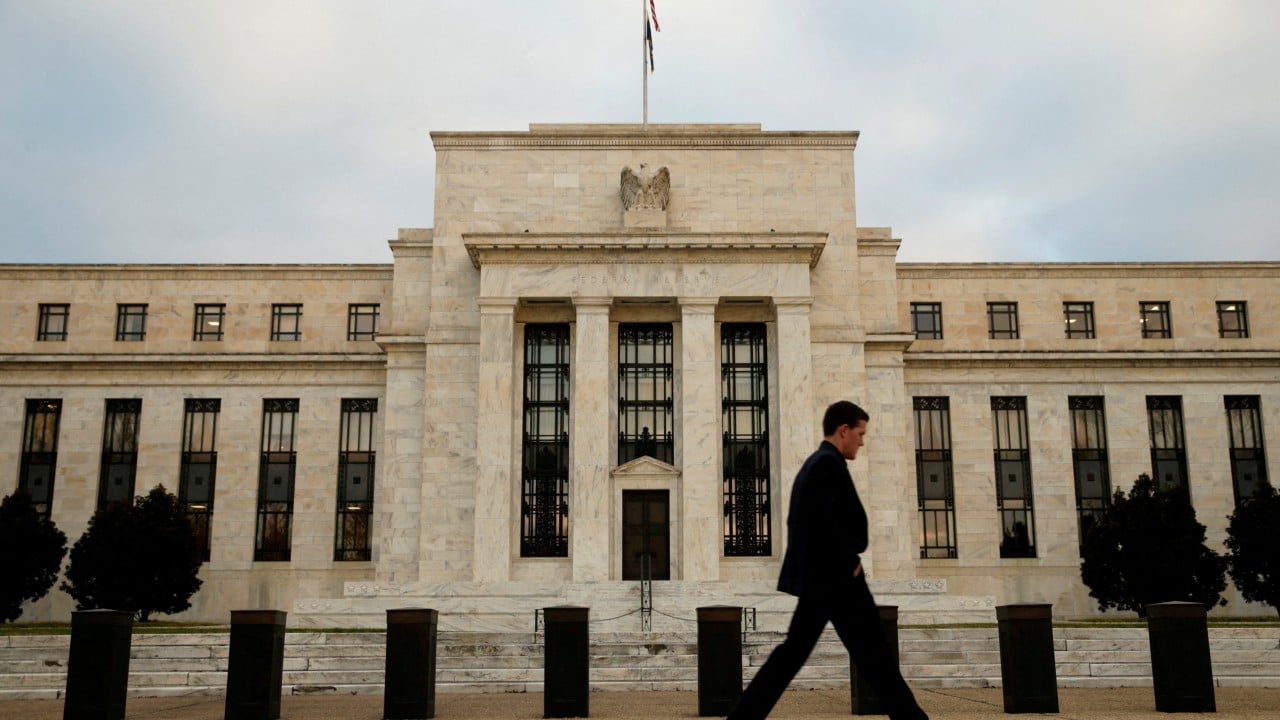
Inflation refuses to die quietly. While everyday consumers feel the pinch at the grocery store and gas pump, a high-stakes standoff is playing out between the central bank and the White House. Federal Reserve Chair Kevin Warsh and his colleagues aren't listening to political pressure. They are pushing forward with monetary tightening because stubborn price increases leave them little choice.
If you've been wondering why borrowing costs keep climbing when politicians demand relief, you have to look past the political rhetoric. Central bank independence isn't just a textbook concept. It is the defensive wall standing between the US economy and runaway price spirals. For a more detailed analysis into similar topics, we suggest: this related article.
The Real Driver Behind Sticky Prices
Most people assume rising prices stem from a single isolated shock. The reality on the ground is far messier. Energy costs have fluctuated wildly, but the core issue is that inflation has leaked into everyday services, healthcare, and technology infrastructure. Massive capital expenditures on artificial intelligence data centers are driving up electricity demand and specialized hardware costs. When compute power and power grids strain under unprecedented loads, the ripple effect hits consumer electronics and commercial shipping.
Central bankers look at these broad-based pressures and realize that pausing rate hikes would signal surrender. When consumer price indexes print higher than anticipated, the Federal Open Market Committee faces a binary choice. They can ease monetary policy to please political figures, or they can protect the purchasing power of the dollar. They choose the latter, even if it sparks fierce public clashes with Washington. For additional details on this development, extensive reporting is available on MarketWatch.
Navigating the White House Pressure
Political friction between the executive branch and the nation's central bank is nothing new, but the current volume is deafening. Administrations naturally want cheap credit to juice economic growth and score political wins. When the Federal Reserve raises benchmark rates to cool spending, it directly contradicts those short-term goals.
Treasury officials and presidential advisors often argue that price spikes are driven by transient supply shocks or energy dynamics rather than excessive demand. Yet, governors inside the Fed see labor markets remaining stubbornly solid and service sector inflation accelerating. Ignoring these indicators would risk repeating the policy errors of past decades, where central banks lowered guard too early and allowed inflation expectations to become permanently unanchored.
What Higher Rates Mean for Your Wallet
Living through a high-interest-rate environment requires a complete shift in personal financial strategy. Car loans, mortgages, and business operating lines are significantly more expensive than they were a few years ago. If you are holding variable-rate debt, the math is punishing.
- Prioritize high-interest debt elimination. Carrying balances on variable credit lines while the central bank maintains a restrictive stance is financial bleeding.
- Reevaluate large capital purchases. Whether you are a business owner buying commercial equipment or a household looking to finance a major project, factor in elevated borrowing costs for the foreseeable future.
- Lock in yields where possible. Fixed-income instruments finally offer real returns, making cash management much more rewarding for savers who play their cards right.
The central bank is signaling that borrowing costs will stay restrictive until consumer prices sustainably track back toward the two percent target. Ignoring these signals or hoping for a sudden pivot is a losing game. Adapt your budget to the current reality because cheap money isn't coming back anytime soon.