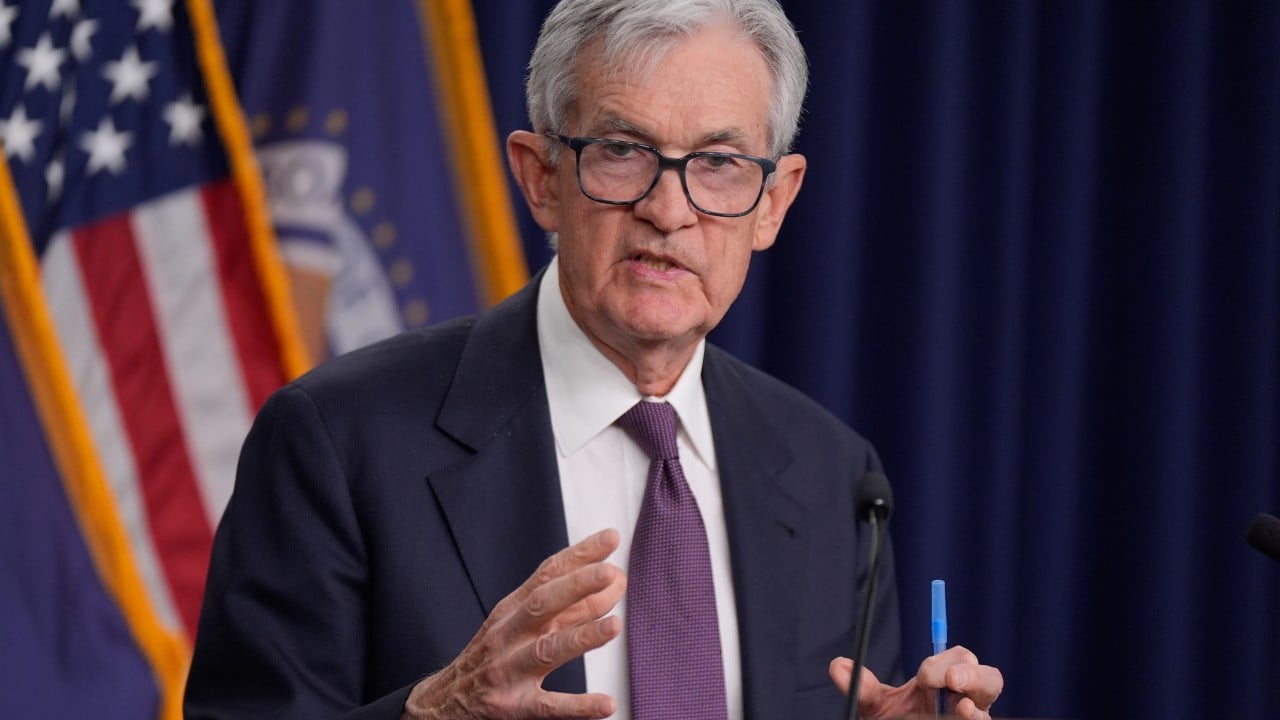
The Federal Reserve just sent a message that rang louder than any political rally or battlefield explosion. By choosing to keep interest rates exactly where they are, Jerome Powell and his colleagues didn't just make a technical adjustment to the economy. They drew a line in the sand. Despite relentless public bashing from the White House and the terrifying specter of an escalating conflict with Iran, the central bank opted for the status quo. It's a move that tells us a lot about who's actually running the show when the stakes are highest.
You've probably heard the noise. Trump wants lower rates to juice the economy before an election. The headlines are screaming about drone strikes and regional instability in the Middle East. Usually, that kind of pressure makes people blink. Not this time. The Fed is betting that the biggest threat isn't a tweet or a distant war, but the slow, grinding reality of inflation that hasn't quite hit the 2% target yet.
The Myth of the Submissive Central Bank
For months, the narrative was that the Fed would eventually fold. Critics argued that no unelected body could withstand the sheer volume of criticism coming from the Oval Office. We've seen the clips. Trump has called for "big" rate cuts, labeling the current policy "ridiculous" and a drag on American growth. He wants the stock market to soar, and he knows cheap money is the fastest way to get there.
But the Fed isn't a political tool, even if people try to use it like one.
The decision to hold rates at their current level—roughly 5.25% to 5.5%—proves that the "dot plot" matters more than the "news cycle." Powell knows that if he cuts rates now just to please the administration, he destroys the Fed's most valuable asset: its credibility. Once the market thinks the Fed is a political puppet, the entire financial system starts to wobble. Investors stop trusting the data and start trying to predict the next political mood swing. That's how you get hyperinflation or a total market collapse.
Honestly, it takes some guts to stand your ground when the most powerful man in the world is calling you an "enemy." But the data doesn't lie. While the labor market is cooling slightly, it’s still far from a crisis. Unemployment is low. Consumer spending, while cautious, hasn't fallen off a cliff. If they cut rates today, they risk reigniting the very inflation they've spent the last two years trying to kill.
Why Iran Matters Less Than Your Grocery Bill
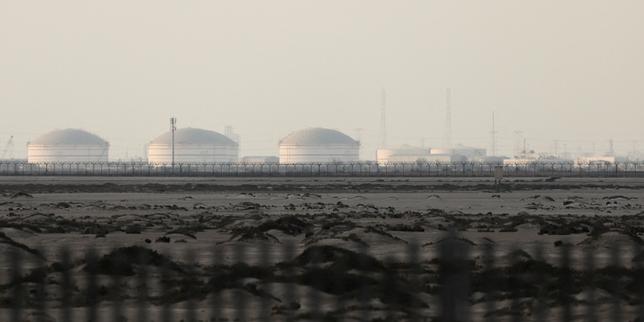
Whenever there's a flare-up in the Middle East, the immediate reaction is panic. The "Iran war concerns" mentioned in every news ticker right now are real, but they aren't the Fed's primary driver. Yes, a war could spike oil prices. Yes, it could disrupt global shipping through the Strait of Hormuz. That’s a nightmare for the global economy.
However, the Fed doesn't usually react to geopolitical shocks until they actually show up in the economic data. They can't set interest rates based on "what ifs."
Think about it this way. If they cut rates now because they're scared of a war that hasn't fully broken out, and then oil prices skyrocket anyway because of supply shocks, they’ve basically poured gasoline on a fire. They’d be stuck with high energy prices AND cheap money, which is a recipe for an 1970s-style stagflation nightmare.
Instead, they're playing a waiting game. They’re looking at core inflation—the stuff that doesn't jump around every time a drone is launched. That number is still stubborn. It’s sitting above the target. To the Fed, the risk of "letting the genie out of the bottle" again is much scarier than a temporary spike in crude oil. They'd rather keep the brakes on a little too long than let go and watch the car roll down a hill.
Reading Between the Lines of the FOMC Statement
If you actually sit down and read the Federal Open Market Committee (FOMC) statements, you'll see a lot of "wait and see" language. It's boring. It's repetitive. And that's exactly the point. They want to be predictable.
The latest statement basically says that while there has been "modest further progress" toward their inflation goal, they need "greater confidence" before they start cutting. That's central bank speak for: "We aren't convinced yet."
- The Labor Market: It's no longer "red hot," but it's "solid." They aren't seeing the mass layoffs that would force an emergency cut.
- Economic Activity: It’s expanding at a "solid pace." Not a boom, but not a recession either.
- The 2% Goal: This is their North Star. Until they see a clear path to 2% that doesn't look like a fluke, those rates are staying put.
Most people don't realize how much the Fed hates being wrong. They were late to the party when inflation started rising in 2021, calling it "transitory." They got burned. Now, they're overcompensating. They want to be 110% sure inflation is dead before they even think about making money cheaper again.
The Trump Factor and the 2024 Election
We're heading into a massive election year. Usually, the Fed likes to stay out of the way during the final months of a campaign to avoid looking like they're helping one side. This makes the next few months incredibly awkward.
If they cut in September, Trump will claim they're trying to help the Democrats. If they don't cut, the Democrats will complain that high rates are hurting middle-class homeowners. It’s a lose-lose situation for Powell's public image.
But here’s the thing. The Fed’s independence is designed for exactly this moment. By holding steady now, they're signaling that they don't care about the election calendar. They're looking at 2025 and 2026. They're looking at the long-term health of the US Dollar.
Trump's pressure is basically a test. Can the institution survive a populist president who wants to dismantle its autonomy? So far, the answer is yes. But it's a fragile "yes." If the next administration succeeds in making the Fed chair a political appointee who follows orders, the US economy changes forever. You’d see higher long-term interest rates because lenders would demand a "political risk premium." Nobody wants to lend money to a country where the currency is managed by a politician looking for a quick poll boost.
What This Means for Your Wallet Right Now
Stop waiting for a massive rate drop to fix your finances. It isn't happening this month, and it might not happen as fast as you hope later this year.
- Mortgages: If you're waiting for 3% or 4% rates to return before buying a home, you’re going to be waiting a long time. The "new normal" is likely much higher than the post-2008 era. If you find a house you love and can afford the payment, buy it. You can always refinance later if the Fed finally moves, but don't bank on it.
- Savings: This is the silver lining. High-yield savings accounts and CDs are actually paying something for the first time in a decade. While the Fed holds steady, you're getting paid to keep your money in the bank. Lock in a high-rate CD now if you have extra cash.
- Credit Cards: This is the pain point. Variable interest rates on credit cards are at all-time highs. Because the Fed didn't cut, your debt isn't getting any cheaper. Prioritize paying down high-interest balances immediately. Every month you carry a balance is a win for the banks and a loss for you.
The Geopolitical Risk Nobody Is Talking About
While everyone focuses on Iran, the real shadow over the Fed is the global supply chain. If the conflict spreads, we're not just talking about oil. We're talking about microchips, raw materials, and shipping costs.
The Fed is essentially keeping its "dry powder." If a major war breaks out and the global economy takes a massive hit, they need the room to cut rates then. If they cut now for political reasons and then a crisis hits, they'll have fewer tools left to fight the resulting recession. It's about maintaining a margin of safety.
Don't expect a pivot anytime soon just because the news is scary. The Fed has shown it can tune out the noise. They're focused on the boring, technical, and often painful task of balancing the value of the dollar against the heat of the economy. It's not flashy, and it definitely won't win them any popularity contests in DC, but it's the only way to prevent a total inflationary meltdown.
Keep your eye on the PCE (Personal Consumption Expenditures) price index. That's the Fed's favorite metric. If that number doesn't drop significantly in the next two reports, expect the "higher for longer" mantra to continue well into the end of the year. The war in the Middle East and the war of words in Washington are just background noise compared to those spreadsheets.
Check your high-yield savings account rates this week. Many banks are already starting to nudge their rates down in anticipation of a future cut, even if the Fed hasn't acted yet. If you can lock in a rate above 4.5% or 5% for a year, do it. The window for peak savings returns is closing, even if the Fed is taking its sweet time.