A celebration turned into absolute carnage in a matter of seconds. In the small coastal town of Kuhestak, located in southern Iran near the Strait of Hormuz, a residential family compound was preparing for a joyous occasion. Women and children had gathered to celebrate a fisherman's daughter getting married. Before the bride and groom even arrived at the venue, a barrage of explosions tore through the area.
When the dust finally settled, five people were dead—including children—and more than 60 others sustained severe injuries. The immediate aftermath revealed a landscape of pure horror. Shoes lay scattered across blood-stained rubble, and personal belongings were abandoned as terrified survivors fled into the night. If you found value in this post, you might want to read: this related article.
The Horror on the Ground in Kuhestak
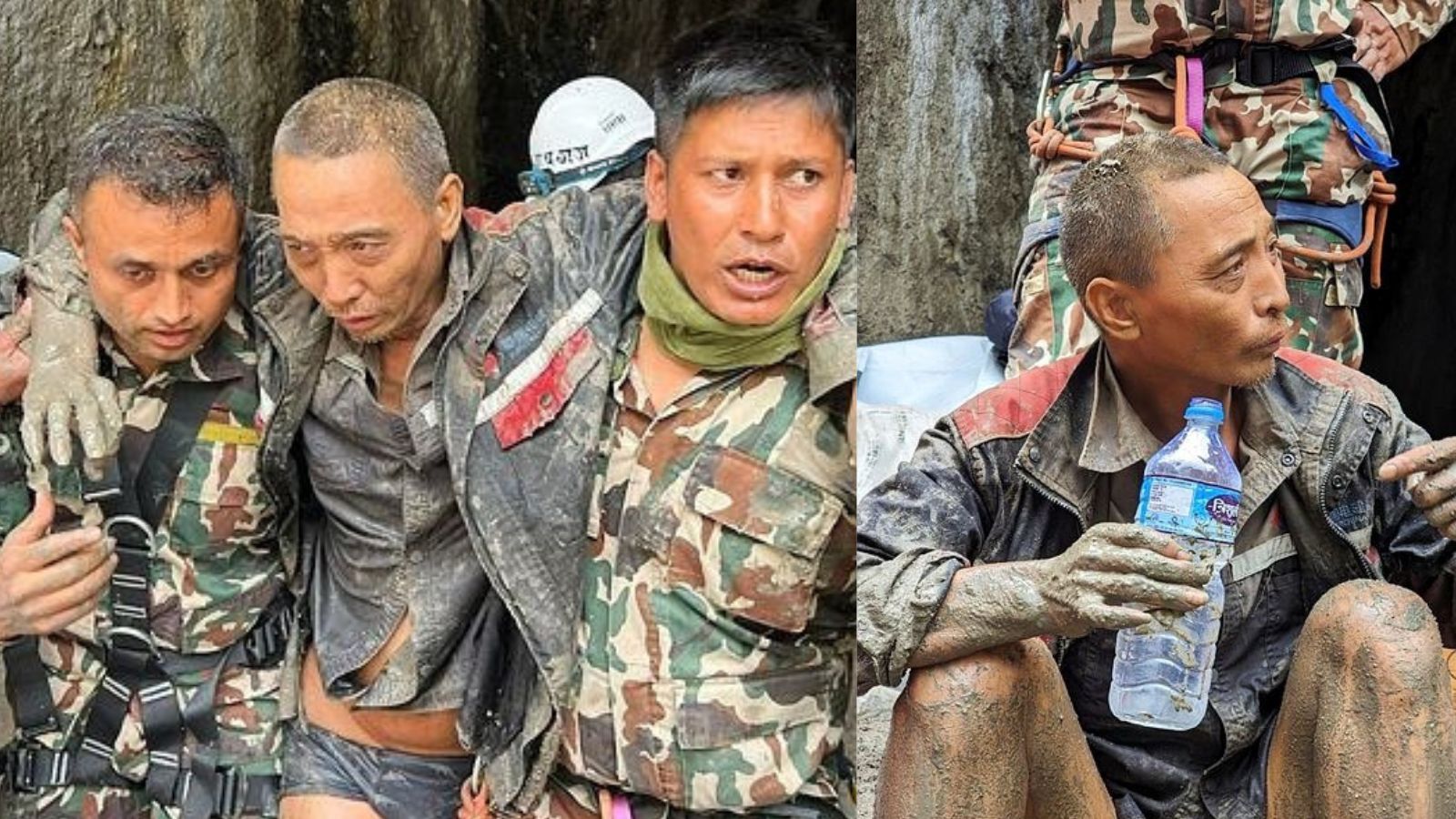
Local residents rushed toward the shattered home of Ali Mallahi, the fisherman hosting the gathering, to dig through the wreckage. What they found defied comprehension.
Sasan Zarei, a 34-year-old local vendor who arrived to help search the debris, described scenes that left emergency responders shaken to their core. Most of the wounded pulled from the wreckage were young children. Zarei recounted seeing small shoes littered everywhere alongside structural beams and roof tiles, noting that one child suffered catastrophic injuries, with their lungs torn out by the force of the blast. For another perspective on this story, check out the latest update from Reuters.
Another local resident, Suleiman Zakiri Fard, recalled the immediate moments after the impact. Smoke choked the air. People stumbled out of the ruins covered in blood, screaming for help. According to accounts from witnesses and regional reports, the strikes hit the residential yard shortly after a separate missile targeted a nearby telecommunications tower roughly 100 meters away.
Conflicting Claims and Weapon Identification
The strike quickly ignited international scrutiny and a fierce debate over accountability. Iranian authorities forcefully condemned the bombing, categorizing it as a direct and intentional assault on civilians. Officials from the region's judiciary pointed to debris recovered at the site, claiming the fragments belonged unmistakably to American military hardware.
Independent open-source analysis added weight to those claims. Weapons experts and news organizations, including Reuters and the Associated Press, reviewed verified images, video footage, and missile fragments from the scene. Several military experts concluded that the destruction matched a direct hit from a US-made munition, such as a cruise missile, rather than an errant domestic air-defense interceptor.
Washington responded with caution while facing mounting pressure. United States Vice President JD Vance addressed reporters, stating that the administration was looking into the incident fully. While maintaining that the military does not intentionally target civilians during combat operations, Vance acknowledged that tragic errors occasionally occur. US Central Command spokespersons also noted that military officials were reviewing reports of the civilian casualties.
The Wider Conflict Driving Local Tragedies
This localized disaster didn't happen in a vacuum. It arrived amid a sharp military escalation between Washington and Tehran. The US military's Central Command had launched a renewed wave of airstrikes targeting Iranian infrastructure, including radar installations, air-defense networks, and maritime assets near the Strait of Hormuz.
The Pentagon stated these operations were designed to counter threats to commercial shipping lanes and American personnel stationed in the region. In response, regional proxies and military branches launched retaliatory drone and missile barrages toward allied bases.
Yet, for the families living in small coastal settlements like Kuhestak, high-level strategic justifications offer little comfort. A community gathering meant to honor family and new beginnings was reduced to concrete dust and mourning. As investigations crawl forward and diplomatic tensions remain high, survivors are left picking through the fragments of a war fought over geopolitical flashpoints far beyond their shores.