The US Treasury department just pulled off a quiet bureaucratic maneuver that sent ripples through global energy markets. By letting a key sanctions waiver on Russian seaborne oil expire at midnight on Wednesday, the Trump administration signaled a major shift in geopolitical leverage. This is the third time the temporary waiver has lapsed, but this time feels different. Markets are moving fast.
If you are trying to understand why oil prices are tumbling despite Washington tightening the screws on Moscow, you have to look at the bigger picture. This is not just about punishing Russia. It is a direct result of a massive diplomatic breakthrough in the Middle East that nobody saw coming a few months ago. Learn more on a connected subject: this related article.
The Strait of Hormuz Factor
To understand why Washington let this waiver die, you have to look at what just happened between the US and Iran. A newly signed memorandum of understanding between Washington and Tehran is aiming to end their recent military conflict. That war effectively choked off the Strait of Hormuz, a narrow vital choke point where roughly 20% of the world's oil and gas passes daily.
When the strait was blocked, global oil prices went through the roof. International Energy Agency head Fatih Birol called it the biggest disruption to global energy markets in history. To keep vulnerable economies from collapsing under insane fuel costs, the Trump administration swallowed a bitter pill. They issued emergency 30-day waivers starting in March to let Russian seaborne crude flow to buyers who desperately needed it. More reporting by Business Insider highlights comparable views on the subject.
Now, the Middle East is opening back up. Middle Eastern oil is returning to global markets, and Tehran can legally sell its crude immediately after a formal signing ceremony scheduled for later this week.
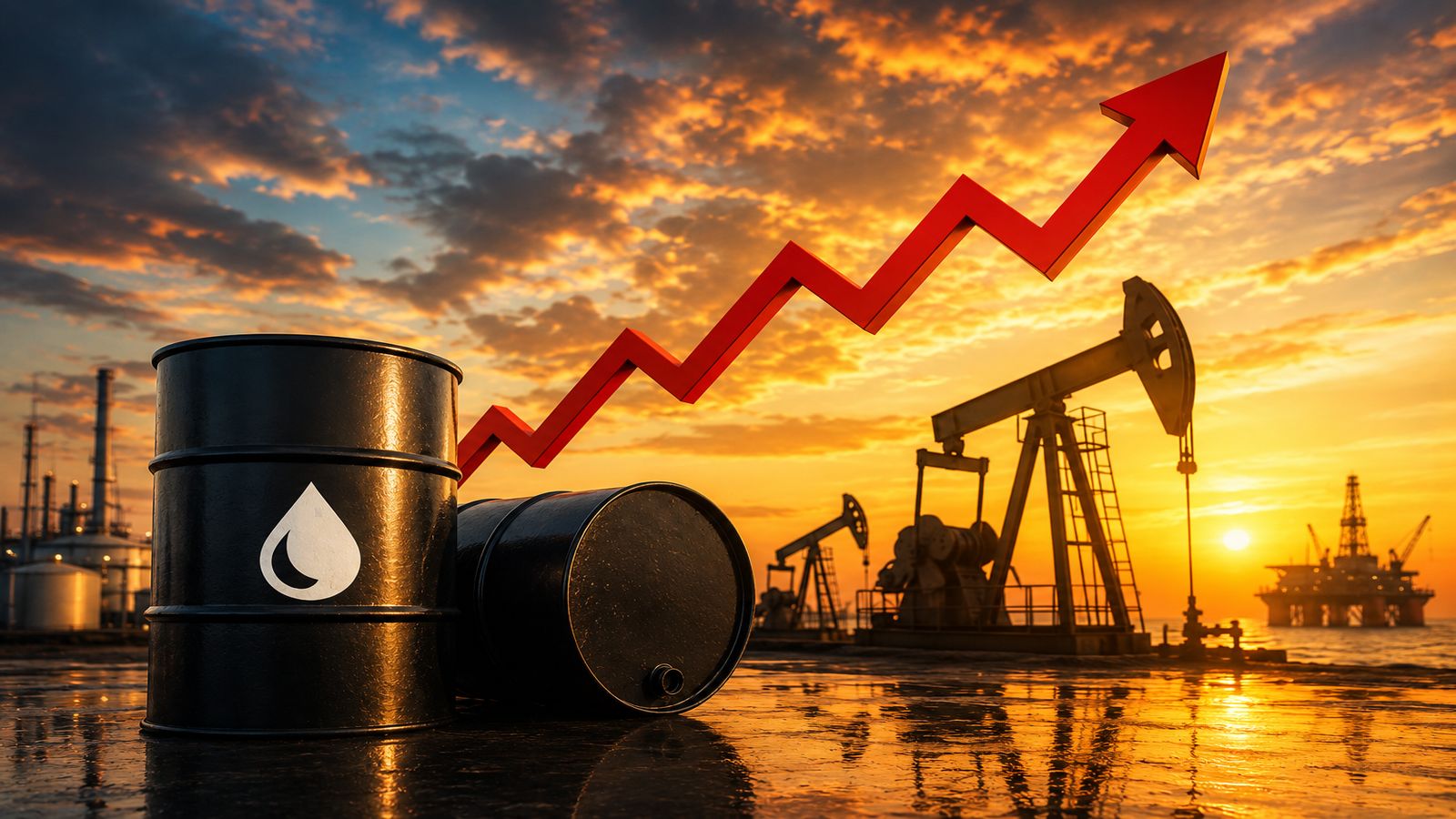
Because of that looming supply surge, crude prices are crashing. Russia’s benchmark Urals crude, which peaked near $120 a barrel during the height of the crisis, has cratered below $65 a barrel. President Trump made the strategy clear while speaking to reporters at the G7 summit in France, noting that the administration let the license lapse because regional supply is recovering. Soon, the US will be in a position to clamp back down on Moscow without hurting American consumers at the pump.
What This Means for Global Refiners
The immediate fallout hits countries like India hardest. Since the Ukraine war started in 2022, New Delhi aggressively snapped up heavily discounted Russian crude. At its peak, Russian oil made up about 40% of India's total crude imports.
When the US slapped tough sanctions on Russian energy giants Rosneft and Lukoil late last year, those numbers began to slide. February saw Indian imports of Russian oil hit their lowest levels in years. This temporary waiver was a financial lifeline for Asian refiners, making seaborne Russian oil economically viable and legally safe to transport.
Now that the Treasury’s Office of Foreign Assets Control has stayed silent on an extension, refiners are facing immediate logistical headaches. Tankers already at sea or contracts currently being negotiated face sudden legal uncertainty.
The Reorientation of Global Energy Flows
Don't expect an immediate energy crisis in Asia, though. Sophisticated buyers have spent months preparing for this exact scenario.
If you are running an oil procurement strategy right now, you aren't panicking. You are diversifying. India, for instance, now buys crude from around 40 different countries. They are already leaning on increased volumes from Venezuela and steady supplies from the UAE.
Furthermore, not all Russian oil is blocked. The specific US sanctions target major entities like Rosneft and Lukoil. Non-sanctioned, independent Russian crude streams will still find backdoor routes into Asian markets, even if the legal paperwork is a nightmare.
The biggest cushion against this waiver expiration is the reality that it takes time for supply lines to shift. While Iran can technically sell oil immediately, experts know it takes months to bring infrastructure back to pre-war maximum capacities. Washington knows this too. In the past, the US Treasury has allowed these general licenses to expire, watched the market reaction, and then quietly issued a short-term renewal or specific refinery exemptions a few days later.
Your Next Strategic Moves
If you are exposed to energy market volatility, stop watching the headlines out of Washington and start watching the shipping lanes. The quiet expiration of this waiver tells us that the US government believes global supply is safe enough to resume its economic squeeze on Moscow.
To insulate your business or investments from the next regulatory pivot, prioritize these three steps.
- Audit your supply chain origins: Track the exact corporate entities handling your energy inputs. Ensure none interface directly with blacklisted firms like Rosneft or Lukoil.
- Secure alternative options: Lock in alternative supply arrangements from West Asian or South American producers before the full implementation of re-imposed sanctions drives up competition for non-Russian barrels.
- Monitor the Urals-Brent spread: Watch how far Russian Urals crude drops below global benchmarks. If the discount widens significantly past the current $65 range, the financial incentive for grey-market compliance will shift rapidly.