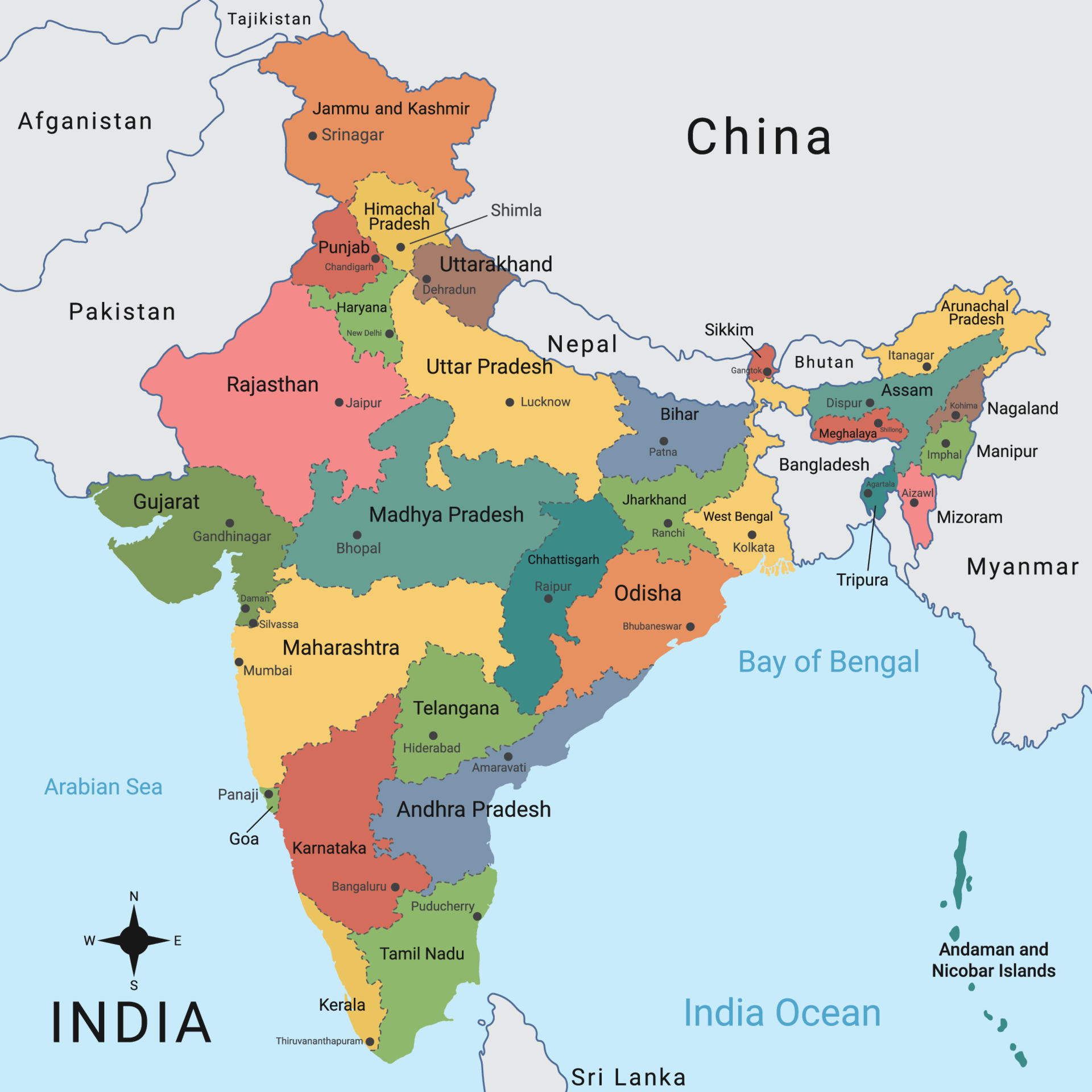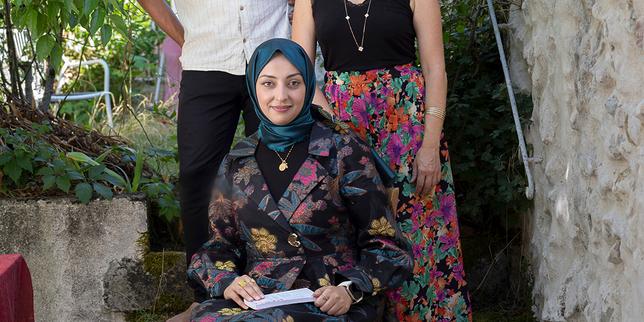
The Drôme department in southeastern France is known for its lavender fields, limestone cliffs, and quiet agricultural rhythms. It is an unlikely theater for international diplomacy and emergency humanitarian intervention. Yet, deep inside this rural French enclave, a quiet rescue operation unfolded to extract a Gazan poet from active conflict. This operation highlights the intricate, often invisible networks required to pull intellectuals from active combat zones when official channels stall or move too slowly.
The poet, whose name and specific evacuation route remain guarded by local advocates and humanitarian organizations to protect contacts still in the Middle East, arrived in the Drôme after months of bureaucratic friction and escalating danger. Her escape is not merely a human interest story about a lucky survivor. It serves as a stark case study in the mechanics of modern cultural asylum. When geopolitical borders harden and embassies shutter, the burden of rescue often falls on decentralized coalitions of local mayors, trade unions, literary societies, and ordinary citizens willing to exploit legal gray areas.
The Anatomy of an Emergency Extraction
Getting a civilian out of Gaza during active military operations requires navigating a maze of checkpoints, closed borders, and labyrinthine visa protocols. Official French diplomatic efforts, while substantial on paper, are frequently bogged down by administrative inertia. In the Drôme, local solidarity groups bypassed standard waiting periods by leveraging decentralized municipal networks.
Town halls in rural France possess a surprising degree of administrative autonomy when issuing residence certificates and sponsoring foreign nationals for emergency visas. Activists utilized these municipal powers to create an immediate paper trail. They established a formal receiving structure before the paperwork was even fully approved in Paris.
This bottom-up approach exposes a profound shift in how sanctuary is granted. National governments move with heavy, cautious deliberation, weighing diplomatic fallout and security risks. Local communities, conversely, operate with a sense of urgent moral imperative. By the time national immigration services processed the final entry permits, the regional infrastructure in the Drôme—housing, language tutors, psychological support, and stipend coordination—was already fully assembled.
Cultural Preservation as Resistance
Authoritarian regimes and occupying forces have long recognized poets and writers as primary threats. Words carry weight that military hardware cannot easily neutralize. In the context of the current conflict in Gaza, the decimation of cultural infrastructure—universities, printing presses, theaters, and archives—represents an attempt to erase the collective memory of a population.
Rescuing a poet from this environment is an act of preserving a historical record. When a writer is pulled from a conflict zone, the rescue saves more than a single human life. It protects an archive of lived experiences that would otherwise be lost to rubble.
Local cultural councils in the Drôme understood this dynamic. They did not view the arrival of an exiled writer as a simple act of charity. They framed it as an acquisition of living history. The poet's presence challenges the sanitized, distant reporting consumed by European publics. It brings the reality of the front lines directly into European town squares, forcing a confrontation with the human cost of geopolitical stalemates.
The Bureaucratic Gauntlet of Asylum
The transition from a war zone to a peaceful French village is not a fairy tale ending. It marks the beginning of a punishing administrative gauntlet. Upon arrival, evacuees face a system designed for mass processing rather than individualized trauma recovery.
French immigration law draws clear distinctions between political refugees, economic migrants, and emergency evacuees. Writers fleeing active war zones often fall into legal purgatory. Their papers may list them as temporary visitors while their home institutions have completely ceased to exist. This creates a nightmare of renewals, work restrictions, and healthcare access limitations.
In the Drôme, volunteers had to act as legal buffers. They spent weeks translating documents, arguing with prefecture clerks, and securing emergency medical care for chronic conditions exacerbated by months of bombardment and deprivation. The resilience required to survive a siege is frequently tested anew by the cold indifference of European administrative desks.
The Cost of Silence
The successful extraction of a single poet from Gaza is a triumph for the individuals involved, but it underscores a darker reality. For every writer who finds sanctuary in a French village, thousands of others remain trapped, voiceless, and vulnerable.
Larger international literary organizations have faced fierce criticism for moving too slowly, issuing hollow statements of solidarity while failing to fund active extractions. Bureaucratic caution often masks a deeper political cowardice. Governments fear accusations of partiality or the domestic backlash of increasing refugee quotas, even on a micro-scale.
The operation in the Drôme proves that individual agency still matters. It demonstrates that determined groups of citizens can puncture the walls of international indifference if they are willing to assume the financial and logistical risks.
The poet now walks among the walnut groves and stone houses of the Drôme, learning French and attempting to write again against the backdrop of unimaginable loss. Her survival is a testament to human solidarity. Yet it remains an indictment of a global system that makes the preservation of human life and culture dependent on geographic luck and the tenacity of strangers.