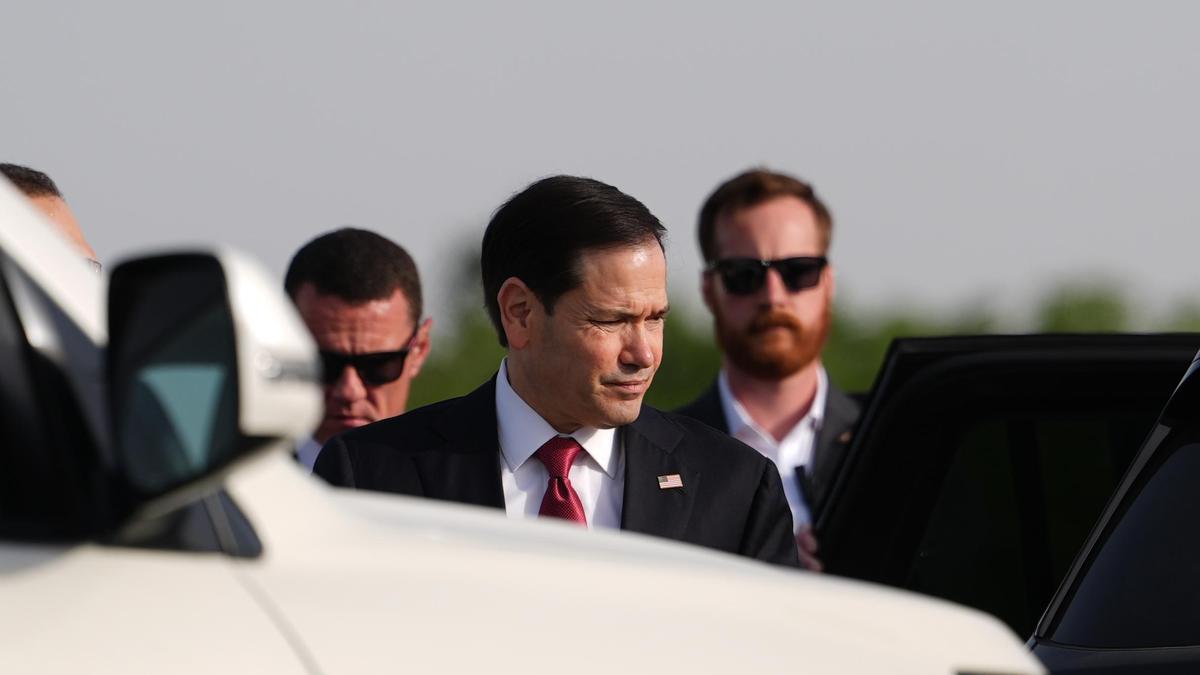
Mainstream media is hooked on a dangerously naive script. The current headline circulating from Washington to New Delhi sounds comforting: Secretary of State Marco Rubio claims a deal with Iran is still possible within days, dismissing fresh U.S. strikes in southern Iran as mere background noise. The talking heads want you to believe that the U.S. Central Command can blow up naval targets near Bandar Abbas at midnight, while diplomats in Doha simultaneously hammer out a durable peace treaty over tea.
This is a profound misunderstanding of how asymmetric leverage works.
The media treats military strikes and diplomatic breakthroughs as polar opposites—an escalation that threatens a "fragile ceasefire." In reality, the bombs dropping in the Persian Gulf are not a sign that the peace talks are failing. They are the exact mechanism by which the deal is being written. The "lazy consensus" views peace as the absence of violence. In the brutal theater of Middle Eastern geopolitics, peace is the precise calibration of violence.
I have watched administrations dump billions of dollars and years of diplomatic capital into the illusion that you can separate kinetic military action from diplomatic negotiation. You cannot. To believe that a few U.S. strikes on mine-laying boats "cast doubt" on a deal is to misread the entire playbook of the Trump administration’s foreign policy.
The Illusion of the Fragile Ceasefire
Let’s dismantle the premise of the questions being asked by international reporters. Media outlets keep pressing Rubio on how a deal remains possible when CENTCOM is actively hitting Iranian missile sites. They are asking the wrong question. They should be asking: How could a deal be reached without these strikes?
When Rubio stands on a tarmac in Jaipur and dictates that the Strait of Hormuz will open "one way or the other," he isn't issuing an ultimatum that threatens a deal. He is setting the price tag.
Consider the mechanics of the current standoff:
- The Blockade: Iran choked off the Strait of Hormuz, dropping transit from 130 ships a day to a mere trickle.
- The Economic Shock: Oil prices surged, global shipping insurance premiums went vertical, and central banks from Colombo to London scrambled to hike rates to fight imported inflation.
- The Diplomatic Theater: Iranian Foreign Minister negotiators land in Doha pretending they hold a royal flush because they can wreck global energy markets.
If the United States does not strike Iranian assets while negotiating, Washington effectively concedes that Iran's blockade is a legitimate leverage point. The strikes on Monday night were not an escalation; they were a market correction. By erasing Iranian mine-laying vessels and missile batteries while talks are active, the U.S. is forcefully resetting the baseline. The message is blunt: Your blockade is an artificial leverage point because we can delete it at will.
Imagine a scenario where a commercial landlord is negotiating a lease renewal with a tenant who has barricaded the building's lobby. The landlord doesn't wait for the negotiation to finish to clear the lobby; they clear the doors so the meeting upstairs can happen on equitable terms.
Deconstructing the Doha Haggling
The conventional analysis says the hang-up in Qatar is about "specific language in the initial document." Rubio fed the press this line, and the press swallowed it whole.
It isn't about specific language. It is about a fundamental mismatch in what both sides consider a "good deal."
+-----------------------------------+-----------------------------------+
| What the U.S. Demands             | What Iran Demands                 |
+-----------------------------------+-----------------------------------+
| Immediate, unconditional opening   | Retaining "service fees" and      |
| of the Strait of Hormuz.          | environmental tolls under Oman.   |
+-----------------------------------+-----------------------------------+
| Strict, time-limited caps on      | Deferred negotiations on uranium  |
| highly enriched uranium.          | stockpiles until later phases.    |
+-----------------------------------+-----------------------------------+
| Zero baseline concessions on      | Immediate release of billions in  |
| regional proxy architecture.       | frozen central bank assets.       |
+-----------------------------------+-----------------------------------+
The Iranian regime is attempting a classic bait-and-switch. Their foreign ministry spokesperson, Esmaeil Baghaei, openly admitted their strategy: settle a framework accord first, and kick the nuclear issue down the road. They want the sanctions relief and the asset liquefication today in exchange for a promise to talk about uranium tomorrow.
This is where the administration's "great deal or no deal" posture faces its real test. The conventional diplomatic core is terrified of a "no deal" outcome because they view a total breakdown as a fast track to regional war. But they miss the structural reality: a bad deal that validates a blockade as a tool to extract financial concessions guarantees a permanent state of extortion.
Why the Market is Mispricing This Conflict
If you are managing global supply chains or trading energy commodities, relying on mainstream geopolitical reporting right now is a liabilities trap. The market has priced in a binary outcome: either Rubio announces a deal and oil plummets, or the talks collapse and oil explodes to the moon.
Both assumptions are flawed.
Even if a deal is signed within forty-eight hours, the Strait of Hormuz will not magically return to normal. Diplomatic cables already leak plans of a staggered 30-day window before shipping lanes fully reopen. Furthermore, Iran’s insistence on charging "navigation and environmental protection fees" via bilateral protocols with Oman means the cost of doing business in the Gulf has structurally shifted upward. The old paradigm of unhindered, toll-free transit through the strait is dead, regardless of what document is signed in Doha.
The downside to this contrarian view is obvious: it demands a tolerance for prolonged volatility. It means accepting that shipping routes will remain disrupted and inflation sticky for longer than the consensus estimates suggest. But pretending a piece of paper signed under duress will instantly restore 2025 shipping volumes is wishful thinking.
Stop looking at the calendars provided by the State Department. Stop expecting a clean announcement that settles the West Asia conflict by Friday. The strikes in southern Iran are the real ink being used to sign this agreement. If Washington stops hitting the boats, that is when you should actually worry—because it means the U.S. has accepted Iran's terms.