Stop looking at SpaceX as just a rocket company. If you think the massive Wall Street debut on Friday was only about funding Mars voyages or launching Starlink internet satellites, you missed the real story.
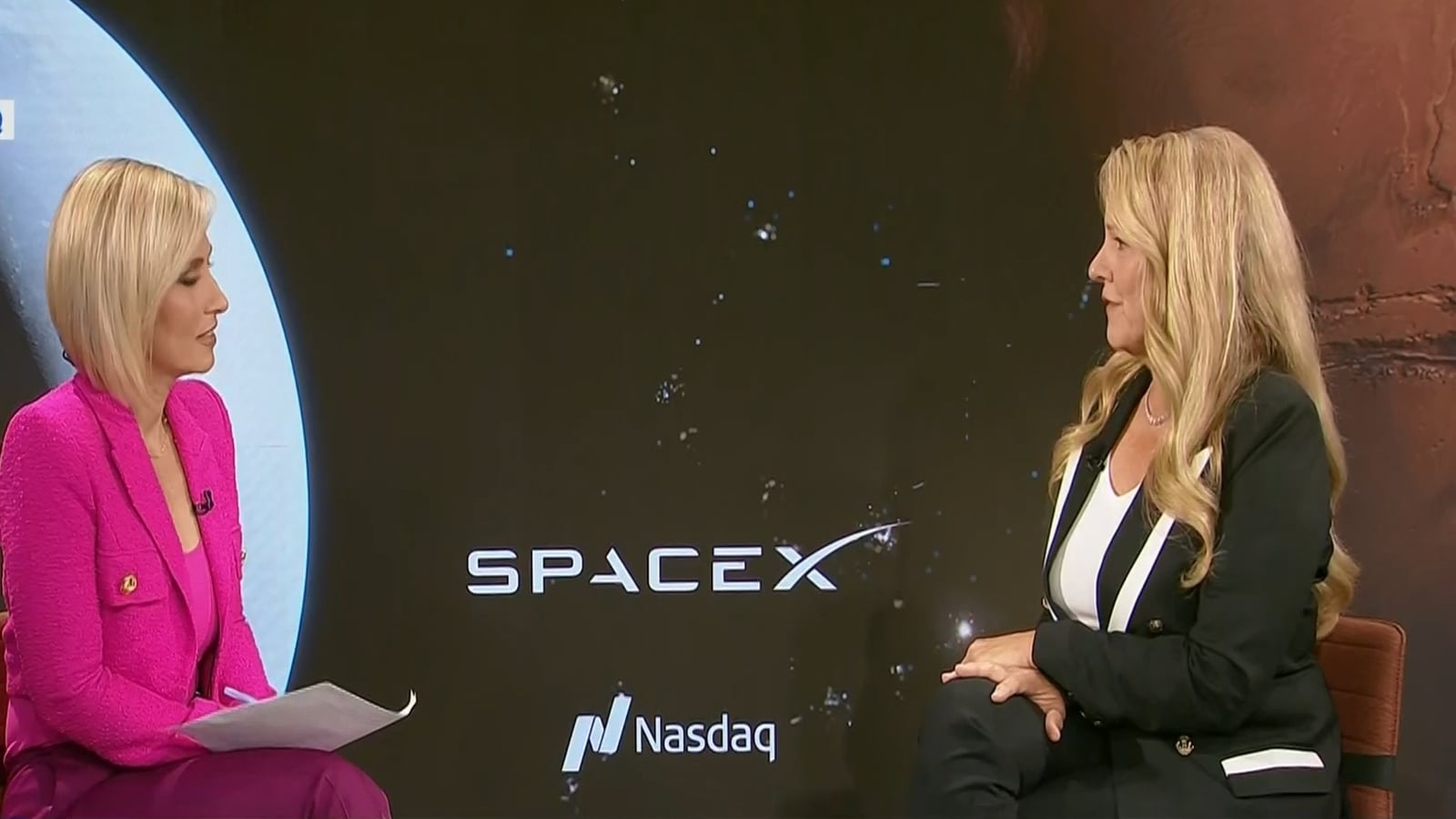
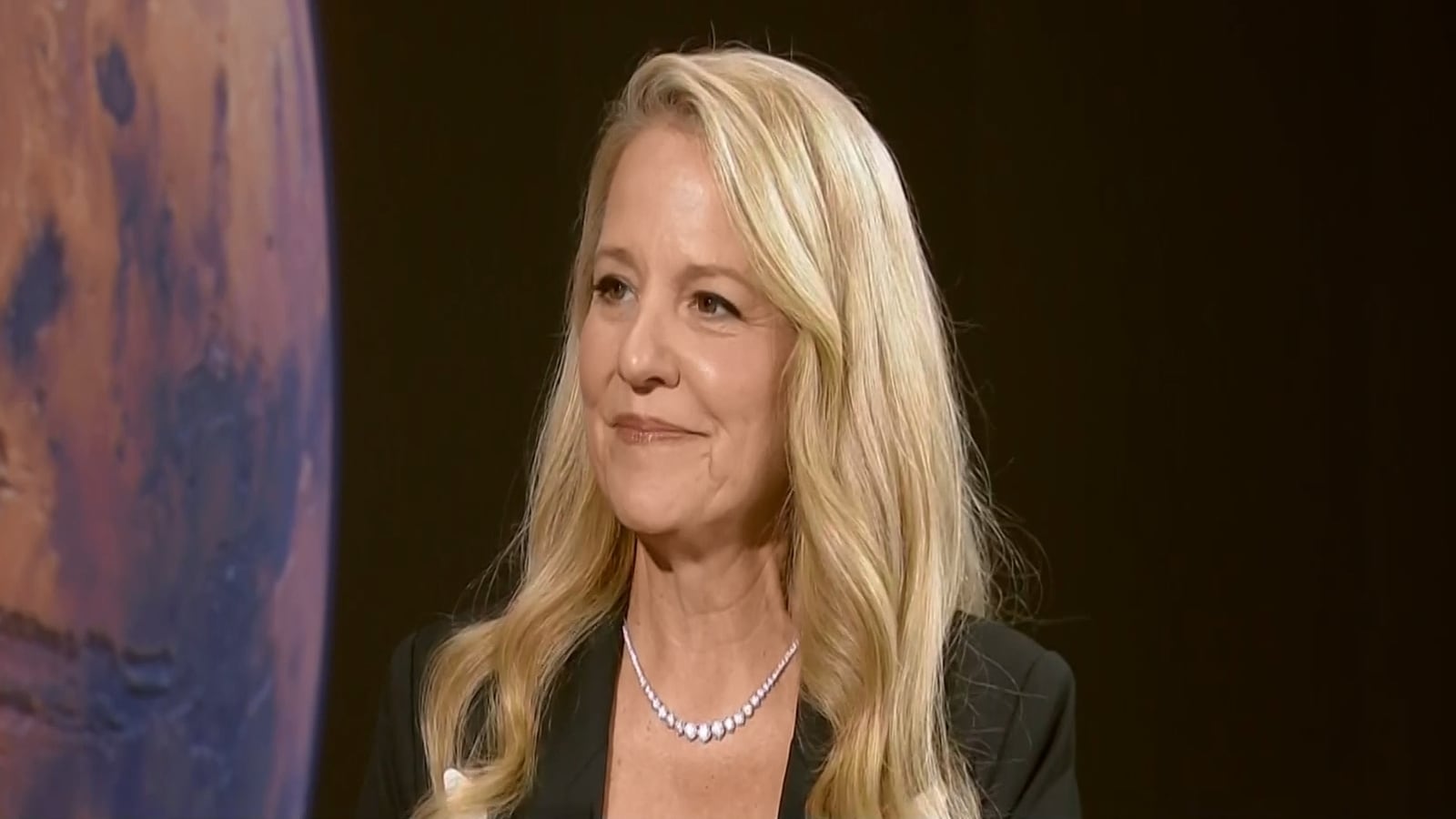
During the whirlwind of investor meetings surrounding the historic listing, SpaceX President and COO Gwynne Shotwell made a statement that shifts how we view the company. She explicitly stated that SpaceX sees itself as an infrastructure company. Rockets and launch pads are just the baseline. The real play? Building data centers on the ground and directly in orbit.
With the absorption of xAI earlier this year, SpaceX is positioned as an emerging powerhouse in artificial intelligence. The market is starting to realize that space isn't just a destination anymore. It's the next layer of the global tech stack.
Shifting from Launches to Orbital Cloud Infrastructure
Most people assume space technology starts and ends with transportation. You build a rocket, you put a payload in it, and you drop it off. Shotwell's comments turn that thesis upside down. SpaceX doesn't want to just be the delivery truck; they want to own the highway, the rest stops, and the digital systems running alongside them.
This isn't a vague, distant plan. SpaceX updated its roadmap, moving its orbital AI computing infrastructure demonstrations forward to late 2027. They're already working on a specialized satellite codenamed AI1. This isn't your standard communication node. The AI1 spacecraft is designed with massive solar arrays sporting a 70-meter wingspan, engineered to handle a continuous 120-kilowatt computing load.
By building data centers in orbit, the company aims to bypass the terrestrial bottlenecks slowing down the AI boom.
The Terrestrial Power Crisis Driving AI Into Space
Why build a data center in the freezing vacuum of space? Look at what's happening on Earth. Terrestrial data centers are eating up power grids at an unsustainable rate. Finding enough electricity to keep millions of AI chips running is becoming a nightmare for tech giants.
Elon Musk highlighted this challenge during an investor pitch, pointing out that building power plants on the ground faces severe regulatory and public resistance. Nobody wants a massive nuclear or coal plant in their backyard. Space offers an endless supply of solar energy without the local pushback.
Terrestrial facilities also require staggering amounts of water and energy just to keep the silicon from melting. In low Earth orbit, thermal management presents different engineering hurdles, but you don't lack space, and you don't have to fight local utilities for gigawatts of power.
Starship Is the Secret Bottleneck
Don't let the hype blind you to the massive execution risks. Deploying up to 1 million planned AI satellites requires an unprecedented amount of mass sent to orbit. The entire strategy rests heavily on the success of the Starship program.
SpaceX Orbital Computing Roadmap:
- Late 2027: Initial AI1 demonstration launches (120kW load per satellite)
- Target Capacity: 1 gigawatt of orbital AI compute deployed annually
- Scaling Goal: 10x capacity increase per year post-2027
- Long-term Vision: 1 million LEO AI satellites integrated with xAI and Grok
Falcon 9 won't cut it for this scale. Each Starship launch offers more than 20 times the payload capacity of a Falcon 9, making it the only vehicle capable of carrying the heavy solar panels, large radiators, and dense chip architectures needed for orbital servers.
Right now, Starship's development isn't moving as fast as the aggressive timelines demand. It hasn't achieved the routine, rapid reusability required to make throwing data centers into orbit financially viable. If Starship experiences prolonged deployment delays, the orbital cloud narrative could stumble.
What This Means for Tech Investors
If you managed to grab shares during the public offering, you aren't just holding a stake in a aerospace manufacturer. You're holding a piece of a business aiming to compete with traditional cloud providers. Shotwell confirmed that SpaceX considers itself in the same category as Neocloud companies, especially given recent partnerships with Alphabet and Anthropic.
The Total Addressable Market outlined in the company's prospectus sits at a wild $28.5 trillion. Shotwell clarified that AI compute alone doesn't reach that number. The real scale happens when you link orbital AI with terrestrial robotics and global autonomous vehicle fleets. They all need massive compute pipelines, and SpaceX wants to own the underlying infrastructure.
The immediate next step is watching the Starlink user acquisition data and the upcoming Starship orbital test flights. Don't look at the launch cadences as mere spectacles. Track them as the physical deployment of a new global computing network. Keep a close eye on the late 2027 technical verification phase of the AI1 satellite. That launch will tell us if space-based AI is a practical business model or just an incredibly expensive experiment.