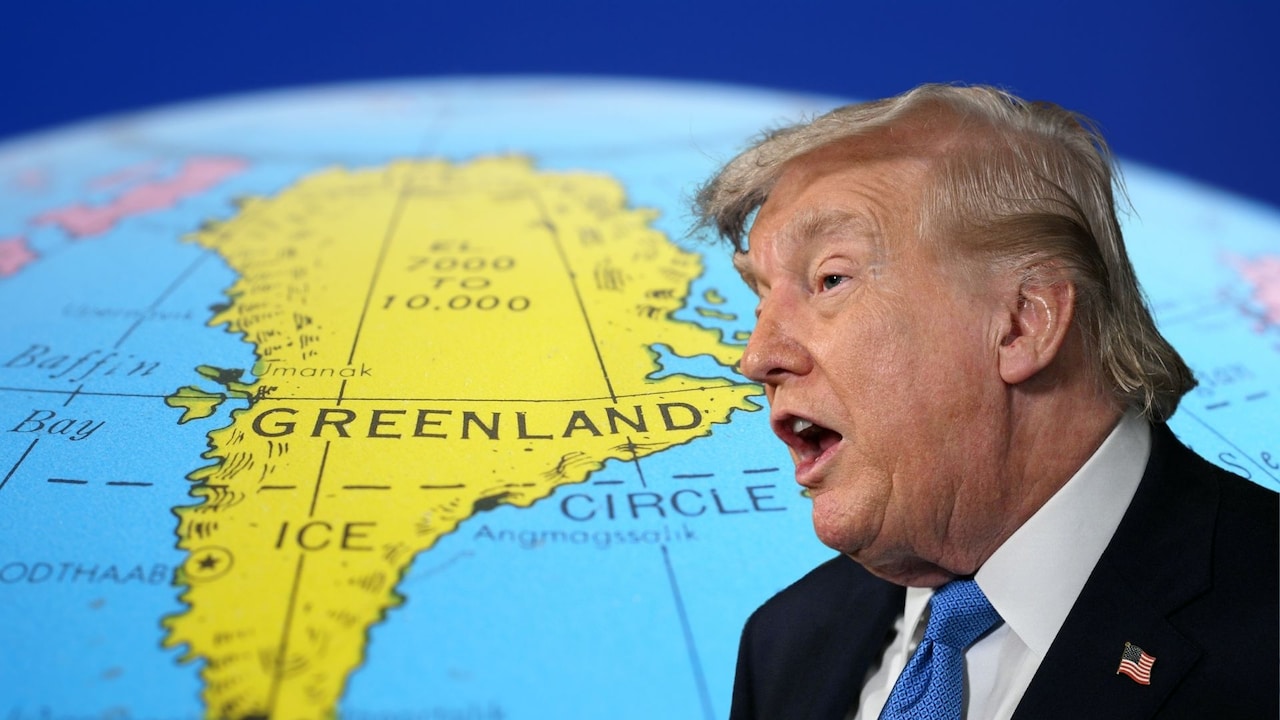
Donald Trump just posted on Truth Social that massive oil, gas, and mineral exploration is gearing up in "our new and beautiful Greenland". Headlines exploded. Pundits panicked. But beneath the geopolitical chest-thumping and the internet noise, reality is far more complicated. If you look past the social media post, you find a tangled web of local politics, expensive extraction logistics, and strict moratoriums.
Let's break down what's actually happening in the Arctic right now, why everyone is talking about Greenland's subterranean wealth, and why physical barrels of oil aren't going to flood global markets anytime soon.
The Real Story Behind the Trilateral Security Deal
To understand Trump's push for resource extraction, you have to look at the trilateral security agreement signed in New York. Back in September, representatives from the United States, Denmark, and Greenland inked a deal that locked down U.S. military rights at the Pituffik Space Base and carved out new defense zones at Narsarsuaq and Mestersvig.
The agreement gives Washington strategic foresight and tracking capabilities in the Arctic. It blocks non-NATO nations from setting up military installations and restricts foreign investment to NATO and EU partners.
What the security pact doesn't do is hand over mineral rights or grant the U.S. free rein to start drilling wherever it wants. Greenland remains a self-governing territory of the Kingdom of Denmark. Local leaders retain authority over their own land and natural resources, regardless of what's posted online.
Why Greenland's Energy Reserves Draw So Much Attention
Energy markets have stayed volatile, and global powers are desperate to secure supply chains outside volatile regions. Greenland sits on massive, largely untouched deposits of rare earth minerals, oil, and natural gas.
Companies like Greenland Energy Company have eyed formations like the Jameson Land Basin in East Greenland, hoping to push exploratory wells forward. For private energy firms, the Arctic represents the last major frontier.
Yet, extracting these resources is an engineering nightmare. Sub-zero temperatures, shifting sea ice, remote locations, and a lack of infrastructure mean that projects take decades and billions of dollars before a single drop of oil reaches a refinery. It is not something you spin up overnight just because global oil prices spike.
The Local Roadblocks You Won't Hear About on TV
Local politics create the biggest hurdle for outside energy ambitions. In 2021, Greenland's government officially stopped issuing new oil and gas exploration licenses. Lawmakers pointed directly to environmental protection and the global climate crisis as reasons to pump the brakes on fossil fuels.
While permits granted before that 2021 moratorium remain legally valid, getting local buy-in for new heavy industry is tough. Greenlandic officials have repeatedly made it clear that their territory isn't a blank canvas for foreign superpowers to draw on at will. Respecting local sovereignty matters, and dismissing it creates immediate friction in Nuuk.
If you're tracking energy trends, keep your eyes on regulatory filings rather than social media announcements. Watch how existing permit holders navigate environmental reviews and whether local elections shift the political winds regarding future resource development. The Arctic resource race is real, but it moves at the speed of glacial ice.