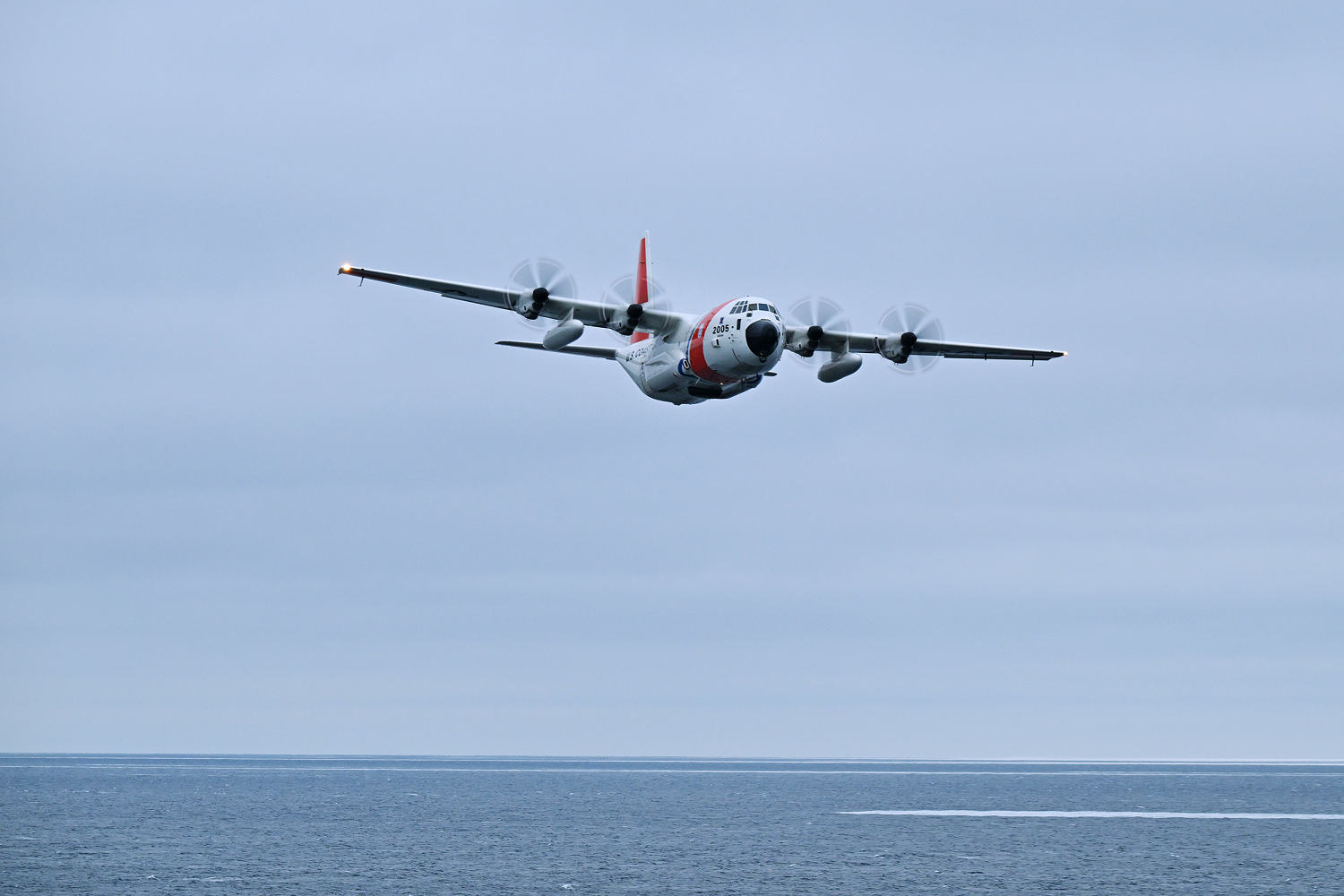
The headlines after a disaster always demand a villain or a miracle. When a skiff capsizes off the Alaskan coast, claiming two lives while a fifteen-year-old boy claws his way back from the abyss after days adrift in freezing water, the narrative writes itself. The mainstream press calls it a miraculous survival story. Coast Guard spokespeople nod solemnly, praising PFDs, emergency beacons, and the sheer resilience of youth.
They are selling you a comfortable fiction.
The lazy consensus in maritime survival reporting is that tragedy is a roll of the dice and survival is a lottery ticket won by divine intervention or pure luck. That mindset is dangerous, lazy, and fundamentally wrong. I have spent decades watching people die on cold water because they followed standard textbook safety protocols designed by bureaucrats who get seasick looking at a bathtub.
Survival at sea is not a lottery. It is a ruthless engineering and psychological problem. When a boat goes over in sub-arctic waters, the clock starts ticking at zero, and every conventional rule you learned in a classroom goes out the cabin window.
The Flawed Orthodoxy of Cold Water Survival
Look at the standard advisory issued after any maritime incident. Pack your life raft, pull the cord, sit tight, wait for the chopper. Trust the system.
That advice works wonderfully if you are floating in the Caribbean and rescue is ten minutes away. In Prince William Sound or the Gulf of Alaska, waiting for the system means you are already dead. Hypothermia does not negotiate. The standard manuals tell you to conserve energy, stay still, and maintain a positive mental attitude.
Absolute garbage.
When your core temperature plummets, staying still accelerates the shutdown of your extremities. The human body in forty-degree water is a failing machine. The fifteen-year-old kid who beat the odds did not survive because he sat quietly and thought positive thoughts. He survived because he moved, adapted, and engaged in active physiological defiance.
We need to stop praising miracles when we are actually witnessing the failure of modern maritime education. Every time we call a survival story a miracle, we let the safety industry off the hook for teaching useless methods.
The Brutal Physics of the Deep Freeze
Let us look at the mechanics of what actually happens when a hull turns turtle.
Hypothermia is an arithmetic problem. Water conducts heat away from the human body twenty-five times faster than air. If you fall into Alaskan waters without thermal protection, your functional time window isn't measured in hours. It is measured in minutes.
The mainstream narrative focuses on the gear: the flotation suit, the emergency position-indicating radio beacon, the flares. Gear matters, obviously. But gear without cold-water conditioning and acute situational awareness is just dead weight.
"Survival is an aggressive act of rejection against the environment. The moment you accept your fate, your metabolism cooperates with the cold."
Consider the physiological shock of immersion. The gasp reflex causes untrained individuals to inhale water instantly. Experienced operators train to override that reflex through sheer mental discipline. The boy in Alaska didn't just float; he managed the terrifying transition from a capsized vessel into a hostile element without drowning in the first ten seconds. That is not luck. That is cold-blooded execution under extreme duress.
Dismantling the Myth of Youthful Resilience
Commentators love to attribute these survivals to youth. "He was young, strong, and resilient," they say, as if cellular regeneration can substitute for hypothermia gear and baseline competence.
That is an excuse for bad preparation. Age has very little to do with surviving days on the water. Willpower, compartmentalization, and thermal management do. I have seen twenty-year-old athletes fold under pressure in fifty-degree water within twenty minutes because they panicked and burned through their glycogen stores thrashing around. Conversely, I have watched older commercial fishermen endure hours of exposure because they treated their bodies like mechanical systems that needed strict thermal management.
The media focuses on the age of the survivor because it makes for a better human-interest segment on the evening news. It distracts from the glaring truth: most recreational boaters go out onto dangerous water completely unequipped mentally for what happens when things go sideways.
Unconventional Rules for the Worst-Case Scenario
If you find yourself staring at a sinking hull in hostile seas, forget what you read in the pamphlet handed out at the marina. Here is how you actually stay alive when the stats say you should be food for the crabs.
- Abandon the ship before it traps you: The greatest killer in a capsize isn't the water; it's the entangled rigging and air pockets inside a sinking cabin. If the boat goes over, clear the hull immediately. Do not hesitate to save gear. Save your life first.
- Manage your panic like a budget: Panic is an expensive luxury. Every spike in your heart rate pumps warm blood away from your vital organs and out to your extremities, speeding up internal freezing. Treat every breath like a precious commodity.
- Ignore the stillness mandate: If you are on a raft or clinging to debris, micro-movements are necessary to prevent localized freezing in muscle groups, provided you do not sweat. Sweat equals moisture, and moisture is the enemy of insulation.
- Deconstruct the rescue timeline: Assume nobody is coming for you today. Coast Guard assets are stretched thin, weather grounds air support, and your emergency beacon might be obscured by a wave shadow. Plan to be entirely self-reliant for at least forty-eight hours.
The Real Lesson of the Alaskan Coast
We can romanticize the survival of a teenager against the elements all we want. It makes for great reading. But until we start treating maritime safety with the clinical, unsparing rigor of aviation or mountaineering, people will keep dying for stupid reasons.
The ocean does not care about your age, your experience, or your optimism. It is an indifferent, high-pressure machine designed to strip the heat from your bones.
Stop waiting for a miracle. Build systems that don't need one.


