The yellow school bus always arrives at 7:14 AM. You can set your watch by the hiss of its air brakes and the rhythmic thud of sneakers climbing those ribbed rubber steps. For parents standing at the end of gravel driveways across rural Virginia, that brief wave through a tinted window represents the single greatest act of blind faith in modern life.
We hand over our children. We assume the doors lock behind them, the background checks cleared before the ink dried on the employment contracts, and the adults walking the hallways were vetted by a system designed to keep predators out. You might also find this similar coverage useful: The National Book Award Visa Scandal Exposed Publishing’s Biggest Lie.
Then comes the morning when the bus doesn't come at all.
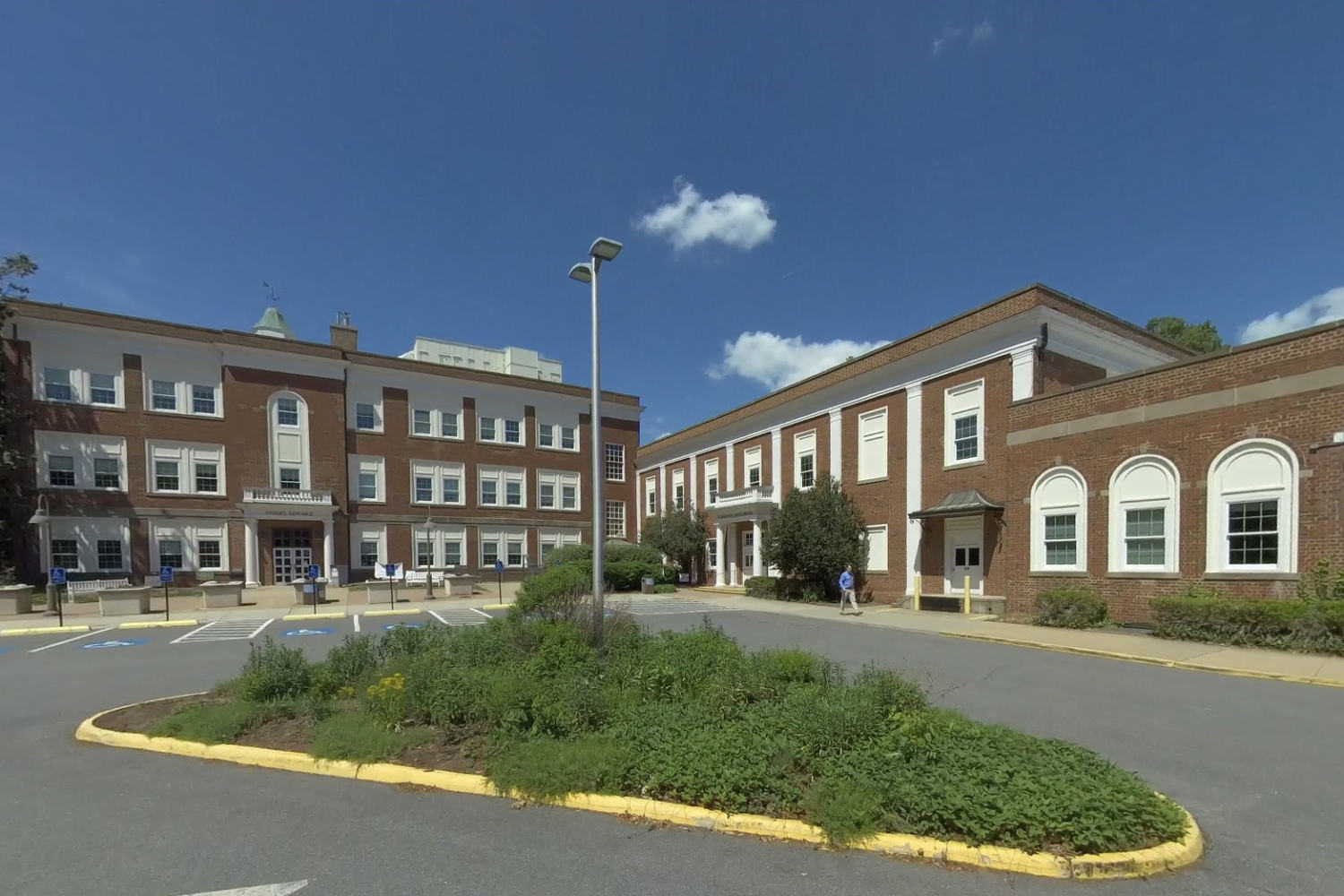
When a Virginia school district abruptly shuttered its doors after discovering that staff members had never been screened for child abuse and neglect, the headlines treated it like an administrative hiccup. A compliance failure. A bureaucratic oversight that forced an emergency closure while human resources scrambled to clear a backlog of paperwork. As extensively documented in latest coverage by NPR, the results are notable.
Paperwork. That is what we call it when the machinery fails.
The Architecture of Assumed Safety
To understand how an entire public school system grinds to a halt over missing forms, picture a hypothetical parent—let’s call her Sarah—standing in her kitchen at 6:30 AM, packing a thermos of lukewarm tomato soup into a blue lunchbox. Sarah works double shifts at a regional clinic. She doesn't have the luxury of auditing the Virginia Department of Social Services central registry herself. She relies on a quiet, unspoken contract between taxpayers and school boards.
That contract states that before any adult is handed a set of classroom keys, a cafeteria ladle, or a coaching whistle, two distinct filters must catch anyone with a history of harming children. The first is a criminal fingerprint check through state police and federal databases. The second—and the one that quietly unraveled in Virginia—is the Child Protective Services (CPS) central registry check.
Think of those two checks like a deadbolt and a window latch. A criminal background check only catches someone who has been arrested, prosecuted, and convicted in a court of law. It looks for felony convictions and formal guilty pleas. The CPS registry, by contrast, tracks substantiated administrative findings of abuse and neglect—cases where social workers investigated, found clear evidence that a child was harmed or endangered, and placed the perpetrator's name on a state watch list, even if criminal charges were never filed or were pleaded down in a crowded courtroom.
Lock the deadbolt and leave the window unlatched, and the house isn't secure. You have merely created the illusion of safety while leaving a glaring entry point wide open.
How the Blind Spot Widens
Nobody wakes up intending to skip safety protocols. Bureaucracies rarely collapse from a single catastrophic explosion; they erode through small, quiet compromises made under pressure.
In school districts across Virginia and throughout the country, hiring seasons have turned into frantic sprints. Bus driver shortages leave routes canceled. Special education aides resign mid-semester. Substitute teachers are pulled from thin applicant pools on a Tuesday afternoon to cover a Wednesday morning math class.
When a principal needs a warm body in a classroom before the first bell rings, administrative bottlenecks become convenient excuses. A clerk waiting on a state registry turnaround time—which can take anywhere from days to several weeks depending on staffing backlogs—faces mounting pressure from supervisors to clear the new hire. Put them on provisional status, someone says. The paperwork is in the mail. We'll follow up next month.
Except next month brings state testing, budget hearings, snow days, and another wave of resignations. The provisional file gets slipped into a manila folder at the bottom of a filing cabinet. One unscreened employee becomes five. Five becomes thirty. Over years of turnover, an invisible shadow workforce accumulates inside the building—adults interacting daily with vulnerable children without ever having passed the basic statutory threshold required by Virginia law.
I remember the first time I sat across from a school board administrator trying to explain a similar compliance gap during a regional audit years ago. The fluorescent lights hummed overhead while he spread spreadsheets across a scarred laminate table, pointing to columns of dates and initials with a trembling index finger. He wasn't a villain. He looked exhausted, gray-skinned, and terrified. He had spent twenty years trying to keep roofs from leaking and buses running on time, and somewhere along the way, the sheer volume of daily emergencies had convinced him that checking a box on a form was less urgent than covering a third-period study hall.
That is the seduction of administrative drift. Nothing bad happens on Tuesday. Nothing happens on Wednesday. The absence of immediate disaster tricks smart people into believing the guardrail wasn't necessary in the first place.
The Day the Doors Locked
When auditors or incoming administrators finally open those filing cabinets and discover the missing CPS registry checks, the panic is instantaneous and absolute.
You cannot quietly fix this while school is in session. Once a superintendent realizes that unvetted staff members are currently inside classrooms, hallways, and locker rooms, liability transforms from an abstract legal concept into an active emergency. Every minute those doors remain open, the district is knowingly operating in violation of state mandates designed to protect minors.
So the phones begin to ring at dawn. Automated robocalls wake up thousands of households. Text alerts flash across bedside tables. Due to unforeseen staffing and compliance reviews, all schools in the district are closed until further notice.
Panic.
That single word captures the shockwave that ripples through a community when the school system suddenly locks its gates. Parents who cannot afford unpaid leave scramble to find emergency childcare. Hourly workers lose wages they needed for Friday's groceries. Kids who rely on free and reduced-price breakfast and lunch programs stare at empty kitchen counters.
And beneath the immediate logistical chaos sits a much colder, heavier dread. Every parent begins replaying the last six months in their head. They think about the new aide who walked their kindergartener to the bathroom. They think about the volunteer coach who stayed late after practice. They wonder which faces in the school directory were the ones hiding inside those unreviewed files.
What the Registry Actually Catches
To grasp why shutting down an entire school system was the only responsible choice—no matter how painful the disruption—you have to understand what lives inside a state child abuse registry.
Critics of strict administrative clearances sometimes argue that fingerprint checks are enough. If someone hasn't been convicted of a crime, why hold up their employment?
Because child abuse rarely happens in front of witnesses, and criminal courts demand proof beyond a reasonable doubt. Prosecutors routinely decline to file criminal charges in cases involving young children who cannot reliably testify on a witness stand, or when physical evidence is ambiguous. In those moments, Child Protective Services steps in under a different legal standard—a preponderance of the evidence—to determine whether abuse or severe neglect occurred.
Consider a hypothetical scenario that plays out in family courts every week. A daycare worker is investigated after a toddler suffers unexplained bruising and severe dehydration while under her sole supervision. Prosecutors decide there isn't enough evidence to win a felony conviction before a jury, so no criminal record is ever created. However, CPS investigators substantiate the finding of physical neglect and place the worker's name on the state central registry.
Two years later, that same individual applies for a job as a cafeteria monitor or a special needs paraprofessional in a public school district twenty miles away. Her criminal fingerprint check comes back spotless. Clean as glass. If the school district fails to run the separate CPS registry screening, she walks straight through the front doors and is placed back in charge of children.
That is why Virginia law mandates both checks for every school board employee, contractor, and even certain volunteers who have direct contact with students. One filter looks for convicts; the other looks for documented patterns of harm that slipped past criminal prosecution.
The Invisible Cost of Cutting Corners
When a school district closes over unscreened staff, the immediate blame usually lands on an overworked human resources director or a distracted superintendent. Firing one person feels satisfying. It offers a clean scapegoat so everyone else can exhale and return to normal.
Firing someone doesn't fix a broken pipeline.
Across rural and suburban school districts, central office staffs have been stripped to the bone for decades. While administrative bloat is a popular political talking point, the reality inside many smaller districts is a single HR generalist managing onboarding, payroll, benefits, workers' compensation, and background clearances for hundreds of employees using outdated software and paper forms.
When state agencies themselves suffer from staffing shortages, CPS registry requests can sit in processing queues for weeks. Without automated digital integration between school hiring portals and state social services databases, compliance relies entirely on human memory—someone remembering to check a stack of pending applications before issuing an employee badge.
Human memory is a terrible security system.
Rebuilding Trust From the Ground Up
Once the doors lock and the emergency audit begins, fixing the failure requires brutal, unglamorous work. Every single employee file—from tenured teachers to part-time custodians and substitute bus drivers—has to be pulled, verified against state databases, and logged with timestamped proof of clearance. Anyone missing a completed CPS registry check must be immediately placed on administrative leave until the state returns a clean result.
If even one screening comes back flagged with a substantiated finding of abuse or neglect, the district faces termination proceedings, mandatory reporting to law enforcement, and notification to parents whose children had contact with that individual.
Yet even after the backlog clears, the stacks of folders are stamped, and the yellow buses finally roll back down those gravel driveways at 7:14 AM, something fragile has been broken.
The next morning, Sarah stands at the end of her driveway again, holding her child's hand as the bus approaches. The air brakes hiss. The folding doors swing open with a familiar mechanical groan. Her child climbs the ribbed rubber steps, turns to wave through the tinted glass, and disappears down the aisle.
Sarah waves back, forcing a smile she doesn't quite feel, wondering for the first time in her life whether anyone actually checked the locks before the doors swung shut.