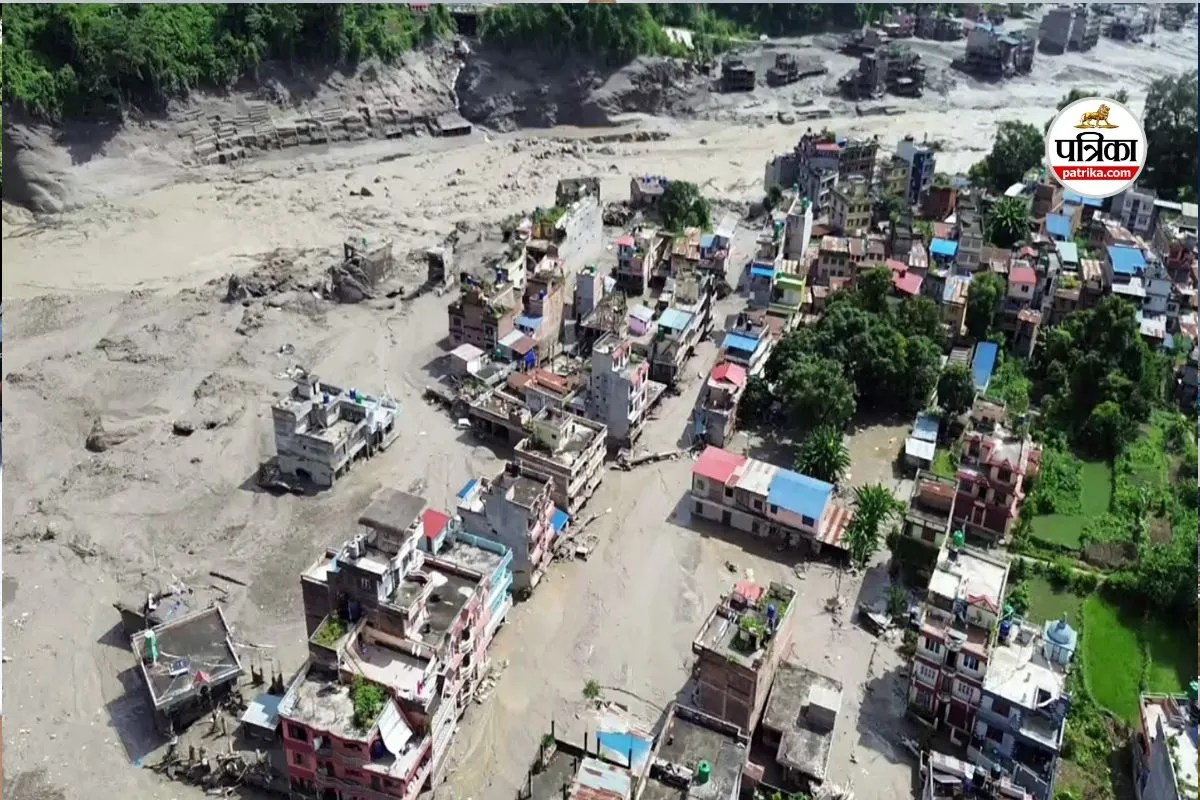
Every time a Himalayan flash flood tears through mountain valleys, a predictable script unfolds. Death tolls tick upward, hundreds of citizens vanish into the mud, and bureaucratic machinery springs into its favorite action item: publishing endless lists of helpline numbers.
Media outlets flash digits across screens like winning lottery numbers, pretending that printing a string of contact codes solves a structural crisis. It is a comforting illusion. When communication lines are severed and entire hamlets are wiped off the map by walls of water, a telephone hotline is about as useful as a paper umbrella in a hurricane. If you liked this piece, you should read: this related article.
Stop treating natural disasters as administrative inconveniences that can be solved with a call center.
The Fallacy of the Reactive Helpline
The lazy consensus in disaster reporting focuses entirely on the aftermath. We dissect the casualty counts, trace the nationality of missing tourists, and praise embassies for setting up round-the-clock control rooms. This approach masks a systemic failure in predictive warning systems and high-altitude infrastructure resilience. For another perspective on this development, refer to the recent coverage from Al Jazeera.
Consider the mechanics of the recent border-region catastrophes where hundreds remain unaccounted for. These are not random acts of angry gods; they are predictable consequences of fragile construction along volatile river basins combined with glacial lake outburst floods and seismic-triggered landslides. Yet, billions are poured into post-disaster rescue orchestration while pre-emptive evacuation technology remains primitive or non-existent in remote sectors.
I have watched agencies blow millions on redundant communication protocols after a crisis hits, while basic telemetry sensors along trans-boundary river channels stay unmaintained. Publishing a helpline number is a confession of unpreparedness wrapped in diplomatic boilerplate. It shifts the burden of survival back onto the stranded citizen and their frantic relatives thousands of miles away.
Dismantling Trans-Boundary Blind Spots
The geopolitical reality of the Himalayan ecosystem makes disaster management a bureaucratic nightmare. When flash floods originate across borders—such as the volatile upper reaches near the Tibet border cascading down into Nepal—early warning data sharing is sluggish.
Imagine a scenario where real-time hydrological data flows freely between upstream and downstream nations regardless of diplomatic friction, triggering automated siren grids hours before a wall of water hits human settlements. Under the current paradigm, we rely on manual spot-checks and delayed cross-border notifications. By the time the warning trickles down through official channels, the riverbanks are already empty because the people have been swept away.
The obsession with helplines ignores the physical reality on the ground. When roads are sheared away, bridges collapse, and power grids fail simultaneously, mobile towers go dark. A citizen holding a phone with zero signal cannot ping an embassy hotline.
What We Should Be Measuring Instead
If we want to stop writing the same obituary for regional infrastructure year after year, we need to completely redefine our metrics of success.
- Response Speed vs. Rescue Volume: Counting how many tons of relief supplies are flown in days later is a vanity metric. The only metric that matters is how many lives are evacuated before the river breaches its banks.
- Infrastructure Decentralization: Centralized hydro projects built right in narrow gorges act like ticking time bombs. Distributed micro-grids and elevated settlement planning are mandatory for survival in active tectonic zones.
- Autonomous Early Warnings: Removing human bureaucracy from disaster alerts. Sensors must talk directly to local automated public broadcast klaxons, bypassing the slow chain of command.
The next time disaster strikes and the first instinct of authorities is to broadcast a fresh batch of emergency numbers, recognize it for what it is. It is noise designed to drown out the silence of systemic neglect. Until we fix the architecture of early warning and stop relying on post-calamity hotline theater, the death tolls will keep rising, and no amount of dialing will bring anyone back.