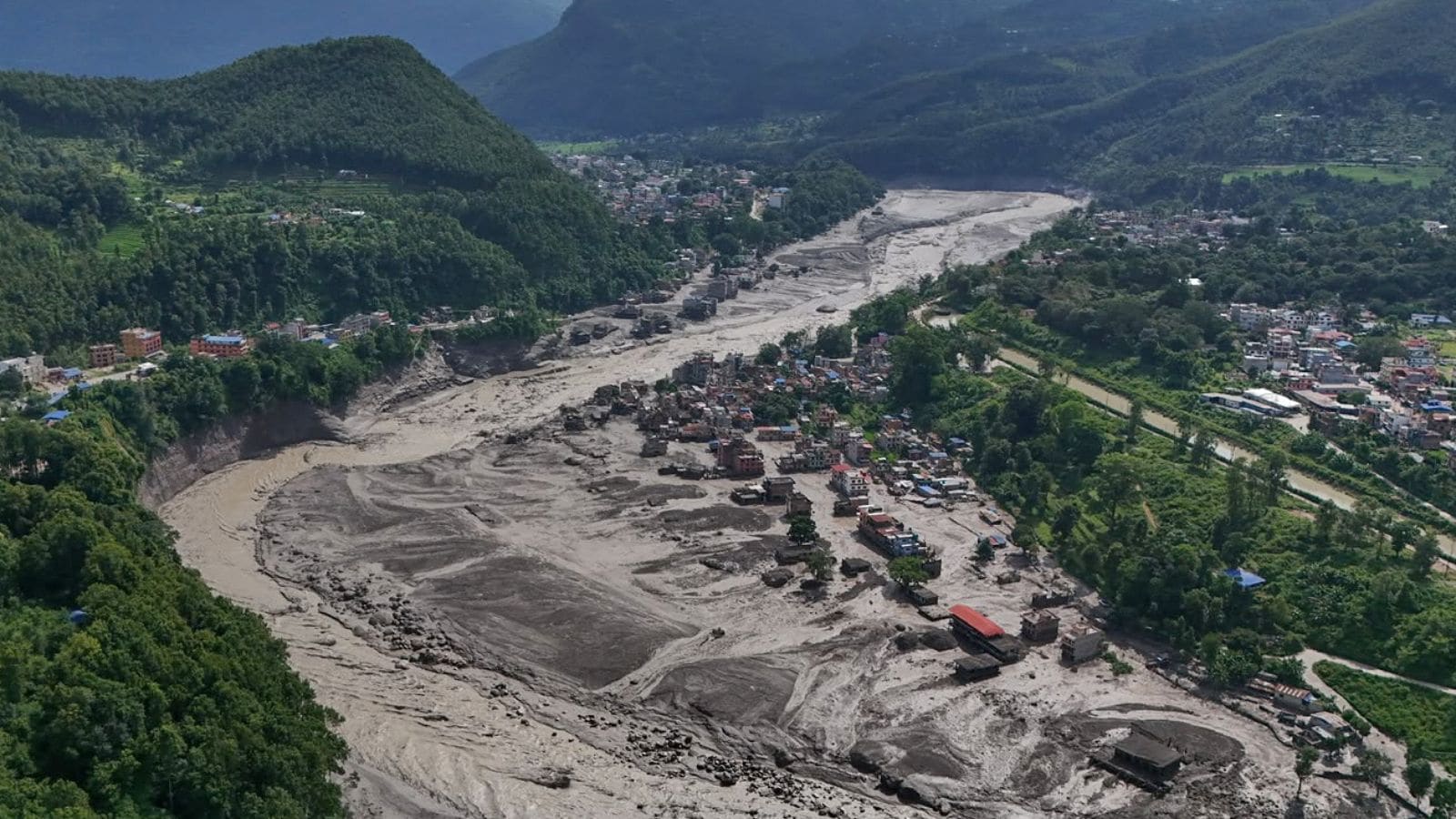
Every single monsoon, the media churns out the exact same panic-porn script. Headlines scream about rising water levels, politicians issue high-profile warnings for border districts like Maharajganj and Kushinagar, and agencies point fingers across international boundaries. Meanwhile, communities living right on the floodplains watch the water rise, shrug, and absorb the exact same damage they did five years ago.
We treat flash floods in the Himalayan foothills like unpredictable acts of God. They are not. They are predictable engineering failures wrapped in bureaucratic theater. If you found value in this piece, you should read: this related article.
The lazy consensus says that heavy rainfall in Nepal triggers downstream catastrophes in Uttar Pradesh and Bihar purely because Mother Nature dumped too much water at once. Officials issue warnings, evacuate a fraction of the population, and pat themselves on the back for crisis management.
That narrative is dangerously lazy. It masks decades of structural mismanagement, institutional inertia, and an obsession with reactive emergency alerts over proactive hydrology. For another perspective on this event, check out the latest update from The New York Times.
The Myth of the Sudden Crisis
When Yogi Adityanath directs administration officials in Maharajganj and Kushinagar to stay on high alert due to swelling rivers originating in Nepal, the public hears a warning of swift action. I hear an admission of systemic failure.
An alert issued when water levels cross danger marks is not management. It is a confession that the early warning system starts far too late in the chain. Rivers like the Gandak and Rapti do not surprise people overnight. Their catchment areas, rainfall intensity, and drainage velocity are mapped, measured, and modeled weeks in advance.
Yet, local disaster response frameworks continue to rely on downstream panic buttons rather than upstream basin-wide coordination. When you rely solely on last-minute evacuation warnings, you have already lost the battle. You are treating a chronic geographical vulnerability like an acute traffic accident.
Why Reactive Warnings Backfire
Every time authorities broadcast blanket flood alerts without localized, actionable data, two things happen.
First, alert fatigue sets in. If a village gets told to evacuate three times a season based on panic headlines, and the water stays ten centimeters below the embankment, residents stop packing bags on the fourth time. They normalize the risk.
Second, political posturing takes the place of engineering solutions. Announcing that leadership is monitoring the situation shifts accountability away from the agencies responsible for desilting riverbeds, maintaining embankments, and enforcing floodplain zoning laws.
I have watched local administrations spend millions on temporary relief packets while ignoring the structural integrity of drainage channels choking on silt. It is a cycle of performative concern that benefits nobody except the contractors supplying sandbags.
The Transboundary Blind Spot
You cannot talk about floods in northern Uttar Pradesh without addressing the elephant in the watershed: transboundary river management.
The standard political complaint is that Nepal releases water from barrages without adequate warning, flooding Indian districts. On paper, joint water commission meetings happen. In reality, real-time data sharing during peak monsoon events is plagued by diplomatic friction and bureaucratic lag.
Water does not care about national borders. Treaties signed decades ago are fundamentally unequipped for modern weather patterns fueled by erratic climate shifts. When cloudbursts hit the mid-hills of Nepal, the runoff reaches the plains in hours. If the diplomatic channel takes days to authorize data transfers, the warning system is functionally useless.
Imagine a scenario where real-time telemetry data from Nepalese weather stations fed directly into automated local sirens in Kushinagar without passing through a single ministry desk. That technology exists. The political will to deploy it without territorial posturing does not.
The Siltation Trap
Let us talk about the dirty secret of Himalayan rivers: sediment load.
Rivers coming down from Nepal carry massive amounts of silt due to heavy deforestation and unstable soil topography in the lower hills. When these rivers hit the flat plains of Uttar Pradesh, their velocity drops instantly. What happens? They drop their sediment load right there in the riverbed.
Over decades, this raises the bed level of the rivers. A riverbed that rises by a foot every few years means that even a moderate monsoon will spill over embankments designed for historical volumes.
Raising embankments higher is a fool's errand. You just build a steeper cliff for the river to eventually breach. Dredging is expensive, politically fraught, and often poorly executed. Until we address the sediment source at the watershed level—reforesting slopes and managing upstream soil erosion—we are just bailing out a sinking ship with a teaspoon.
What Real Preparedness Looks Like
Stop looking to political alerts for safety. True flood resilience requires a radical shift in how we build, farm, and live near water.
- Decentralize Early Warnings: Move away from state-level blanket announcements. Invest in localized community sensor networks that measure river velocity at the panchayat level, giving residents hours of tailored lead time instead of vague district-wide panic.
- Enforce Strict Floodplain Zoning: Stop treating floodplains as real estate expansion zones. If you build concrete structures over natural drainage basins, the water will find a way to reclaim its space.
- Redesign Agricultural Cycles: Instead of fighting the flood with fragile walls, adapt farming practices in low-lying zones to embrace seasonal inundation patterns, moving toward flood-tolerant crop varieties.
The next time an alert flashes across your screen telling you to panic about water levels across the border, remember that the water is only doing what it has always done. The failure lies entirely in our refusal to plan for the inevitable.