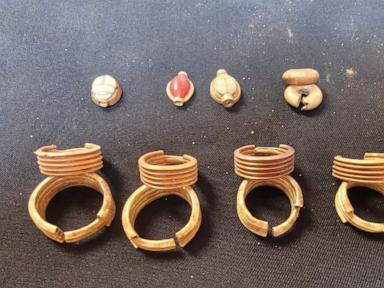
Digging up the dead is big business in Egypt. Just a few days ago, the Ministry of Tourism and Antiquities showed off another massive haul of ancient treasures. They found a stunning marble head of Aphrodite down in Beni Suef, inside the ruins of an ancient Roman basilica. Over in Cairo's Matariya neighborhood, crews dug up a mudbrick tomb belonging to an ancient military officer, complete with gold earrings, cosmetic tools, and a copper mirror.
It makes for great headlines. It looks amazing on Instagram. But let's look at the real motivation behind these ongoing excavations. Egypt is broke, and the government is desperate for foreign cash.
The strategy isn't a secret. Every time the local economy takes a hit, the government announces a major archaeological find. It's a calculated marketing playbook designed to remind travelers that Egypt owns the world's most exclusive historical catalog. With the recent grand opening of the massive Grand Egyptian Museum near the Giza Pyramids, the pressure to fill hotel rooms and airline seats is higher than ever.
But can a steady stream of mummies and marble statues actually rescue a struggling modern economy?
The Heavy Price of Historical Marketing
The newest discoveries focus on two major hubs. The first is Heracleópolis Magna, located about 80 miles south of Cairo. Archaeologists found massive 45-ton stone blocks that once supported a Roman basilica. Finding a beautifully detailed, ten-inch marble head of Aphrodite alongside inscriptions from Pharaoh Senusret III proves that this specific site was a massive commercial melting pot for centuries.
The second site sits in the chaotic heart of modern Cairo. The Matariya district covers what used to be Heliopolis, one of the oldest cities in ancient Egypt. Finding an intact elite military burial with five pairs of gold earrings and alabaster makeup containers is a massive win for historians.
Take a look at the math behind the marketing.
Last year, a record 19 million tourists visited Egypt. That was a 21% jump from the previous year. The upward trend is continuing, with 6.1 million visitors arriving in the first four months of this year alone. That beats the 5.7 million tourists who arrived during the same period last year.
The numbers look great on paper. Yet, look a little closer at the broader economic reality. Tourism accounts for more than 10% of Egypt's gross domestic product. It is a vital source of foreign currency. But the country is currently suffocating under a massive foreign debt burden and rampant inflation. Political instability in neighboring regions continually threatens to scare travelers away.
Relying on old buried treasures to solve modern economic structural issues is a risky bet.
What Travelers Actually Face on the Ground
If you plan a trip to see these new discoveries, you need to understand the reality of traveling in Egypt right now. The government is spending billions on shiny new mega-museums, but the daily reality for independent travelers can be exhausting.
The infrastructure outside major tourist tracks remains frustrating. If you step away from luxury tour groups, you will deal with aggressive street vendors, confusing transport networks, and a dual-pricing system that forces foreigners to pay exponentially more for basic entry tickets.
The real test for Egypt's tourism push isn't whether they can dig up another pharaoh. It's whether they can treat living tourists well enough to make them want to come back.
If you want to experience the best of these new discoveries without getting overwhelmed by the typical tourist traps, use this practical strategy for your itinerary.
Skip the Main Giza Complexes at Noon
Everyone runs to the pyramids the second they land. Don't do that. Go early in the morning right when the gates open, or wait until late afternoon. The heat is intense, and the aggressive camel handlers are much more persistent when the crowds peak at midday.
Spend Time in the Lesser Known Sites
Instead of spending your entire budget on the main Giza attractions, head south to Saqqara or plan a trip toward Beni Suef. These sites give you a closer, quieter look at active excavation fields without the overwhelming crowds of the main Cairo hubs.
Manage Your Currency Wisely
The Egyptian Pound has been incredibly volatile. Many local vendors, high-end restaurants, and tour guides prefer or outright demand US dollars or Euros. Keep a steady supply of small-denomination local cash for tipping and street markets, but carry crisp, clean foreign bills for major transactions.
Egypt will keep digging. More statues will emerge from the sand next month, and more gilded coffins will break the news cycle by winter. The history is undeniably brilliant. But until the country fixes the basic, everyday travel experience on the ground, all these ancient treasures are just beautiful band-aids on a deep economic wound.