The operational footprint of a high-ranking public official extends far beyond the physical boundaries of their home jurisdiction. When an elected executive maintains a high-frequency travel schedule funded partially or entirely by public security apparatuses, it introduces quantifiable questions regarding resource allocation, opportunity costs, and institutional efficiency. Examining the logistics behind executive mobility provides a framework for understanding how time and capital are deployed in modern political offices.
The Mechanics of Executive Transport
Public safety mandates for high-profile state officers require dedicated protection details. These details create an unavoidable baseline cost structure characterized by fixed overhead and variable deployment expenses.
When an official travels out of state—whether to regional political convenings, policy summits, or national media appearances—the cost function includes several distinct variables:
- Personnel Rotation: Security teams operate in shifts to maintain continuous coverage, multiplying lodging and per diem expenses.
- Logistical Overhead: Advance work, secure transport arrangements, and communications infrastructure create parallel operational costs.
- Opportunity Costs of Time: Every hour spent in transit or at non-governmental events is an hour diverted from core administrative duties, legislative oversight, or departmental management.
Public records analyses often highlight discrepancies between official calendar entries and actual movements. This divergence points to a structural challenge in public sector accountability: the absence of standardized time-tracking mechanisms for executive schedules. When blocks of time remain unallocated or dedicated to external media engagement, the administrative machinery experiences a localized throughput bottleneck.
Regional Contradictions and Resource Flows
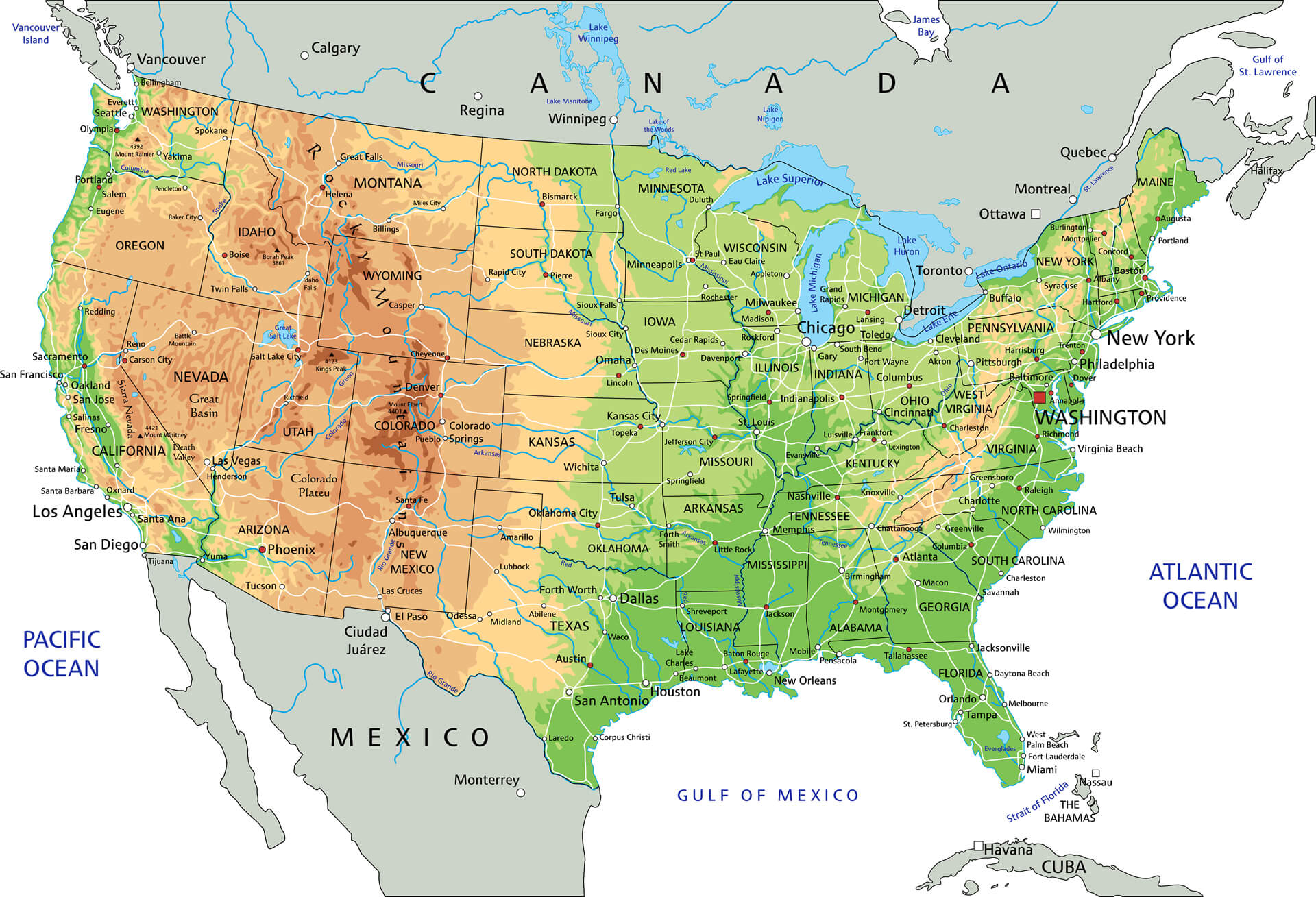
A recurring pattern in executive logistics involves the ideological divergence between public rhetoric and geographic destinations. Officials frequently critique specific state economies or regulatory environments while simultaneously utilizing those same jurisdictions for professional networking, fundraising, or personal respite.
From an analytical perspective, this creates an operational paradox. The allocation of state-funded security resources into regions whose policies the official publicly opposes highlights a tension between political positioning and practical utility. Financial disclosures and security logs reveal that high-density travel corridors often align with national donor networks, media hubs, or leisure destinations rather than traditional administrative nodes.
Quantifying the Security Burden
The financial burden of maintaining executive mobility is borne by taxpayers through dedicated Department of Public Safety or equivalent state law enforcement allocations. To evaluate the efficiency of these expenditures, analysts look at three primary metrics:
- Trip Utility Ratio: The proportion of out-of-state journeys tied directly to statutory duties versus political or personal engagements.
- Security-to-Outcome Multiplier: The measurable legislative, legal, or administrative return generated relative to the capital expended on travel logistics.
- Calendar Transparency Index: The degree of alignment between official schedules and documented security movements.
When security logs indicate hundreds of out-of-state movements alongside substantial blocks of unannotated workdays, it signals a systemic lack of operational visibility. Without rigorous auditing frameworks, the true cost of executive mobility remains obscured behind broad executive privilege and security exemptions.
Strategic Forecasting
As political campaigns increasingly nationalize state-level executive offices, the volume of out-of-state travel is expected to rise. Future governance models will likely face mounting pressure to institutionalize stricter disclosure requirements for travel financed by public funds. Without transparent accounting mechanisms, the opportunity cost of executive absence will continue to manifest as reduced oversight within the primary agency, creating a structural trade-off between national political ambition and local administrative stewardship.