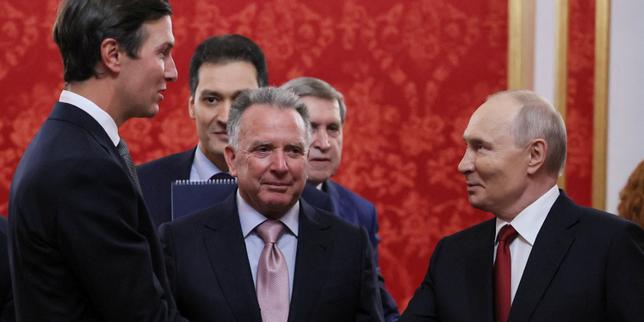
Foreign policy shifts rarely occur in an analytical vacuum. When the executive branch of a major global power decides to bypass legislative momentum for economic penalties, the action functions as a calculated disruption of existing diplomatic equilibria. Deconstructing the mechanics behind the suspension of major sanctions against the Russian Federation reveals an interplay between domestic electoral calculus, trade-offs in statecraft, and the structural limitations of economic coercion.
The Cost Function of Economic Coercion
Sanctions operate on a simple theoretical premise: raise the adversary's transaction costs until their strategic objectives become economically unsustainable. However, the marginal utility of successive sanction packages tends to diminish rapidly over time. In other updates, read about: The Economics of Distraction and Commercial Motor Vehicle Safety Failures.
The first limitation involves substitution effects. When primary financial networks are restricted, target states adapt by routing transactions through alternative clearing houses, relying on secondary commodity markets, and establishing bilateral barter or non-dollar trade corridors. Over extended conflict horizons, targeted economies institutionalize workarounds, blunting the intended pressure.
The second limitation is the feedback loop on domestic constituents and allied economies. Expanding restrictive measures against a major exporter of energy and raw materials creates structural inflation, tightens global supply chains, and forces allies to absorb asymmetric costs. When the projected domestic economic drag outweighs the anticipated diplomatic concessions from the adversary, the rational policy vector for an administration shifts from escalation to relief. The Guardian has also covered this critical issue in extensive detail.
The Domestic Political Horizon
Foreign policy decisions executed in proximity to domestic legislative or midterm elections carry distinct temporal constraints. The executive branch operates under a dual incentive structure: maintaining long-term geopolitical alliances versus satisfying immediate domestic voter sensitivities regarding inflation, economic stability, and foreign entanglements.
Suspending impending legislative sanctions introduces a deliberate shock to international diplomatic channels. By invoking executive authority to declare that specific penalties do not align with national interest parameters, the administration prioritizes short-term stabilization of domestic economic indicators. This maneuver serves a dual purpose within an electoral cycle:
- It signals to domestic constituencies a resistance to inflationary foreign policies and endless resource allocation.
- It creates a compressed window of evaluation—often structured around a sixty-day assessment period—to test whether diplomatic adversaries will reciprocate with movement toward a negotiated settlement.
This approach, however, introduces severe friction within alliance networks. Frontline allies and partner states that have invested political and economic capital into a unified enforcement regime face strategic disorientation. When a primary guarantor alters its posture unilaterally, coalition coherence fractures, reducing the collective leverage required to compel concessions from Moscow.
The Mechanics of Diplomatic Leverage
The core gamble of rolling back coercive measures relies on transactional diplomacy rather than attrition. Traditional deterrence assumes that intensifying punishment will eventually force a capitulation. Conversely, the transactional model treats sanctions as movable chips in a bilateral bargain.
By temporarily lifting or withholding statutory penalties, the executive attempts to manufacture an opening for comprehensive security architecture negotiations. The underlying hypothesis posits that the target state values the removal of systemic financial barriers enough to engage in substantive territorial and political compromises.
Yet, this logic contains a fundamental vulnerability. If the adversary interprets the suspension of sanctions not as an incentive for peace, but as an indicator of political fatigue and declining resolve, the expected behavioral change fails to materialize. Instead of moderating territorial demands, the adversary may harden its stance, calculating that time and internal Western political friction favor its long-term campaign objectives.
Strategic Execution and Systemic Vulnerability
The efficacy of utilizing sanction relief as a diplomatic catalyst depends entirely on enforcement credibility. If the executive branch demonstrates a willingness to bypass legislative mandates, future threats of escalation lose their deterrent weight. Adversaries and allies alike begin to discount statutory warnings, anticipating future executive interventions or policy reversals.
Navigating this transition requires managing three distinct operational risks:
- Coalition Erosion: Partner nations may unilaterally dismantle their own restrictive measures or pursue independent bilateral deals, permanently degrading multilateral economic pressure.
- Credibility Deficit: Legislative bodies and foreign partners lose confidence in the predictability and continuity of the state's foreign commitments.
- Asymmetric Miscalculation: Providing economic breathing room to a state engaged in active military operations can inadvertently finance extended military capacity if the anticipated diplomatic breakthrough stalls.
The strategic play moving forward rests on the outcome of the compressed evaluation window. If bilateral talks produce a verifiable shift in territorial or security frameworks, the tactical pivot toward relief can be framed as a high-risk, high-reward masterstroke. If the adversary absorbs the economic relief without altering its military trajectory, the administration faces a depleted arsenal of coercive options and a fractured coalition structure, leaving fewer levers to influence the architecture of European security.
This video provides additional context regarding the international reactions and diplomatic fallout stemming from the recent executive decisions regarding sanctions and allied relations.