The air in Manchester tastes like damp pine, exhaust, and cheap coffee. It is election night, and inside the local diners, the hum of fluorescent lights matches the nervous chatter of people waiting to see who the state will anoint next.
Consider what happens when history refuses to stay put.
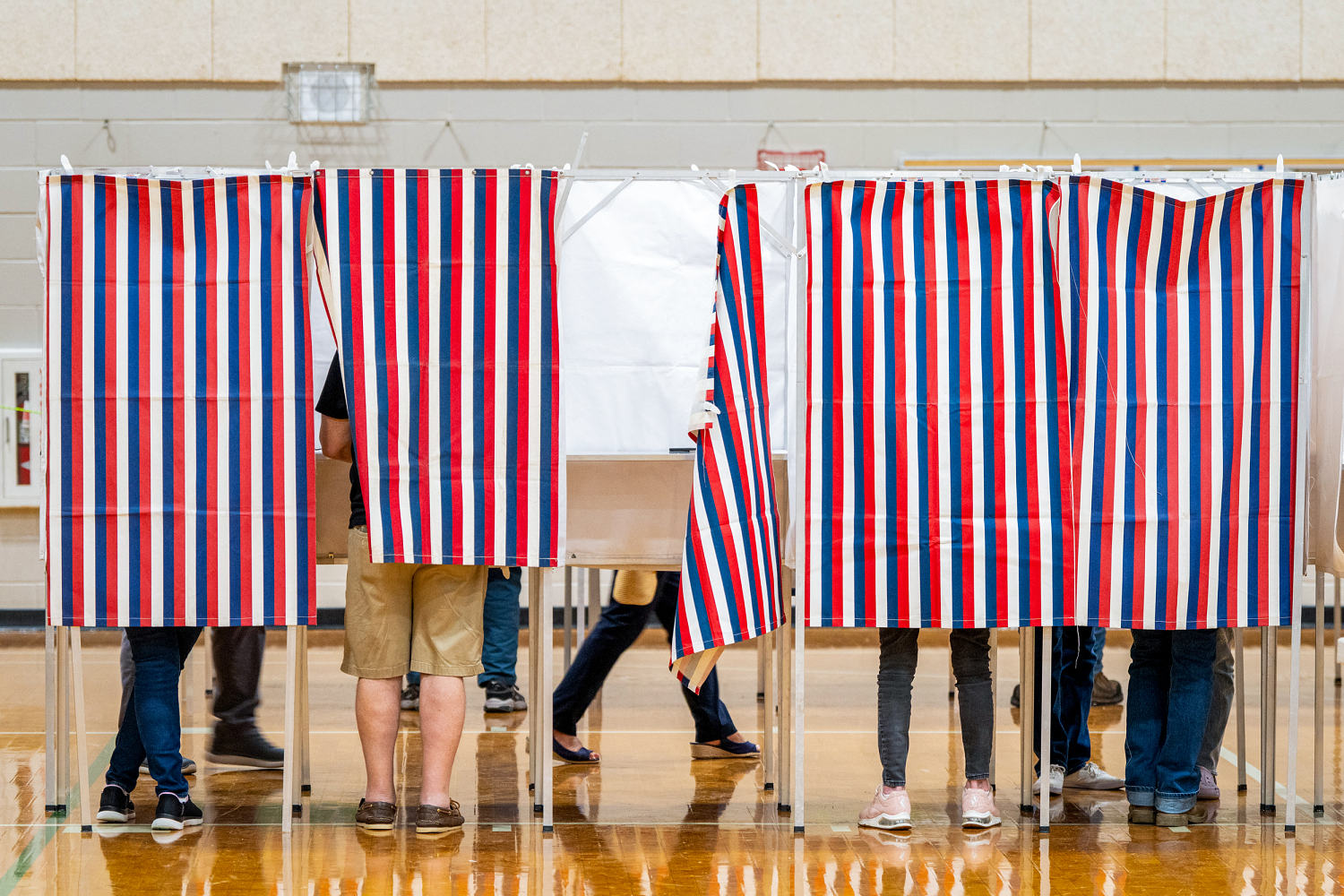
Across the state, voters on a Tuesday night are walking into school gymnasiums and municipal buildings just as their parents did decades ago. But something strange is happening to the ballot box. While much of the country spent the cycle chasing fresh faces and shouting anti-establishment slogans, the voters of New Hampshire chose a different path. They reached backward.
Take the Republican Senate primary. On the ballot stand names that evoke memories of an entirely different political epoch. John Sununu, whose family name has anchored Granite State politics for generations, is back. Beside him is Scott Brown, the former Massachusetts senator who packed his bags for Rye after his time in office ended. These are not political novices testing the waters with viral TikTok videos. They are men who held high office long before smartphones dictated the news cycle.
Voters are tired. That is the quiet secret whispering through the voting booths. They are weary of the constant, white-hot friction of modern politics, and they responded by turning toward familiarity. When a populace feels the ground shifting under their feet, they often grasp for the handrail they remember.
Yet, the pull of the past did not go unchallenged. On the Democratic side, a fierce collision between generations and ideologies played out in real time. Representative Chris Pappas, a four-term incumbent accustomed to the heavy lifting of a battleground district, found himself pressed hard from the left. Karishma Manzur, a research scientist armed with a biochemistry doctorate and a progressive platform, mounted a serious challenge that forced the party establishment to sweat.
The tension in those numbers tells a story of a party wrestling with its soul. Millions of dollars poured into the airwaves, turning quiet living rooms into battlegrounds of dueling advertisements. Voters stood at their kitchen tables sorting through mailers, trying to balance loyalty to tested leadership against an urgent hunger for systemic change.
Look at the margins. Watch the precinct returns trickle in from the coastal towns up to the rugged northern notches. Every percentage point represents a kitchen table argument, a neighbor convincing a neighbor, a registered voter who stared at a blank oval for five extra seconds before making their mark.
The television desks miles away will slice these numbers into pie charts and red-and-blue maps. Pundits will declare sweeping mandates or fatal flaws by midnight. But down here, under the amber glow of streetlamps, it feels much more human. It is about a community trying to figure out who speaks for its future by testing voices from its past.
The ballots are folded. The tabulation machines hum quietly in municipal basements. And as the final precincts report their tallies, the state that always votes first leaves the rest of the nation to reckon with the choices made in the dark.


