Trust breaks down fast when deadly disease hits a community. In the Democratic Republic of Congo, this breakdown just boiled over into outright confrontation. Local residents recently stormed a regional hospital treating Ebola patients, demanding that staff hand over the bodies of their deceased relatives. It sounds chaotic. It sounds dangerous. But if you look closely at the history of outbreaks in this region, it is entirely predictable.
This is not a story about people denying science. It is a story about deep-seated cultural trauma, institutional failure, and what happens when medical protocols collide violently with sacred family traditions.
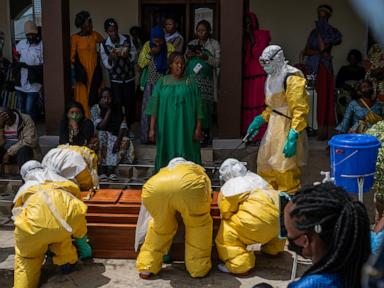
The immediate crisis centers on the enforcement of safe and dignified burials. When someone dies of Ebola, their body is highly infectious. The viral load peaks right at the time of death. Because of this, traditional Congolese funeral practices—which involve washing, touching, and kissing the deceased—become lethal. The World Health Organization (WHO) and local health ministries mandate that specialized teams handle these bodies.
But to the grieving families, these teams look like astronauts stealing their loved ones in white plastic bags.
The Core Conflict Behind the Hospital Raids
You cannot understand this violence without understanding the weight of burial rituals in Congo. A proper burial is not optional there. It ensures the deceased transitions peacefully into the ancestral realm. When armed security and medical staff step in, seize a body, and bury it in a hidden grave without the family's consent, it causes immense psychological harm.
Families feel they have failed their kin. They fear spiritual repercussions.
When the crowd rushed the hospital, they were trying to reclaim their autonomy. They wanted to honor their dead, even if it meant risking infection. Health workers faced a terrifying choice: hold the line to protect public health or back down to avoid a riot. Usually, these escalations happen because of a total vacuum of communication.
Medical teams often move too fast. They rely on force instead of dialogue.
The Red Cross and local health agencies have documented dozens of similar attacks over the last decade. During the massive 2018–2020 outbreak in eastern Congo, response teams faced regular ambushes. Centers were burned down. Doctors were killed. The root cause remains the same today. The community views the international response as a top-down imposition rather than a collaborative effort.
Where the Medical Response Goes Wrong
Public health officials love data, logistics, and strict isolation protocols. They forget that humans operate on emotion and tradition. When an outbreak hits, foreign experts fly in with millions of dollars, heavy vehicles, and armed escorts.
To a villager who lacks clean water, basic roads, and everyday medication, this sudden influx of resources looks suspicious. They ask a logical question: Why do you only care about us when we have a disease that might spread to your countries?
This suspicion breeds rumors. People start believing that Ebola is a moneymaking scheme for politicians or that Western doctors are stealing organs. When a relative enters an isolation ward and never comes out alive, those rumors solidify into facts for the community.
Ebola Transmission Risk at Death:
- Viral load in bodily fluids: Highest at mortality
- Traditional practice risk (washing/kissing): Extreme transmission rate
- Safe burial protocol risk: Near zero when handled by trained teams
We know from extensive field studies by anthropologists that force backfires. Every time a community feels threatened by health workers, they hide the sick. They bury their dead secretly at night in residential backyards. This drives the virus deeper underground, making the outbreak last months longer than it should.
Building True Community Alliance
Stopping the cycle of hospital raids requires an immediate shift in strategy. It is not about educating uneducated people. It is about respecting local authorities and adapting medical guidelines to fit human realities.
First, response teams must include local religious leaders and village elders in every single burial discussion. If a family cannot touch the body, they must be allowed to view it from a safe distance. They should be able to throw soil onto the coffin or sing traditional songs while wearing protective gear.
Second, transparency inside isolation units must improve. Many hospitals in Congo now use specialized biosecurity tents with transparent walls. This lets families see their sick relatives alive, talk to them through a microphone, and witness the medical care firsthand. It demystifies the treatment process. It proves that doctors are trying to save lives, not hide bodies.
International funding needs to pivot toward local capacity. Instead of flying in external teams to manage burials, train the youth within the affected neighborhoods. When a family sees a neighbor in the protective suit rather than a stranger or a government soldier, the tension drops instantly.
If you want to track how these dynamics evolve or understand the broader regional health patterns, keep a close eye on updates from the Africa Centres for Disease Control and Prevention (Africa CDC). They regularly publish field reports detailing community engagement metrics and outbreak status reports.
Health agencies must stop treating the community as an obstacle to overcome. The community is the intervention. Until local grief is given the same priority as viral containment, the gates of Congo's hospitals will continue to face the fury of broken hearts.