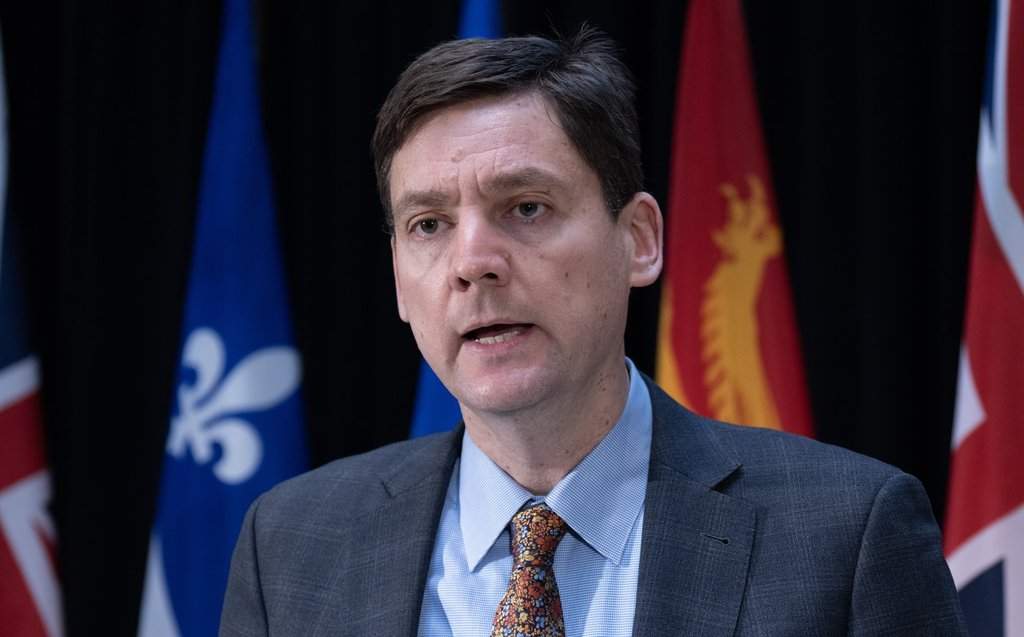
David Eby is in a tight spot. He’s trying to convince Indigenous leaders that hitting the "pause" button on a landmark human rights law isn’t a betrayal. But for many First Nations in British Columbia, it feels exactly like that. The B.C. Premier is moving to suspend specific sections of the Declaration on the Rights of Indigenous Peoples Act (DRIPA), and he’s doing it with a single-seat majority and a ticking legislative clock.
It’s a messy situation. You can’t claim to be a champion of reconciliation while simultaneously freezing the very mechanism that makes reconciliation legally enforceable. That’s the core of the friction. Eby says it’s about "legal certainty" and protecting the economy. Indigenous leaders say it’s a return to "colonialism" and a unilateral gutting of a hard-won partnership.
The Gitxaala Decision That Spooked Victoria
The catalyst for this sudden pivot isn’t some backroom political deal. It’s a courtroom reality check. In December 2025, the B.C. Court of Appeal dropped a bombshell in the Gitxaała case. The court ruled that DRIPA isn't just a feel-good statement of intent. It actually has "immediate legal effect."
For the provincial government, this was a "be careful what you wish for" moment. They passed DRIPA in 2019 to provide a framework for reconciliation. They didn't expect the courts to interpret it as a tool that could instantly upend every provincial law—from mining to forestry—that doesn't perfectly align with the UN Declaration on the Rights of Indigenous Peoples (UNDRIP).
Eby’s government is now staring down over 20 lawsuits that have been updated to reflect this ruling. If the courts start striking down B.C. laws left and right because they haven't been "aligned" yet, the province fears an economic standstill. So, Eby wants to pause Section 3 of the Act—the part that mandates all B.C. laws be made consistent with the UN Declaration—for up to three years.
A Confidence Vote on a Razor Edge
This isn't just a policy debate; it’s a political survival play. Eby has declared the vote to suspend DRIPA sections a matter of confidence. With only a one-seat majority, he’s betting the farm that his caucus stays in line.
The pressure on the three Indigenous MLAs in the NDP caucus is immense. Grand Chief Stewart Phillip has called the move an "absolute betrayal." Robert Phillips of the First Nations Summit hasn't minced words either, calling for those Indigenous MLAs to stand down or vote against their own government.
- The Government's Stance: This is a temporary "time-out" to prevent legal chaos while the Supreme Court of Canada weighs in.
- The Opposition (BC Conservatives): They want the whole Act scrapped, arguing it has failed to provide the stability it promised.
- The Indigenous Leadership: They see this as a "walk back" that proves the Crown only respects Indigenous rights when they aren't "inconvenient."
The Myth of a Meaningful Pause
Eby keeps saying that reconciliation won't stop. He’s sent letters, held Zoom calls, and insisted that work on the "Action Plan" will continue. But it’s hard to buy the "business as usual" narrative. If you remove the legal teeth of an act, you're essentially asking First Nations to trust the government's good intentions again. History shows that hasn't worked out well for them.
The Gitxaała ruling specifically targeted the province’s online mineral claims system. Currently, a prospector can click a few buttons and get a claim on First Nations land without anyone ever picking up a phone to consult the community. The court said that’s inconsistent with DRIPA. By pausing the Act, the province keeps that broken system on life support for a few more years while they "figure things out."
Why the Next Three Years Matter
The government’s plan is to wait for the Supreme Court of Canada to rule on the Gitxaała and Ehattesaht cases. They’re hoping the high court will dial back the "immediate legal effect" interpretation. If they win, DRIPA stays as a collaborative roadmap rather than a litigation hammer. If they lose, they’ve just bought themselves 36 months of borrowed time.
Honestly, it’s a cynical move. It prioritizes "investor certainty" over the constitutional and human rights of Indigenous people. You can't have a "two-way street" if one side gets to block the road whenever the traffic gets too heavy.
What This Means for the Future of BC
The fallout from this decision will last much longer than three years. It’s damaged the trust that was carefully built since 2019. First Nations leaders aren't just mad about the policy; they’re livid about the process. Eby admitted the "legislative calendar" didn't allow for proper consultation. That’s a weak excuse for a government that claims to prioritize the "New Relationship."
If you’re watching this from the sidelines, don’t be fooled by the "administrative" label. This is a fundamental shift in how B.C. approaches Indigenous title and rights.
Immediate steps for those following the situation:
- Watch the legislative vote before May 28. If the suspension passes, expect a wave of new protests and legal challenges focused on the "unconstitutionality" of the pause itself.
- Monitor the Supreme Court of Canada’s decision on whether to hear the appeal. That will determine if the "three-year" clock stays or shrinks.
- Look for the impact on the mining sector. While the province wants certainty, many First Nations may now be less willing to sign the voluntary resource agreements Eby is counting on.
Reconciliation isn't a hobby you can put on a shelf when it gets too hard. It’s a legal and moral obligation. Right now, Victoria is trying to have it both ways, and the cracks are starting to show.