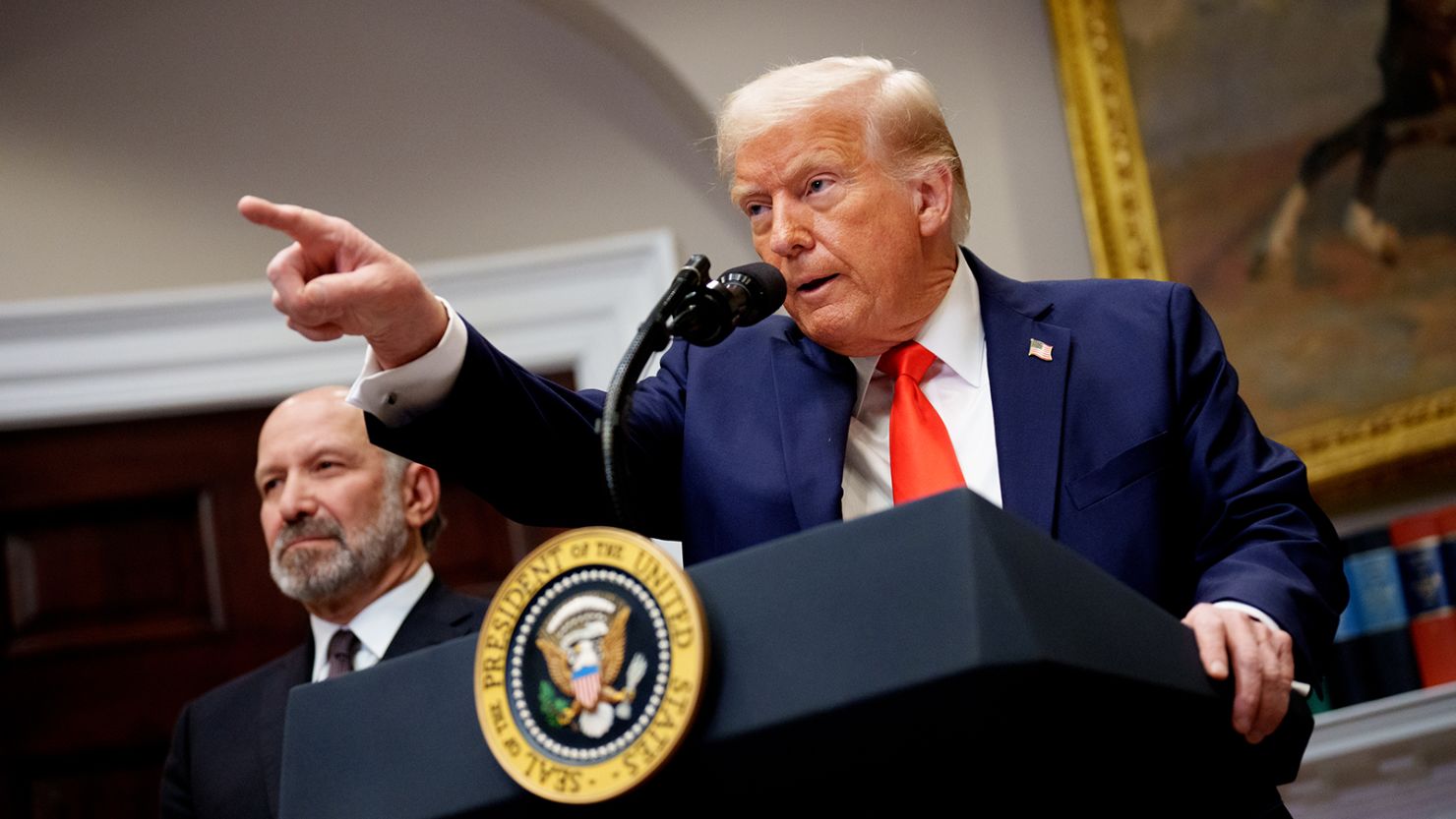
Donald Trump is staring down a political storm. Between a fractured Congress and mounting pressure from domestic economic critics, he’s heading to his latest summit with China not from a position of absolute dominance, but out of necessity. It’s a classic play for a leader who knows a flashy foreign policy win can often distract from a messy situation in Washington.
He’s signaling that he’s ready to make a deal. For a man who built his brand on "America First" and aggressive tariffs, this shift toward a deal-making posture isn't just about trade balance. It’s about survival. When things get tough on the home front, the easiest way to change the narrative is to fly halfway across the world and shake hands with a global rival on live television.
The Domestic Firestorm Driving Trump to the Table
The reality is that the White House is feeling the heat. Recent polling shows voters are increasingly frustrated with the slow pace of domestic reforms and the persistent bite of inflation in key swing states. It's one thing to talk about trade wars when the economy feels bulletproof. It's another thing entirely when your own base starts asking when the benefits of those policies will actually show up in their bank accounts.
Trump’s opponents are smelling blood. They’ve been hammering the administration over legislative gridlock and a series of legal distractions that just won't go away. By signaling an eagerness to sit down with Chinese leadership, Trump is trying to reclaim the "Master of the Deal" title that has been somewhat tarnished by recent political stalemates. He needs to show he can still deliver the big, transformative agreements he promised during the campaign.
Think about the timing here. We've seen this pattern before. Whenever a president faces a dip in approval or a particularly nasty week in the press, a high-stakes international summit suddenly becomes the top priority. It’s high-energy. It’s visual. It allows him to look "presidential" in a way that arguing with a subcommittee chair never will.
What a Realistic China Deal Actually Looks Like
Let's be honest about what's on the table. Nobody expects a total overhaul of the global economic order in a single weekend. Instead, watch for smaller, high-impact concessions that Trump can sell as massive victories to his supporters back home.
We’re likely looking at specific purchase agreements. Think American soybeans, beef, and maybe some renewed promises on energy exports. China knows Trump is under pressure, and they aren't above tossing him a bone if it means a reprieve from further tariff hikes. It’s a cynical dance, but it’s how these things work.
The Technology Gap and Intellectual Property
This is the sticking point that usually kills these talks. China isn't going to suddenly stop its long-term strategy of technological self-sufficiency. However, we might see some movement on intellectual property protections for specific American sectors like pharmaceuticals or aerospace. If Trump can walk away with a signed paper saying "China will stop stealing our tech," even if the enforcement is questionable, he’ll frame it as the greatest victory in the history of trade.
For the American business community, any stability is good stability. Markets hate uncertainty more than they hate bad news. If this summit results in a "truce" rather than a full-blown resolution, Wall Street will likely rally. That’s exactly what the administration wants to see before the next round of domestic economic reports.
Why China Might Play Along This Time
You might think Beijing would want to see Trump struggle. That’s only half true. China has its own set of problems. Their property market is still a disaster, and their youth unemployment numbers are high enough to make the CCP nervous. They need a stable global trade environment just as much as Trump needs a win.
If they can give Trump a "victory" that costs them relatively little in the long run, they’ll do it. It’s a trade-off. They give him the headlines he needs for his domestic audience, and in exchange, they get a predictable trade partner for the next few months. It's about buying time.
Navigating the Political Minefield of a Deal
The danger for Trump is looking too eager. If he accepts a weak deal just to get a win, the hawks in his own party will turn on him. People like the hardliners in the Senate have spent years building their careers on being "tough on China." If Trump comes home with an agreement that looks like a surrender, he might solve one problem only to create a much bigger one within his own coalition.
He has to walk a very thin line. He needs to be the aggressive negotiator and the cooperative world leader at the same time. It’s a performance. He’ll likely use the same rhetoric he always does—calling the Chinese leadership "tough" and "smart" while insisting that he’s the only one who can get them to the table.
The Risks of Overselling
One mistake this administration often makes is over-promising on the impact of these summits. If the "Phase One" or "Grand Bargain" doesn't translate to lower prices at the grocery store or more factory jobs in the Midwest within six months, the political benefit will evaporate. Voters are becoming more sophisticated about trade. They know that a handshake in Beijing doesn't always mean a better life in Ohio.
Watching the Narrative Shift in Real Time
Pay attention to how the news cycle changes in the lead-up to the summit. You’ll see a decrease in talk about domestic scandals and an increase in "exclusive" leaks about the progress of the trade talks. This is coordinated. The goal is to make the American public feel like they are on the verge of a historic breakthrough.
This isn't just about economics. It’s about the optics of power. Trump wants to be seen as the guy who can walk into a room with the world's most powerful autocrats and come out with a check. Whether that check actually clears is a question for next year. For now, the theater is the point.
What Happens if the Talks Fail
There’s always the chance that things go south. If the Chinese side senses too much desperation, they might push for concessions Trump simply can’t give—like rolling back major national security restrictions on Chinese tech firms. If that happens, expect Trump to pivot instantly. He’ll walk away from the table, claim the Chinese weren't "ready" to be fair, and double down on the headwinds-at-home narrative by blaming "sabotage" by his domestic rivals for weakening his negotiating position.
It’s a win-win for him in a weird way. If there’s a deal, he’s a hero. If there isn't, he’s a martyr fighting for the American worker against a global conspiracy.
Keep an eye on the following indicators over the next 48 hours:
- The specific language used by the Secretary of State regarding "mutual respect."
- Any sudden movements in the agricultural futures markets.
- The frequency of Trump’s social media posts attacking his domestic opponents—usually, these drop off right before he tries to look "statesmanlike" on the global stage.
The next few days will determine the trajectory of the rest of the year. If Trump gets his deal, he buys himself a few months of breathing room at home. If he doesn't, the domestic headwinds he’s facing might just turn into a full-blown hurricane.