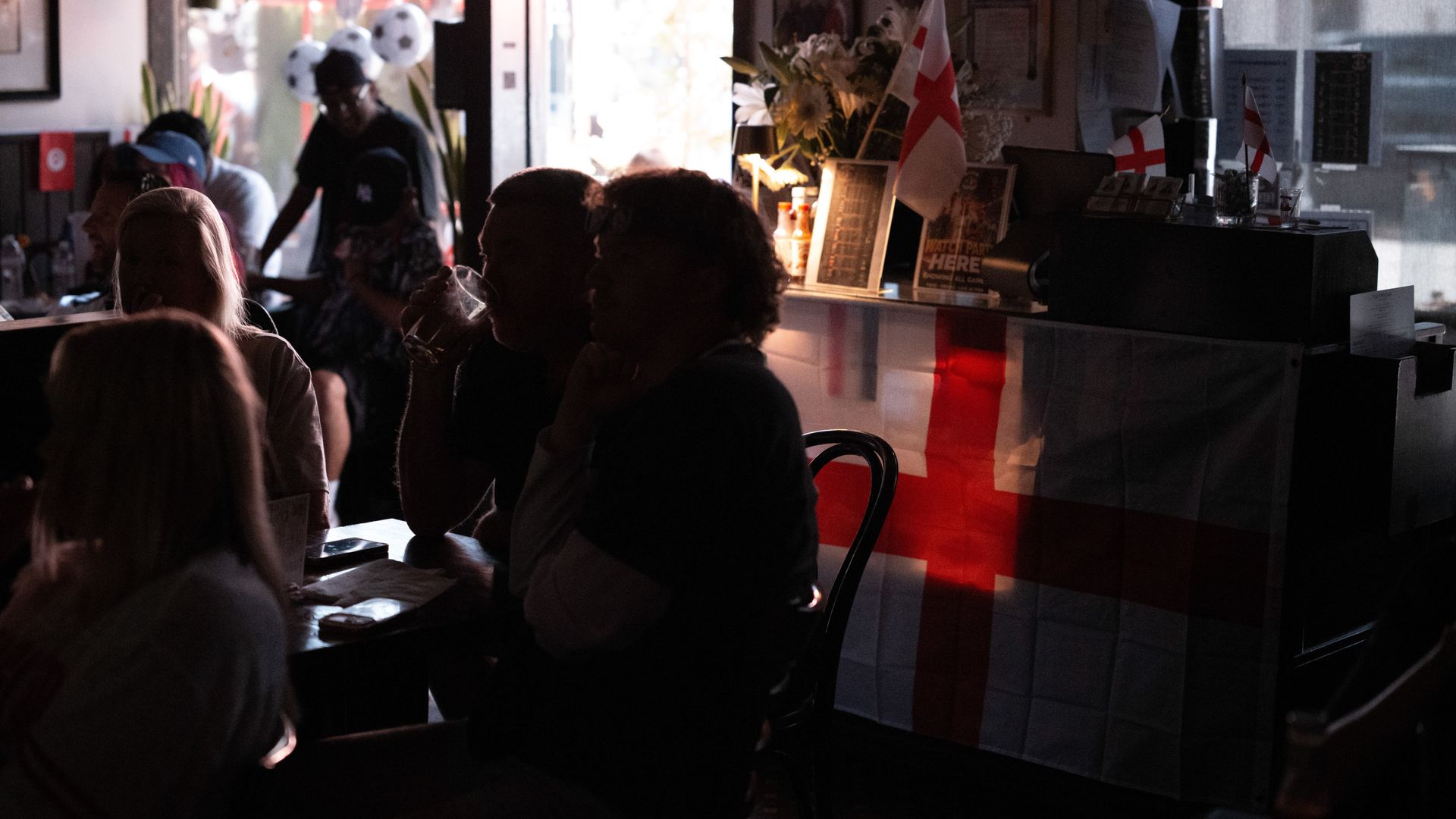
Major sporting events are supposed to bring people together. We rally around our national teams, gather in crowded pubs, and scream at big screens. But behind closed doors, a far darker pattern plays out every time a major tournament kicks off.
During the World Cup, domestic abuse reports don't just go up slightly. They hit staggering numbers. Research from the University of Lancaster tracked police data during three consecutive World Cup tournaments and found a clear, disturbing pattern: reported incidents of domestic violence rose by 26 percent when the national team won or drew, and surged by 38 percent when the team lost. Meanwhile, you can find related events here: The Economics of Global Malnutrition Metrics The Structural Mechanics Behind Diet Unaffordability.
This isn't just about football. It's about a volatile mix of heavy drinking, intense emotional stakes, and existing patterns of control that boil over on match days. If we want to protect vulnerable partners, we have to look past the pitch and address what actually drives this spike.
Football Does Not Cause Domestic Abuse But It Triggers It
Blaming a game for violent behavior misses the point entirely. A football match doesn't turn a healthy relationship into an abusive one overnight. Abuse is about power, control, and choices. To explore the complete picture, we recommend the recent report by The Washington Post.
What a major tournament does is act as an accelerator. It concentrates several known risk factors into a high-pressure window of a few hours.
When your team loses a high-stakes match, anger and frustration peak. When your team wins, intense excitement and celebratory drinking can lead to the exact same loss of control. In both cases, an abusive partner who already uses intimidation or physical force finds a ready-made excuse to explode.
Campaigners have pointed this out for years. The National Centre for Domestic Violence launched striking awareness campaigns highlighting how match days turn dangerous for thousands of victims. Yet, every four years, the pattern repeats itself with tragic predictability.
Alcohol Misuse and Match Schedules Create a Perfect Storm
Alcohol isn't an excuse for violence, but it's a massive multiplier. World Cup matches often lead to extended, heavy drinking sessions that start hours before kickoff.
Alcohol lowers inhibitions and impairs judgment. When you combine heavy alcohol consumption with emotional volatility, minor disagreements at home escalate rapidly into serious physical danger.
Match timing matters, too. Early afternoon games lead to all-day drinking, meaning perpetrators return home in late afternoon or evening in a state of high intoxication. Evening games mean late-night confrontations when victims are isolated at home with nowhere else to go.
Early Kickoffs Mean Longer Drinking Hours
When matches air early in the day, pub sessions stretch over six to eight hours. By the time final whistles blow, intoxication levels are dangerously high. Police forces across the country consistently log spikes in emergency calls during the hours immediately following a match rather than during the game itself.
Late Matches Leave Victims Isolated
Late-night games present a different hazard. Services and shelters are harder to reach in the middle of the night. Public transport stops running, and calling for help without alerting an abuser becomes exponentially harder when everyone is trapped inside the same house until morning.
What Research Realistically Tells Us About Match Days
The 38 percent statistic from the Lancaster study is famous, but broader research reinforces just how systemic this issue is. A study conducted by researchers at the Centre for Economic Performance examined years of emergency calls to London's Metropolitan Police. They found that while domestic abuse incidents dipped slightly during the actual two hours of a match—because people were glued to the screen—incidents spiked sharply right after the game finished.
The post-match surge isn't a brief glitch. It often lingers for up to ten hours after the final whistle.
That delay is critical for intervention strategies. Support services and law enforcement can't just prepare for the 90 minutes on the pitch. They need heightened resources allocated for the entire night following a match.
Spotting the Danger Signs Before a Match Escalates
If you or someone you know is living with a partner whose behavior deteriorates during sports events, recognizing the warning signs early can save lives.
Abusive patterns before and after games usually involve predictable shifts:
- Escalating control over viewing plans: Demanding complete authority over where the game is watched, who is present, or how the household acts during the match.
- Using alcohol as a pre-emptised excuse: Verbalizing threats beforehand, such as saying, "If they lose today, don't talk to me," or setting up an atmosphere of fear before the ball is even kicked.
- Property damage or minor physical intimidation: Punching walls, throwing objects, or aggressive shouting during tense moments in the match.
- Monitoring and isolation: Blocking access to phones, cars, or exit routes in the house as match time approaches.
Concrete Steps to Protect Yourself or Support Someone in Danger
Understanding the connection between major tournaments and domestic abuse is only useful if it translates to immediate, practical safety measures.
For Individuals in Unsafe Situations
If you fear a partner's reaction to match outcomes, plan ahead before kickoff:
- Keep a charged phone nearby: Keep your phone fully charged and on your person, not left across the room or on a counter where it can be taken.
- Establish a safe code word: Pick a simple word or emoji to text a trusted friend, family member, or neighbor that signals you need them to call the police to your address immediately.
- Map out clear exits: Identify rooms in your home that have an exit and do not contain potential weapons (like kitchens or garages). Avoid getting trapped in bathrooms or tight hallways.
- Prepare an emergency bag: Keep essential documents, spare keys, medication, and some cash hidden with a trusted friend or in a secure location outside the house.
For Friends and Family
If you suspect a loved one is at risk during major sports events:
- Check in strategically: Send casual texts before and after games to establish contact. If you know a game ended poorly, check in with a simple question that demands a reply.
- Offer your home as a low-key refuge: Invite them over to watch the game or hang out at your place so they aren't isolated at home.
- Document what you see: Keep discrete notes with dates, times, and observations if your friend confides in you. This can be vital later for securing legal protection orders.
Support Resources You Can Access Right Now
If you're in immediate physical danger, call emergency services immediately (999 in the UK or 911 in the US). If you cannot speak safely on the phone, stay on the line and press 55 (in the UK) to alert operators that you are in danger and unable to talk.
National support helplines operate 24/7, completely free and confidentially:
- UK National Domestic Abuse Helpline: 0808 2000 247
- US National Domestic Violence Hotline: 1-800-799-SAFE (7233) or text "START" to 88788
- Refuge (UK): Free online live chat services available daily
Do not wait for the next big tournament or match day to build a safety plan. Reaching out to a trained advocate today gives you access to practical legal remedies, emergency housing options, and safety planning tailored specifically to your home environment.