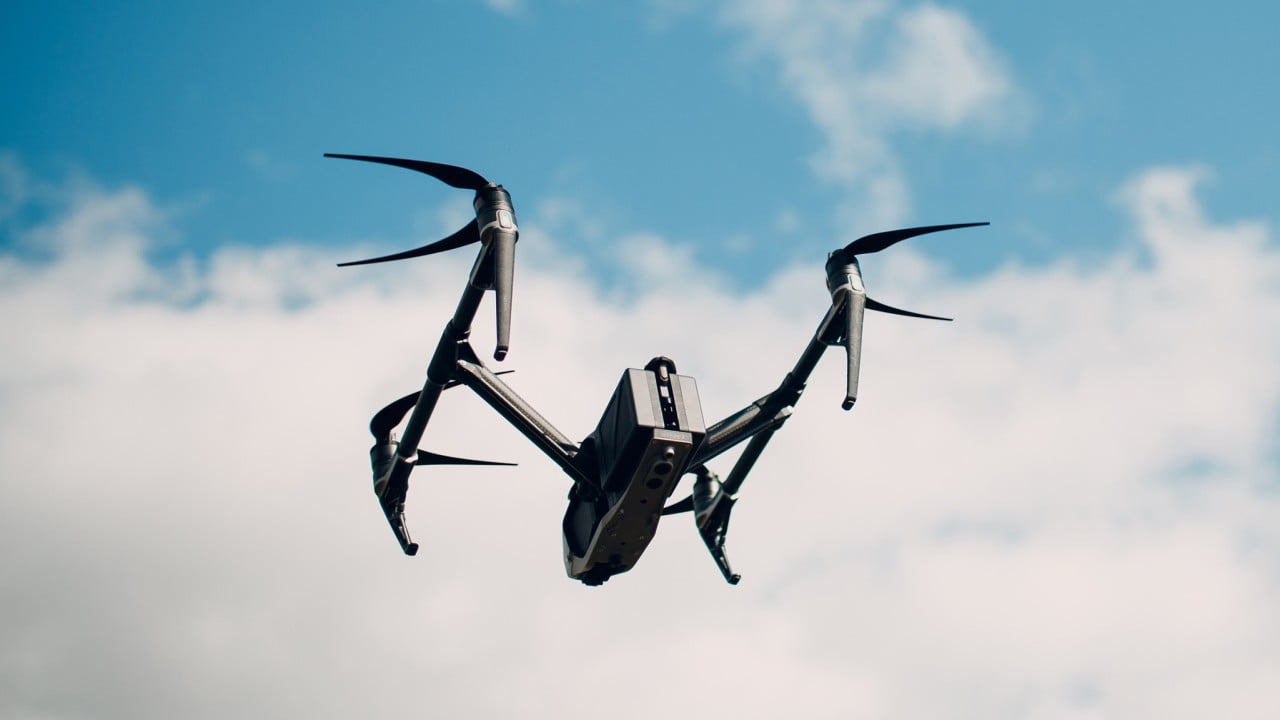
The recent news about DJI winning a partial reversal in its long-standing fight against the Pentagon’s blacklist has grabbed headlines, but if you think this is a total victory, you aren't paying attention. The reality of US-China relations today is far messier than a single court ruling. While DJI’s legal team scored a win, the underlying tensions that put them on a watchlist in the first place are only hardening.
The Reality of the DJI Court Ruling
A federal appeals court just ordered a lower court to take another look at why the Pentagon decided DJI contributes to China’s defense industrial base. The court didn't say the Pentagon was wrong. They basically said, "You didn't explain your logic well enough using the public record." It’s a procedural smackdown, not a exoneration.
The Pentagon isn't backing down. They’ve already expanded their blacklist to include nearly 200 companies, reflecting a deeper, systemic fear that private Chinese firms are inextricably linked to state security apparatuses. If you’re a business owner or a tech enthusiast, you need to understand that this isn't just about drones. It’s about a fundamental shift in how the United States views commercial ties with China. You can expect more litigation, more blacklists, and more uncertainty as both sides dig in.
Lessons From History
It's easy to look at current geopolitical friction and assume everything is black and white. It rarely is. Take the story of Dr. Ho Feng-Shan. Known to many as the "Chinese Schindler," he was a diplomat stationed in Vienna during the late 1930s. While his superiors in the Chinese government wanted to stay on good terms with Nazi Germany, Ho chose a different path. He issued thousands of visas to Jewish refugees, allowing them to escape to Shanghai and eventually find safety elsewhere.
He risked his career—and his life—to do the right thing when the political incentives were heavily tilted toward silence. He died before the world really recognized what he did. It took years for survivors to tell his story and for organizations like Yad Vashem to give him his due.
Why bring this up? Because it’s a sharp reminder that individuals within massive, grinding systems often have to make impossible choices. The current diplomatic "frost" between Washington and Beijing is creating a environment where personal integrity and corporate responsibility are under immense pressure. We aren't in the 1930s, but the feeling of being caught between two massive, colliding forces is something many international businesses feel right now.
What This Means For You
If you’re waiting for the US-China relationship to "normalize," you’re going to be waiting a long time. The era of frictionless global trade is behind us. Here is what you should actually do:
- Audit your supply chain. If you rely on technology or components from entities that could eventually land on a restricted list, you have a single point of failure. Don't wait for a federal mandate to force your hand.
- Track the classified evidence. The DJI case is shifting from a public debate to a private one involving classified evidence. Keep an eye on how courts handle the Pentagon’s reliance on "hidden" data. This sets the precedent for every other company caught in this crossfire.
- Plan for the 2027 deadline. There is a broader ban on buying certain products via third parties coming in 2027. If your business model relies on these items, start looking for alternatives now.
This isn't about being pro-China or pro-America. It's about being pro-survival in a market that is increasingly dictated by national security rather than traditional economic logic. The court might have handed DJI a lifeline, but the currents pulling the two nations apart are still very strong. Don't mistake a temporary legal reprieve for a change in the geopolitical forecast.
You’re basically navigating a storm that isn't expected to clear up anytime soon. Stay agile, diversify your dependencies, and don't count on the status quo holding firm. The fight for the future of trade is just getting started.