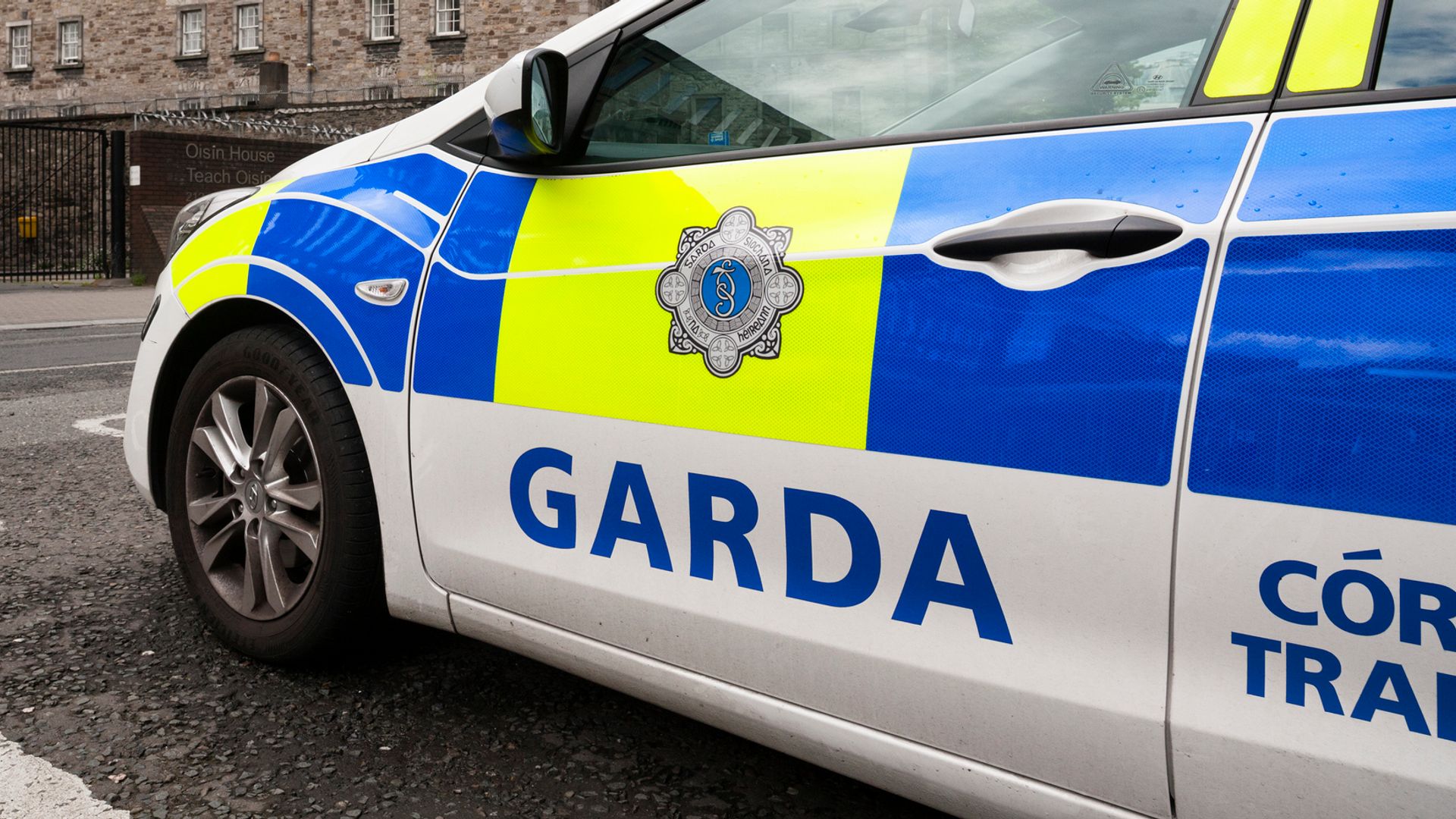
Security forces intercepted a massive, viable car bomb near the Irish border, disrupting an explosive device engineered to inflict maximum damage and political instability. The interception highlights a dangerous resurgence in violent dissident republican activity. Police units seized the vehicle during a targeted counter-terrorism operation, preventing what officials described as an extremely significant attack aimed at destabilizing the fragile peace along the frontier. Behind this thwarted plot lies a broader, troubling trend: paramilitary splinter groups are shifting tactics, adapting their logistics, and attempting to exploit lingering post-Brexit border tensions to regain momentum.
Dissident republican groups have spent years operating in the shadows of the 1998 Good Friday Agreement. While the mainstream political movement transitioned into parliamentary politics, violent offshoots like the Continuity IRA and the New IRA retained a commitment to armed struggle. Their capacity was severely crippled over the past decade by deep intelligence penetration and public rejection. Yet, the recent interdiction of a heavy, vehicle-borne improvised explosive device (VBIED) near the border signal a dangerous operational reset.
Engineering a functional car bomb requires more than raw ideological fervor. It demands an intact supply chain, specialized chemical knowledge, secure safehouses, and precise timing. The bomb seized in the border corridor was not a crude pipe device thrown during a street riot. It was a calculated, high-yield operation designed to destroy infrastructure and take human lives.
The Logistics of Modern Border Violence
To understand the mechanics of border security threats, one must look at geography and logistics. The Irish border stretches across roughly 310 miles, featuring over 200 public road crossings. This topography provides cover for illicit movements while making continuous surveillance virtually impossible.
Dissident cells exploit this terrain by decentralizing their command structures. Instead of storing large stockpiles of explosives in a single location, components are compartmentalized across multiple safehouses on both sides of the border.
- Precursor Procurement: Commercial fertilizers and industrial solvents are sourced incrementally through legitimate agricultural channels in the Republic of Ireland.
- Component Assembly: Detonators and secondary charges are constructed in rural sheds, far from heavy police monitoring.
- Vehicle Procurement: Stolen or "cloned" vehicles are fitted with fake registration plates, allowing them to blend into everyday commuter traffic along cross-border routes.
Police forces on both sides of the border, including the Police Service of Northern Ireland (PSNI) and An Garda Síochána, face an evolving tactical puzzle. Intelligence-led policing remains the primary defense. The successful interception of this latest VBIED was not a lucky traffic stop; it was the result of long-term wiretaps, human intelligence assets, and real-time electronic surveillance tracking the vehicle's movement toward its intended target.
Why the Border Corridor Remains Vulnerable
The political debate surrounding post-Brexit trade arrangements left the border region psychologically unsettled, even as physical infrastructure remained absent. Dissident groups thrive on political uncertainty. They use political instability to justify their actions to a small, radicalized recruit base.
The strategic goal of a VBIED deployment is rarely just physical destruction. It is an exercise in political theater. A successfully detonated car bomb forces security services to implement static checkpoints and heightened security protocols.
Static checkpoints are vulnerable. They create physical targets for snipers and command-wire devices. More importantly, visible military or police infrastructure along the border validates the dissident narrative that the region remains an occupied territory under military strain. By disrupting this operation before detonation, security services denied the attackers their strategic objective, but the underlying conditions that motivated the plot persist.
The Problem of Youth Recruitment
Intelligence reports indicate that while the core leadership of dissident organizations consists of aging figures from previous decades of conflict, the operational operatives are increasingly young.
Paramilitary handlers target marginalized youths in economically disadvantaged areas near the border. These recruits lack personal memory of the Troubles. They are fed an idealized narrative of armed struggle, stripped of the grim reality of prison sentences and loss of life.
Youths are initially assigned lower-risk tasks: transporting mobile phones, moving small packages, or monitoring police movements. Once compromised, they are pressured into higher-risk operations, including the transport of live explosive devices. This strategy creates a burnable layer of operational security for senior figures, who remain insulated from the physical risk of moving heavy ordnance.
Counter-Terrorism Operations Under Heavy Pressure
Maintaining peace requires constant vigilance from joint security operations. An Garda Síochána and the PSNI have developed unprecedented cross-border operational coordination. Information sharing occurs in near real-time, bypassing traditional diplomatic delays.
This cooperation faces intense operational hurdles.
| Operational Area | Security Challenge | Tactical Countermeasure |
|---|---|---|
| Cross-Border Surveillance | Jurisdictional limits at the political border. | Joint intelligence fusion units and shared communication channels. |
| Explosive Precursors | Easy availability of dual-use industrial materials. | Stringent regulatory audits on bulk chemical sales. |
| Digital Communications | Encrypted messaging apps used by cell leaders. | Signals intelligence and covert human intelligence operations. |
The interception of a major bomb proves that intelligence networks are functioning effectively, yet security experts view every successful interdiction with cautious realism. Counter-terrorism forces must succeed every single time. A dissident cell only needs to succeed once to reset the political landscape and cause mass casualties.
The physical threat posed by the intercepted VBIED was contained, but the intent behind it remains active. As long as criminal networks, socio-economic alienation, and historical grievances intersect along the border, security forces will remain in a continuous, high-stakes race against the next attempt.


