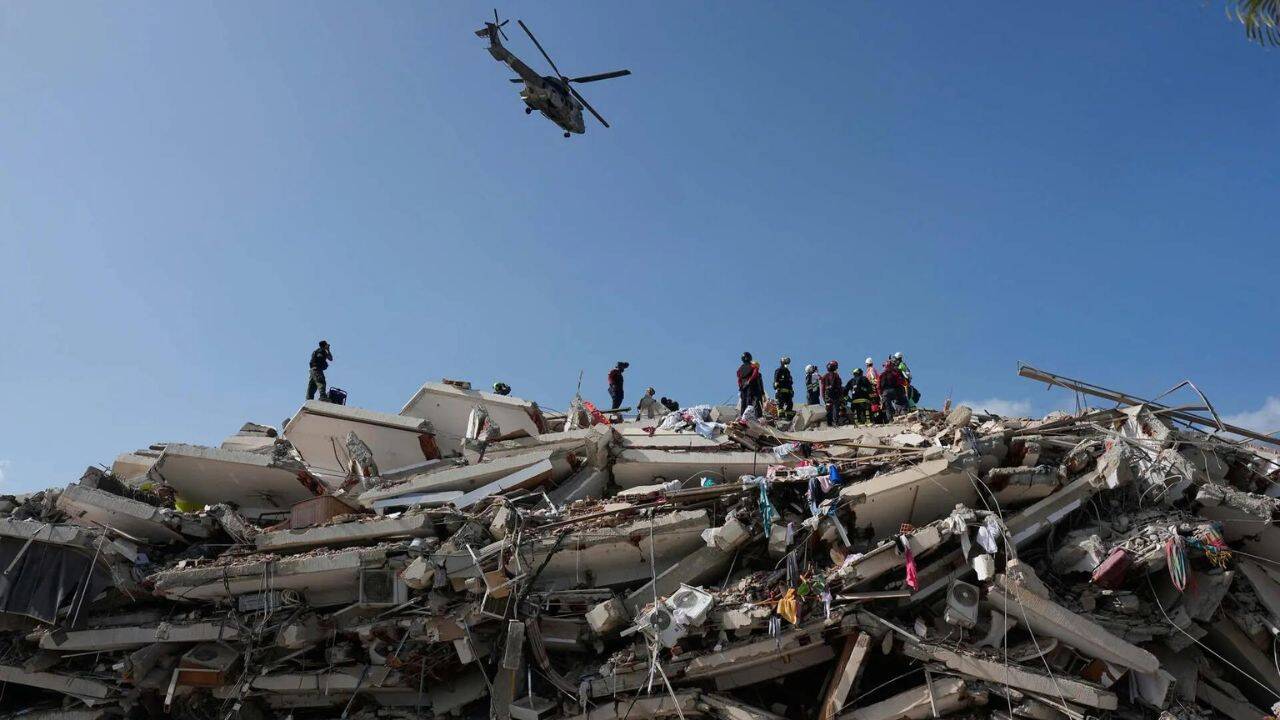
The media wants you to hate the guy holding a selfie stick in a disaster zone.
Following the devastating 1,430-casualty earthquake in Venezuela, the mainstream press predictably weaponized local grief. Outrage-bait headlines scream about "selfie-taking tourists" disrespecting the dead, painting a picture of pure, unadulterated Western narcissism clashing with tragedy. It is an easy story to write. It triggers instant moral superiority.
It is also completely wrong.
The lazy consensus states that onlookers, digital nomads, and citizen journalists are purely parasitic. The reality of modern crisis economics tells a different story. In a hyper-connected world where state infrastructure collapses within minutes of a major fault line rupture, attention is the only currency that consistently clears the border. The very people being vilified for "doing nothing but posting" are inadvertently anchoring the financial and informational pipelines that keep survival operations alive.
Stop demanding that every visitor pick up a shovel. Start looking at how the attention economy actually funds the rebuild.
The Myth of the Helpful Amateur
Every time a catastrophe hits, the public demands a specific flavor of performative solidarity. They want bodies on the ground. They want untrained volunteers flying into a collapsed logistics hub to move concrete blocks by hand.
As anyone who has actually managed supply lines during a crisis will tell you, untrained volunteers are usually a liability, not an asset. They consume scarce clean water. They clog up local transit networks. They occupy hospital beds when they inevitably get dehydrated or injured.
In contrast, the "selfie-tourist" provides something the traditional aid complex handles poorly: friction-free, decentralized visibility.
When international media outlets pack up their satellite dishes after forty-eight hours because a new political scandal breaks at home, who keeps the digital spotlight on the ground? The creators. The citizen reporters. The individuals document-sharing via decentralized networks.
Consider the mechanics of modern algorithmic distribution. A highly polished, sterile report from a legacy news agency rarely penetrates the feeds of the under-thirty demographic. A raw, polarizing, or even self-indulgent video from an individual on the ground does.
The Algorithmic Tax on Compassion
Global aid is no longer distributed by merit; it is distributed by impressions. If a crisis does not trend, the money does not flow.
- The Visibility Metric: The volume of crowd-sourced media from a disaster zone directly correlates with the spikes in micro-donations via independent crypto wallets and direct peer-to-peer payment platforms.
- The Decentralization Advantage: Traditional NGOs spend up to forty percent of their capital on administrative overhead, security details, and bureaucratic box-checking. Direct digital exposure cuts out the middleman. A local creator tagging a specific neighborhood hub can bypass the bottleneck of central government distribution entirely.
This is not a defense of bad manners. Standing in front of a collapsed medical center to capture the perfect lighting is distasteful. But conflating poor etiquette with economic harm is a critical analytical failure. The outrage machine focuses entirely on the optics while ignoring the structural capital injection that follows internet traffic.
Dismantling the Victim Passive Narrative
The standard media framework requires victims to remain perfectly tragic and completely helpless to deserve sympathy. The moment locals interact with outsiders for financial gain—selling eSIM cards, offering translation services, or guiding content creators through safe pathways—the narrative shifts to exploitation.
This patronizing view assumes that affected populations lack agency. In reality, local entrepreneurial networks adapt instantly to the influx of foreign attention. If a content creator pays a local driver ten times the standard rate to navigate a damaged road, that is not exploitation; it is a direct, unregulated capital transfer to a family that needs it immediately.
The alternative is waiting for a multinational agency to approve a grant three months later. By then, the economic damage is permanent.
The Dark Side of the Ledger
An honest assessment requires acknowledging the trade-offs. The attention economy is fickle, hyper-visual, and inherently unequal.
Areas with better connectivity and more photogenic ruin receive disproportionate focus, leaving rural or less accessible sectors invisible. Furthermore, the reliance on viral algorithms incentivizes sensationalism over nuance.
But demanding an idealist, dignified recovery process that relies solely on institutional goodwill is a fantasy. The institutions are broke, slow, and compromised by geopolitical posturing. The chaotic, vanity-driven internet ecosystem is the fallback infrastructure we actually have.
The next time you see a headline condemning the digital vultures circling a tragedy, look past the outrage. Look at the data routing, the peer-to-peer transaction volume, and the sustained global awareness. The selfie stick is not the weapon destroying crisis recovery; it is the antenna broadcasting it to the world.