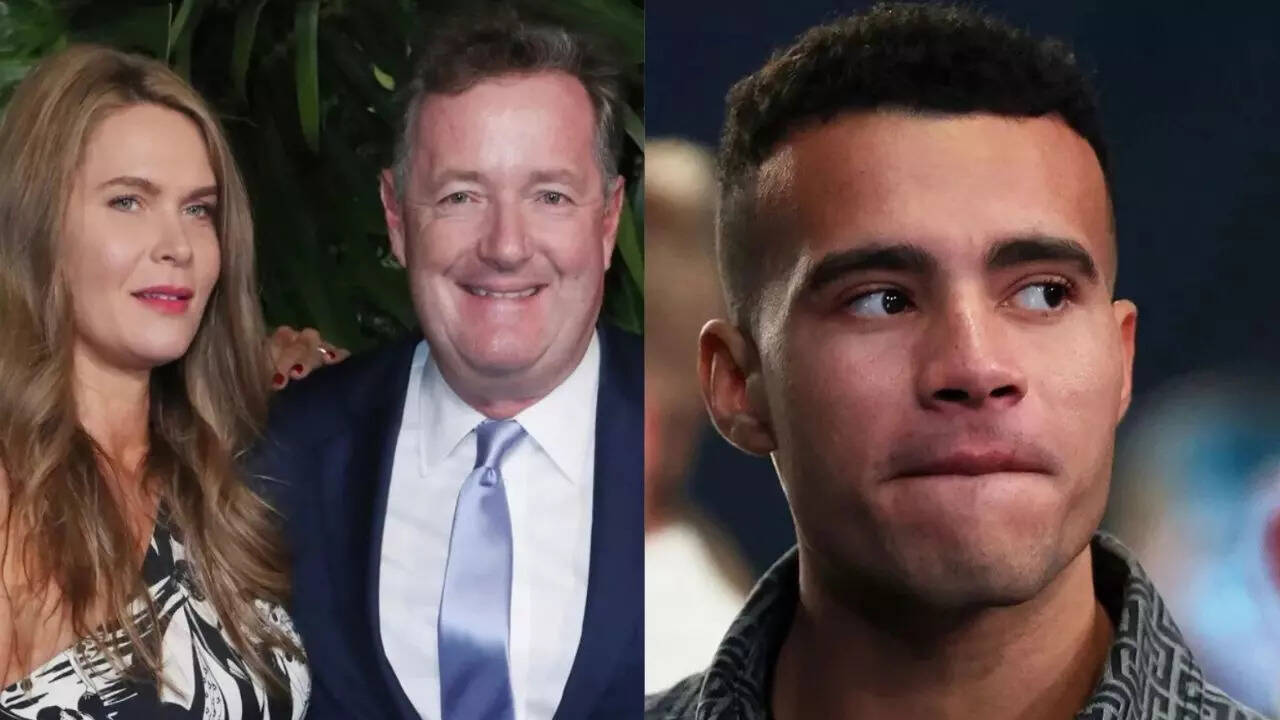
The feud between Harrison Sullivan, known globally as HSTikkyTokky, and veteran broadcaster Piers Morgan has transcended a mere clash of egos. It now represents a dangerous shift in how digital influence is wielded as a weapon of coercion. What began as a contentious interview on Piers Morgan Uncensored—a platform designed to thrive on high-friction dialogue—has curdled into a standoff involving threats of non-consensual image distribution and demands for a public apology. Sullivan’s ultimatum is simple and brutal. He claims he will leak private photographs of Morgan’s wife unless the presenter issues a formal retraction for what Sullivan perceives as disrespectful treatment during their broadcast exchange.
This isn't just another internet spat. It is a case study in the erosion of traditional media power and the rise of a new, unregulated class of influencers who view ethical boundaries as optional hurdles. When a content creator with millions of impressionable followers feels empowered to use family members as collateral in a professional disagreement, the mechanics of public discourse are fundamentally broken. We are no longer discussing "clout chasing." We are discussing the normalization of digital extortion.
The Interview That Broke the Social Contract
The catalyst for this escalation was an interview that followed a predictable script until it didn't. Piers Morgan has built a late-career brand on inviting "disruptors" onto his show to deconstruct their logic or, more often, to provide a stage for their inevitable self-combustion. Sullivan, a fitness influencer turned general-purpose provocateur, initially appeared to be playing the game. The tension peaked when Morgan questioned the substance of Sullivan’s lifestyle and the source of his wealth, a standard line of inquiry for any journalist facing a guest whose primary product is "aspiration."
Sullivan’s reaction, however, moved beyond the studio. In the days following the broadcast, he took to his own channels—where he maintains direct, unfiltered access to his audience—to launch a retaliatory campaign. He didn't just critique the editing or the line of questioning. He targeted Morgan’s domestic life. By threatening to release sensitive imagery of a third party who has no involvement in the professional dispute, Sullivan bypassed the unspoken rules of media engagement. In the old world, a bad interview ended when the cameras turned off. In the current environment, the interview is just the first act of a multi-platform war.
The Mechanics of Modern Coercion
The leverage Sullivan attempts to use relies on the speed and permanence of the internet. A "leak" today is not like a tabloid headline from twenty years ago. It is an unstoppable flood of data that reaches millions before a legal injunction can even be drafted. Sullivan understands this power dynamic perfectly. He isn't appealing to a court of law; he is appealing to the chaotic energy of his "community."
This strategy reveals a grim reality about modern celebrity. For someone like Sullivan, there is no downside to being the villain. Negative attention translates to engagement, engagement translates to algorithm favorability, and algorithm favorability translates to revenue. The threat itself is the content. By positioning himself as the "wronged" party demanding an apology, he frames his extortion as an act of justice. It is a psychological inversion that resonates with a demographic that views traditional media figures as out-of-touch elites who deserve to be taken down by any means necessary.
The Myth of the Level Playing Field
We often hear that social media "democratized" the news. That is a sanitized way of saying it removed the filters. While those filters often protected the status quo, they also provided a baseline of conduct. When Morgan interviews a politician, there is a shared understanding of the stakes. When he interviews a creator who has built a brand on being "unfiltered" and "unpredictable," those stakes disappear. Sullivan has nothing to lose in terms of institutional reputation because he doesn't belong to any institution.
The asymmetry of this conflict is what makes it so potent. Morgan is tethered to a network, advertisers, and a long-standing public persona that requires at least a veneer of professional standards. Sullivan is a sovereign digital entity. If he is banned from one platform, he migrates to another. If he is criticized by the press, he uses that criticism as proof of his authenticity. This makes the threat of a "photo leak" a particularly jagged tool; it is a weapon that Morgan cannot effectively counter with the same tactics without destroying his own credibility.
The Collateral Damage of the Attention Economy
At the heart of this feud is a person who never signed up for the conflict. Celia Walden, Morgan’s wife and an accomplished journalist in her own right, has become the "leverage" in a dispute over a YouTube personality’s ego. This is the dark underbelly of the "tradwife" or "family-centric" content trends that dominate parts of the social web. Private lives are no longer off-limits; they are assets to be traded or burned.
The threat of leaking photos—regardless of whether those photos actually exist or what they contain—is a form of digital violence. It aims to humiliate and silence through the threat of exposure. By using this tactic, Sullivan isn't just attacking Morgan; he is setting a precedent for every other creator with a grievance. If the "HSTikkyTokky" method of negotiation becomes the standard, then any public figure who asks a difficult question or provides a platform for a critical interview puts their entire family at risk of digital reprisal.
Why the Apology is Irrelevant
Sullivan’s demand for an apology is a tactical distraction. He likely doesn't care about the words themselves. What he wants is the visual of a high-profile media titan bowing to his will. It is a power play designed to signal to his followers that the "new guard" can break the "old guard." If Morgan apologizes, Sullivan wins by proving he can bully the media. If Morgan refuses, Sullivan continues to generate "leak" hype, keeping his name in the cycle for another week of monetization.
This creates a "no-win" scenario for traditional media. Engaging with the threat validates it. Ignoring the threat allows it to fester in the unregulated corners of the web. The legal system, usually the arbiter in such matters, moves at a glacial pace compared to a "Story" post on Instagram or a "Kick" stream. By the time a lawyer can send a cease-and-desist, the "threat" has already served its purpose of boosting the influencer’s metrics.
The Failure of Platform Governance
Where are the platforms in this? The reality is that companies like X, Instagram, and Rumble are often slow to act on threats of this nature unless the "leak" actually occurs. Even then, the damage is done. The business model of most social media platforms is built on friction. They don't just host the content; they profit from the outrage it generates.
Sullivan’s behavior is a direct product of an environment that rewards escalation. There is no incentive for him to be civil. There is every incentive for him to be as outrageous as possible. When the platforms prioritize "watch time" over ethical standards, they create the vacuum that people like Sullivan fill. They have effectively outsourced the role of the editor to an algorithm that doesn't know the difference between a breaking news story and a blackmail attempt.
A Pattern of Escalation
This isn't an isolated incident in the "manosphere" or the broader influencer world. We have seen a steady increase in "doxxing," "swatting," and now the threat of leaking private images as a way to settle scores. These are the tools of the disenfranchised, now being used by the ultra-wealthy digital elite to protect their brands. Sullivan’s fitness and lifestyle content may seem benign on the surface, but the underlying mechanism is one of dominance.
The shift from "I disagree with you" to "I will ruin your family life" is a short jump when the person making the threat feels untouchable. Sullivan operates in a world where "cancel culture" is a badge of honor, not a deterrent. This makes him, and others like him, uniquely dangerous to the existing media order. They are not looking for a seat at the table; they want to flip the table over and sell the footage.
The Professionalization of the Troll
What we are witnessing is the professionalization of trolling. Sullivan isn't just a guy with a camera; he is a businessman who understands that conflict is his most valuable commodity. The "feud" with Morgan is a marketing campaign. The "apology" is the hook. The "leak" is the cliffhanger.
For the industry analyst, the takeaway is clear: the traditional power to "vet" or "expose" guests has been neutralized. When the person you are exposing has already exposed themselves for profit, you have no leverage. Morgan’s mistake was perhaps believing that Sullivan played by the same rules of reputation and shame that govern the London or New York media circles. He doesn't. In the world of HSTikkyTokky, shame is just another word for a missed revenue opportunity.
The Future of the Public Interview
If this is the new baseline, the future of high-profile interviews looks bleak. We will see a retreat into "safe" spaces where influencers only speak to other influencers who won't challenge them, or we will see a surge in restrictive legal contracts before any camera starts rolling. The era of the "unfiltered" clash may be dying, replaced by a much more litigious and paranoid landscape.
Broadcasters will have to decide if the ratings boost from a controversial guest is worth the potential for a personal security crisis. Meanwhile, creators will continue to test the limits of what they can get away with. Sullivan has pushed the line further than most, moving the conversation from a disagreement about "character" to a direct threat against a private individual.
The media landscape is currently a playground for those who have mastered the art of the threat. Piers Morgan, a man who has made a career out of being the provocateur, has found himself in the crosshairs of a generation that has perfected the craft. It is a brutal reminder that in the digital age, everyone is a target, and the only rule is that there are no rules.
Do not expect a resolution that involves a return to civility. The incentives for such a outcome simply do not exist in the current economy of attention. Instead, watch for the next escalation, the next "ultimatum," and the next person to be used as a pawn in a game that has no ending.
Investigate the digital footprints of these creators before granting them the oxygen of mainstream legitimacy.
[/article]