We used to pack our lives into leather suitcases. Passport, birth certificate, faded photographs of grandparents tucked neatly behind a cracked plastic sleeve. Border agents would flip through the pages, stamping ink onto paper, looking for a physical watermark of authenticity.
That border has moved.
It now lives quietly inside the pocket of your trousers, glowing softly against your thumb.
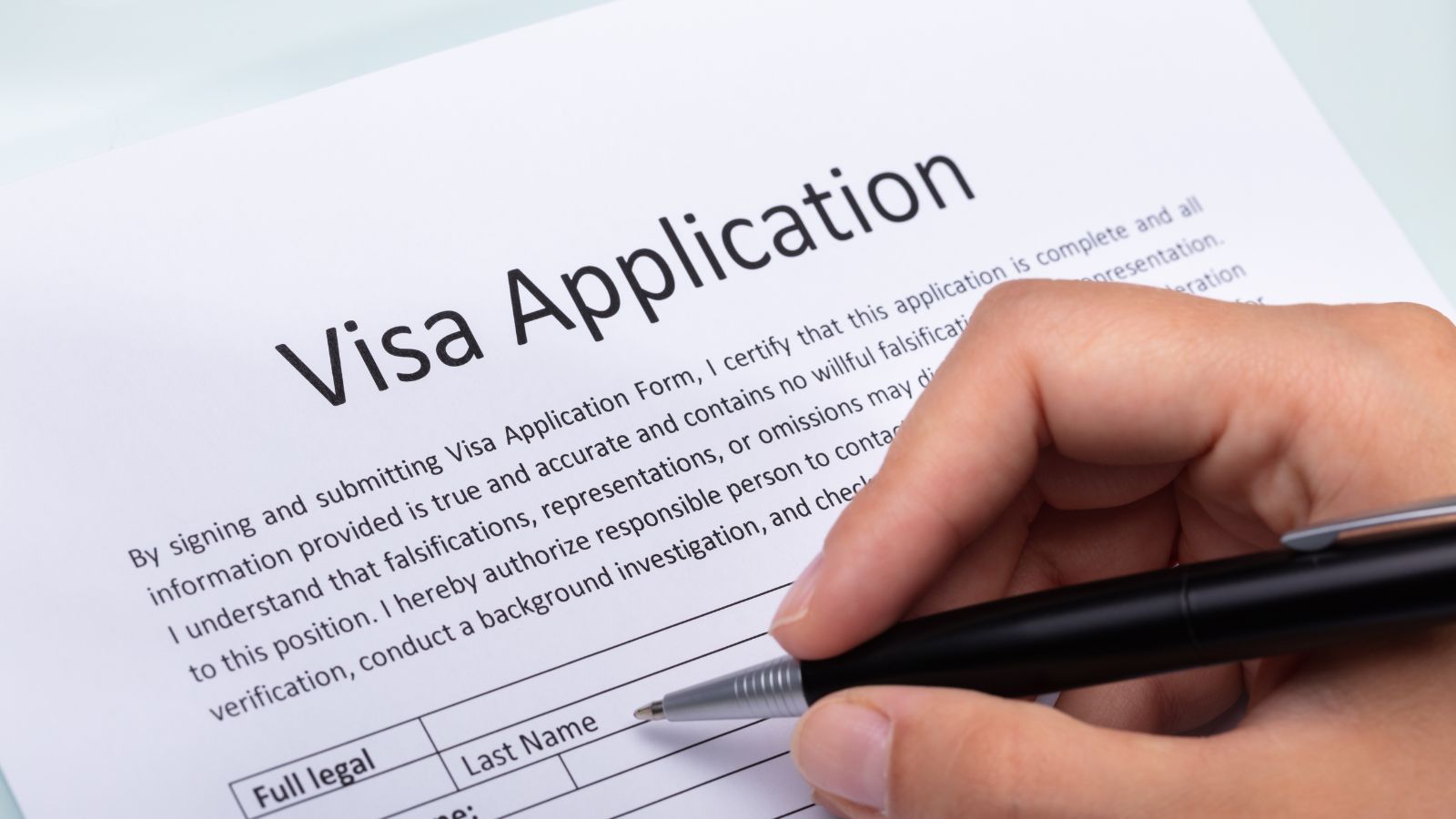
Consider what happens next under the expanding policy frameworks quietly taking shape within the United States State Department. According to internal memorandums brought to light via reporting from outlets like The Daily Signal and acknowledged through the administrative machinery of the current White House, the federal government is widening its net of online presence vetting. This is not merely an update to a digital form. It is a fundamental rewiring of who gets to look at America, and who gets looked at in return.
Picture a journalist sitting in a cramped apartment in Berlin or Buenos Aires. Let us call her Elena. For a decade, Elena has chased truth through the debris of political corruption and corporate malfeasance. She applies for a work visa to report from within the borders of the United States. Under the reported expansion of social media screening protocols, Elena’s application will soon demand something intimate and absolute.
Unlock your profile. Make it public. Hand over the keys to your digital autobiography.
The State Department maintains that these screening and vetting procedures are vital. Officials argue that online presence vetting ensures applicants are legally eligible and pose no threat to public safety. National security demands vigilance. Few would argue against the imperative of keeping a nation safe. But when vigilance begins scanning the subtext of a foreign reporter's online history—scrutinizing past commentary, shared articles, or caustic midnight jokes about foreign leaders—the boundary between security clearance and ideological conformity begins to blur.
The rules are tightening across the board. Foreign journalists face compressed maximum stays, capped under recent guidelines at two hundred and forty days without an approved extension. International students find their academic timelines restricted. Even certain professional workers hailing from across the northern and southern borders find themselves pulled into deeper digital examination.
Security has an appetite. It rarely shrinks; it only expands to fill the available space.
Think about how human memory works. We post impulsively at three in the morning. We vent about institutional failures, retweet satire, or engage in heated debates over foreign policy. We scatter fragments of our evolving consciousness across virtual platforms, treating them like digital coffee shops rather than permanent dossiers.
Now, imagine those scattered fragments laid out on the mahogany desk of a consular officer.
Context evaporates. Nuance dies under the cold glare of a checklist. If an automated script or a hurried bureaucrat flags a phrase deemed anti-American, or catches a dissenting view on global conflicts, the visa is denied. There is no jury. There is no appeal to a higher court. There is only the silent rejection letter citing administrative discretion.
This is the invisible stake of our modern administrative state. We have traded the physical checkpoint for the algorithmic filter.
When foreign journalists are made to fear that an errant tweet or a critical essay written years prior could lock them out of reporting on American institutions, a quiet self-censorship takes root. They begin to edit their thoughts before the visa application is even printed. They sanitize their digital footprints. And when the press—even foreign press reporting from within—begins to look over its shoulder at its own historical timeline, the ecosystem of free information contracts for everyone.
The border is no longer a physical line drawn in the dirt between rivers and mountain ranges. It is a firewall built out of your past expressions, scanned by a government trying to look through the glass screen of your mobile device to read the private history of your public mind.