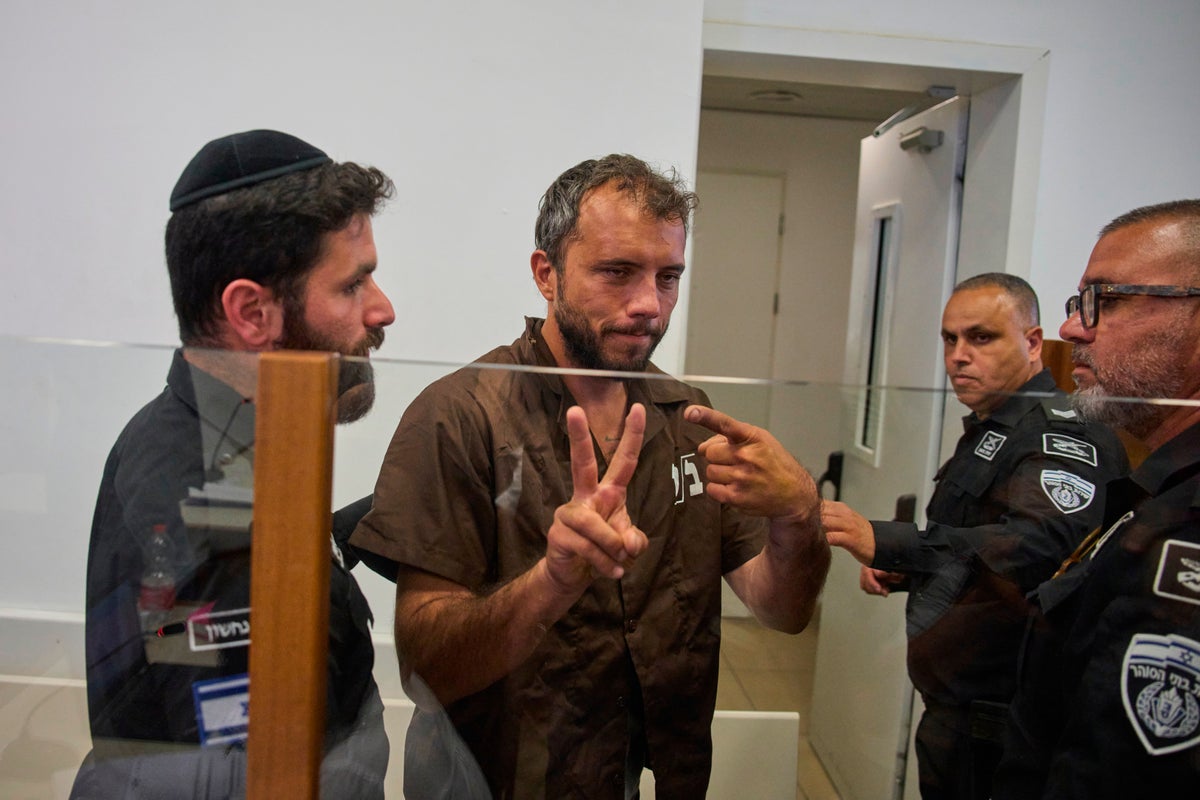
Israel's decision to extend the detention of two high-profile activists has turned a high-seas confrontation into a full-blown diplomatic crisis. On Sunday, a court in Ashkelon ruled that Saif Abu Keshek and Thiago Ávila must remain in custody for at least two more days. This isn't just about a legal hearing in a small coastal city; it’s a flashpoint that's pushed Spain and Brazil to accuse Israel of outright "abduction" and "piracy."
If you’re wondering why this specific incident is blowing up now, it’s because it happened in international waters—specifically, more than 600 nautical miles from Gaza’s coast. That's a massive distance. When Israeli commandos intercepted the Global Sumud Flotilla near the Greek island of Crete, they weren't in Israeli territory. They weren't even in a "blockade zone." They were in the middle of the Mediterranean, operating under rules that Spain and Brazil say simply don't exist.
The legal vacuum of international waters
The core of the outrage from Madrid and Brasília is the location of the arrests. Spanish Foreign Minister Jose Manuel Albares didn't mince words, calling the detention "flagrantly illegal." From a legal standpoint, the argument is straightforward: if you take someone by force in international waters without a clear mandate from a recognized international body, it’s not an arrest. It’s a kidnapping.
- Saif Abu Keshek: A Spanish national living in Barcelona.
- Thiago Ávila: A well-known Brazilian activist.
- The Location: Near Crete, Greece, hundreds of miles from the Gaza blockade line.
Brazil and Spain issued a joint statement warning that this action violates international law and could be treated as a criminal offense in their respective national courts. You don't often see two major nations from different continents teaming up to accuse a third country of sea-based crimes so bluntly. It shows just how much diplomatic capital Israel is burning through to maintain its maritime blockade.
Harsh conditions and allegations of brutality
The reports coming out of Shikma prison are grim. Lawyers from the rights group Adalah finally met with the pair, and the details are disturbing. Thiago Ávila claims he was subjected to "extreme brutality" during the seizure of the boats. He describes being dragged face-down across the deck and beaten so badly that he lost consciousness twice.
Once they reached Israel, the treatment didn't improve. Ávila says he's been kept in isolation and blindfolded. Abu Keshek was reportedly forced to lie face-down on the floor for the entire journey from the Mediterranean to Israel, his hands tied and eyes covered. For Spain and Brazil, seeing their citizens treated this way after being taken from international waters is a red line.
The Hamas link accusation
Israel’s justification for these arrests centers on a specific organization: the Popular Conference for Palestinians Abroad (PCPA). The Israeli Foreign Ministry claims both men are affiliated with this group, which the US Treasury has sanctioned. According to the Israeli narrative, the PCPA acts as a front for Hamas.
By framing this as a security operation against a sanctioned entity, Israel is trying to shift the conversation away from "piracy" and toward "counter-terrorism." However, the activists and their supporters argue this is a convenient label used to criminalize humanitarian aid. They point out that the Global Sumud Flotilla was carrying 175 volunteers from 70 different countries. Are they all "security threats"? Probably not.
A worsening rift with Spain
You have to look at the broader context of Israel-Spain relations to see why this is so explosive. Relations have already "nosedived," as diplomats put it. Spain’s Prime Minister Pedro Sanchez has been one of the most vocal critics of the military campaign in Gaza. Both countries have already pulled their ambassadors.
This latest incident isn't just a bump in the road; it's a structural collapse of the relationship. When a government like Spain's calls an ally's actions "illegal detention," they aren't looking for a compromise. They're looking for a fight in the international courts.
What happens next for the activists
The Ashkelon court will hear the case again on Tuesday. Israeli prosecutors originally wanted a four-day extension, but the judge only gave them two. This suggests the court is at least somewhat aware of the international pressure cooker it's sitting in.
If you're following this, watch for:
- Consular Access: Spain and Brazil are demanding immediate, unrestricted access to their citizens.
- The New Flotilla: Even as these two men sit in cells, the Freedom Flotilla Coalition has launched four more vessels from Sicily.
- Legal Escalation: Look for Spain to potentially file a formal complaint with the International Criminal Court (ICC) specifically regarding the maritime interception.
Israel is doubling down on its "security first" policy, but with the Global Sumud Flotilla gaining massive international attention, the cost of that policy is rising. The next 48 hours will determine if this remains a legal dispute or becomes the catalyst for a much wider diplomatic break between Israel and its remaining partners in the West and the Global South.
If you care about international law and the right to provide humanitarian aid, keep your eyes on that Ashkelon courtroom this Tuesday. The decision there will ripple far beyond the Mediterranean.