The cardamom smells different in Dubai than it does in Kochi.
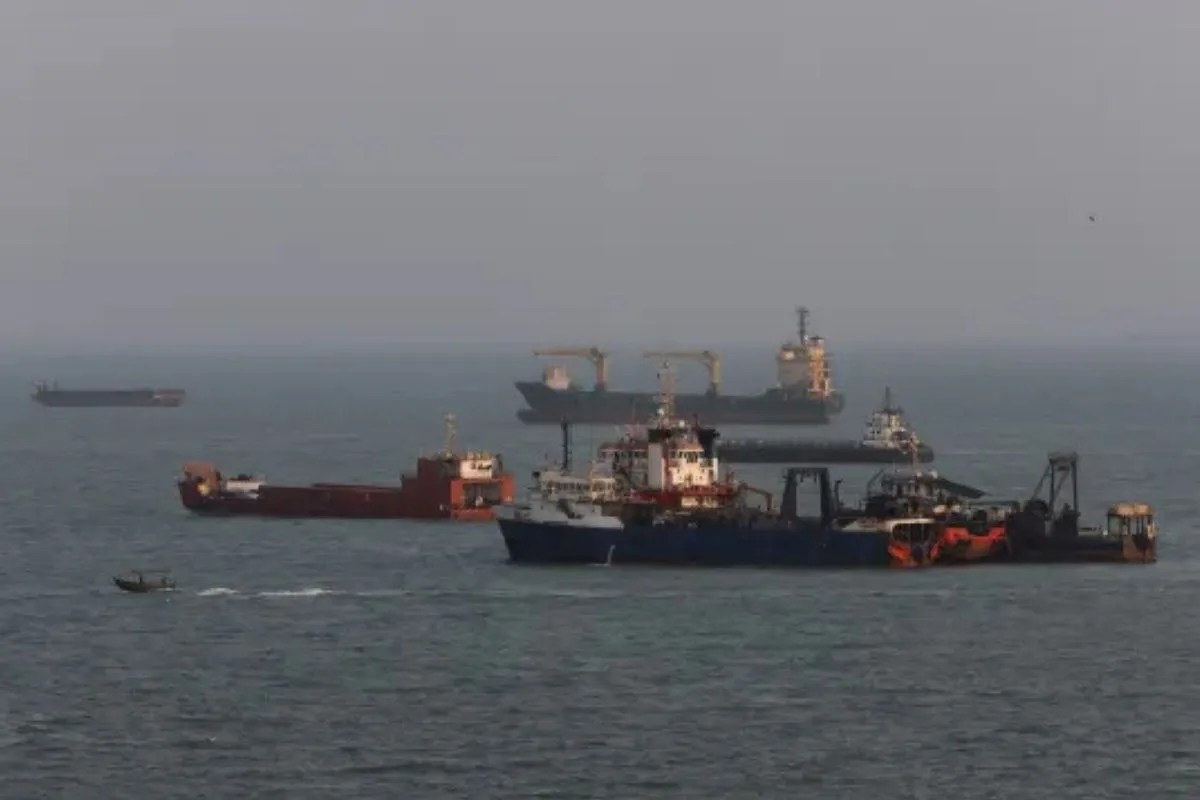
In Kerala, it carries the wet, heavy breath of the monsoon, harvested by hands that have known the same mud for generations. In the souks of the United Arab Emirates, that same green pod is weighed on brass scales for merchants whose grandfathers traded pearls for rice. For centuries, these two worlds were bound by the simple, merciless rhythm of the monsoon winds. Dhows crossed the Arabian Sea when the skies permitted, trading spices and gold in an unspoken partnership older than modern borders.
Today, those dhows are container ships the size of skyscrapers, and the wind has been replaced by the quiet, high-stakes diplomacy of a free trade agreement.
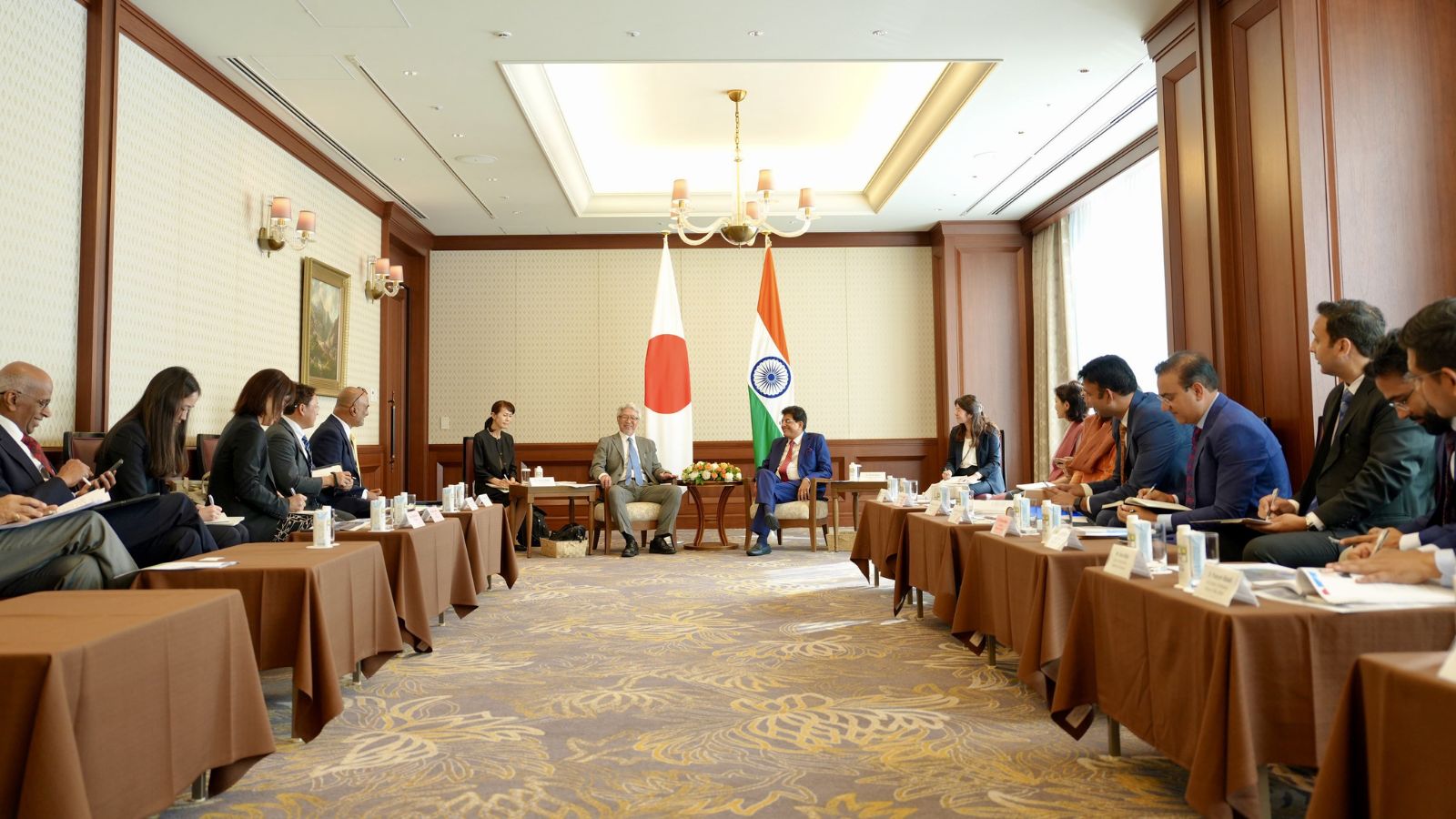
Imagine, for a moment, sitting in a glass-walled conference room in New Delhi or Riyadh. (I use the word "imagine" not as a cliché, but because the actual rooms where these deals are struck are utterly devoid of romance; they smell of stale coffee, expensive wool, and nervous ambition.) Bureaucrats slide heavy binders across polished walnut tables. They argue over tariff lines for petrochemicals, rules of origin for textiles, and market access for digital services. It looks dry. It sounds bureaucratic.
It is nothing short of a complete rewiring of the global economy.
Consider what happens next when these negotiators finally shake hands.
To understand why the recent high-level discussions between India and the Gulf Cooperation Council bloc matter so deeply, you have to look past the acronyms. Trade pacts are rarely about numbers on a spreadsheet. They are about people like Tariq, a hypothetical logistics manager whose real-world counterpart I spent an afternoon interviewing in a dusty warehouse outside Sharjah last winter.
Tariq spends his days watching digital manifests tick across a monitor. Every delay at the port costs his company thousands of dollars. Every bureaucratic hurdle between a factory in Gujarat and a distribution center in Abu Dhabi adds pennies to the cost of a jacket, a smartphone, or a bag of basmati rice. When governments talk about reducing non-tariff barriers, Tariq hears something simpler: time. Time to see his daughter before she falls asleep. Time to clear a backlog before the fiscal quarter closes.
The GCC-India partnership is an industrial marriage born of necessity and ambition. On one side stands India, a demographic engine humming with young engineers, vast manufacturing potential, and a desperate hunger for secure energy. On the other side stands the Gulf bloc, wealthy sovereign funds and desert nations actively racing against a post-oil horizon, pouring capital into logistics, technology, and food security.
They need each other. Yet, getting from mutual need to a signed, comprehensive free trade agreement is an exercise in diplomatic patience.
The sticking points are never simple. India worries about protecting its domestic dairy and agricultural sectors from subsidized imports. The Gulf nations look at India's vast labor market and push for mobility frameworks that make it easier for professionals and blue-collar workers alike to cross borders. Energy security dances a delicate tango with climate commitments. Every clause is a knot of conflicting national interests.
Yet, the momentum is undeniable.
Look at the numbers, but feel the reality behind them. Bilateral trade between India and the Gulf bloc has already smashed past historical highs, hovering around the hundreds of billions of dollars. Millions of Indian expatriates live and work in the Gulf, sending billions back home in remittances that keep rural economies afloat. These aren't just macroeconomic data points. They are the school fees paid in Punjab, the hospital bills covered in Kerala, and the skyscrapers gleaming against the desert night in Doha and Dubai.
When officials from India and the Gulf bloc sit down to map out the next steps of their economic partnership, they are building invisible bridges over the water.
A comprehensive economic partnership agreement already signed between India and the UAE serves as the template. It showed that bilateral deals could bypass the sluggish pace of multilateral trade talks. Now, the ambition is to scale that success across the entire Gulf bloc—tying India’s immense consumer base and technological backbone to the sovereign wealth and geographic choke points of the Middle East.
If you trace the supply chains of tomorrow, they do not run exclusively through the traditional corridors of the West. They run across the Arabian Sea. They run through a web of ports, digital corridors, and bilateral investment treaties that bypass old gatekeepers.
The diplomats will keep meeting. The draft texts will go through another dozen revisions, marked by red ink and fierce debate. Lawyers will argue over the precise legal definition of a regional value content requirement.
But out on the water, the ships keep moving.
Tariq will watch his monitor, waiting for the green light that means another cargo has cleared without friction. A farmer in Maharashtra will load another sack of rice, hoping the new tariffs will let him compete on shelves a thousand miles away. And somewhere in the quiet spaces between the monsoon coast and the desert dunes, the future of global trade is being written, one concession at a time.