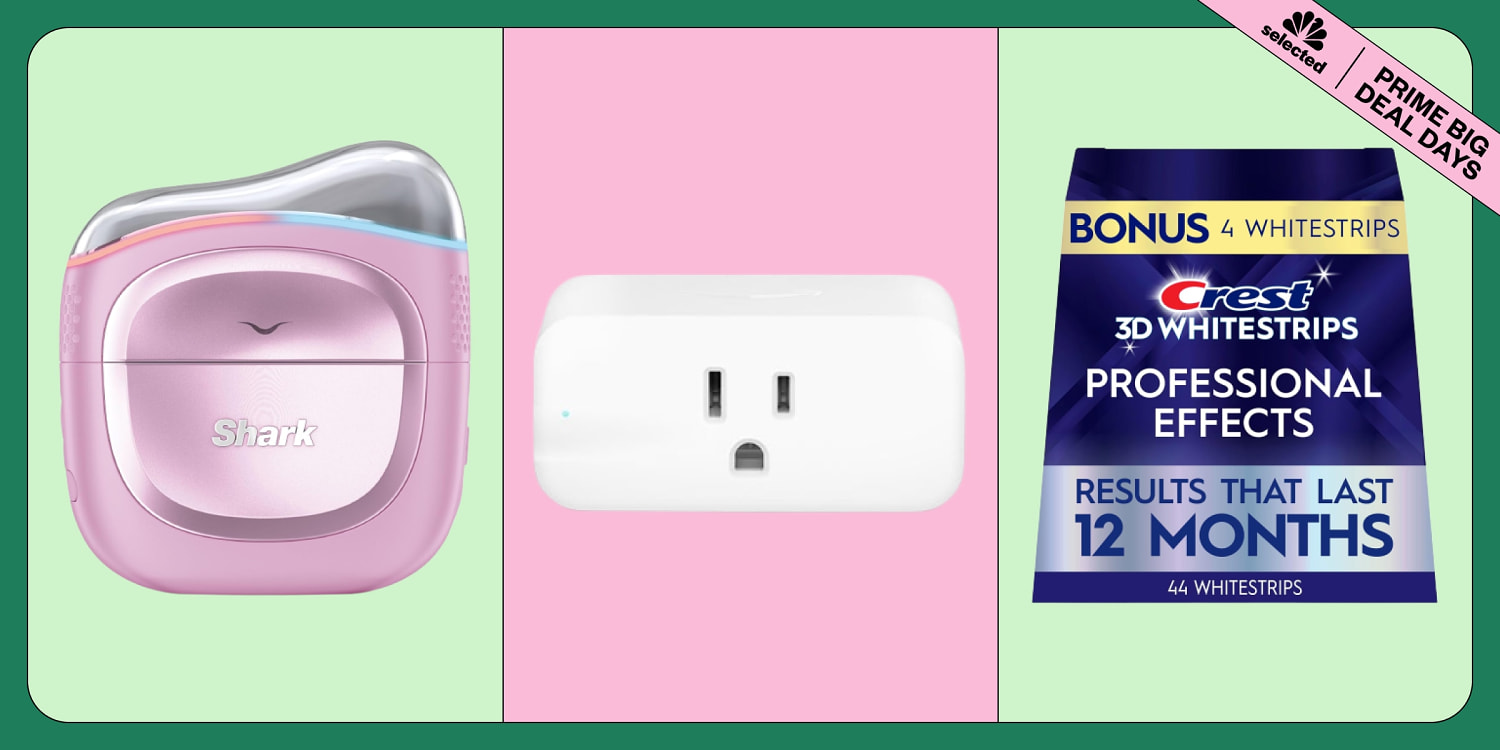
Retail promotional mechanics have shifted from discrete holiday peaks to continuous margin compression cycles. The emergence of autumnal sales windows, exemplified by off-cycle retail inventory clearings, represents an operational necessity rather than a consumer celebration. Retailers face rising holding costs, shifting supply chain velocity, and liquidity constraints that force capital liquidation before fourth-quarter inventory arrivals. Understanding the architecture of these events requires examining inventory turnover ratios, warehouse carrying charges, and consumer price elasticity models.
Warehouse holding costs compound daily. When logistics networks experience congestion or seasonal demand miscalculations, capital gets trapped in stagnant stock. October promotional windows serve as a balance sheet correction mechanism. By reducing retail prices to marginal cost or below, firms trade near-term margin erosion for liquidity and warehouse capacity. This structural reality dictates which items receive promotional prioritization. Inventory velocity, obsolescence risk, and cubic foot storage expenses determine discount depth, not consumer goodwill.
Product selection during these events follows a strict hierarchy driven by manufacturer co-op funding and shelf-life metrics. High-velocity consumer electronics, smart home hardware, and consumable goods populate the primary discount tiers because manufacturers subsidize the price cuts to maintain market share metrics. Conversely, slow-moving or low-turnover legacy hardware receives aggressive markdowns solely to eliminate zero-return capital allocation. Dissecting a promotional catalog requires mapping these incentives. When a discount exceeds thirty percent on a mature hardware SKU, it indicates an impending product refresh cycle or an acute holding cost threshold reached by the vendor.
Consumer behavior models reveal that off-cycle shopping events attract two distinct buyer profiles. The first comprises pragmatic utility-maximizers executing pre-planned capital expenditure during a localized low-price window. The second consists of impulse buyers responding to artificial scarcity signals and markdown anchors. Retailers exploit this dichotomy through price anchoring, where list prices are maintained at artificial highs to make promotional velocities appear extraordinary. True market value on these dates is established by the marginal utility of the item weighed against alternative purchasing windows, such as traditional November retail liquidations.
The long-term impact of continuous promotional events alters consumer price memory. When baseline prices fluctuate downward every quarter, consumers anchor their willingness-to-pay to the promotional rate rather than the manufacturer suggested retail price. This phenomenon compresses long-term gross margins across entire product categories. Brands that participate risk training their customer base to reject full-price purchasing models, creating a structural dependency on promotional volume to sustain top-line revenue growth.
Executing capital allocation during these compressed retail windows demands a systematic filter. Buyers must calculate the total cost of ownership, accounting for warranty validity, generational hardware depreciation curves, and opportunity cost. If an asset's utility outweighs its projected depreciation over the next twelve months, the purchase is analytically sound. If the acquisition is driven solely by the magnitude of the stated percentage discount, capital is being misallocated toward low-utility inventory.
Strategic purchasing decisions rely on separating marketing obfuscation from fundamental pricing efficiency. Monitor baseline cost trajectories across multi-month horizons rather than reacting to temporal scarcity metrics engineered to accelerate transaction velocity.