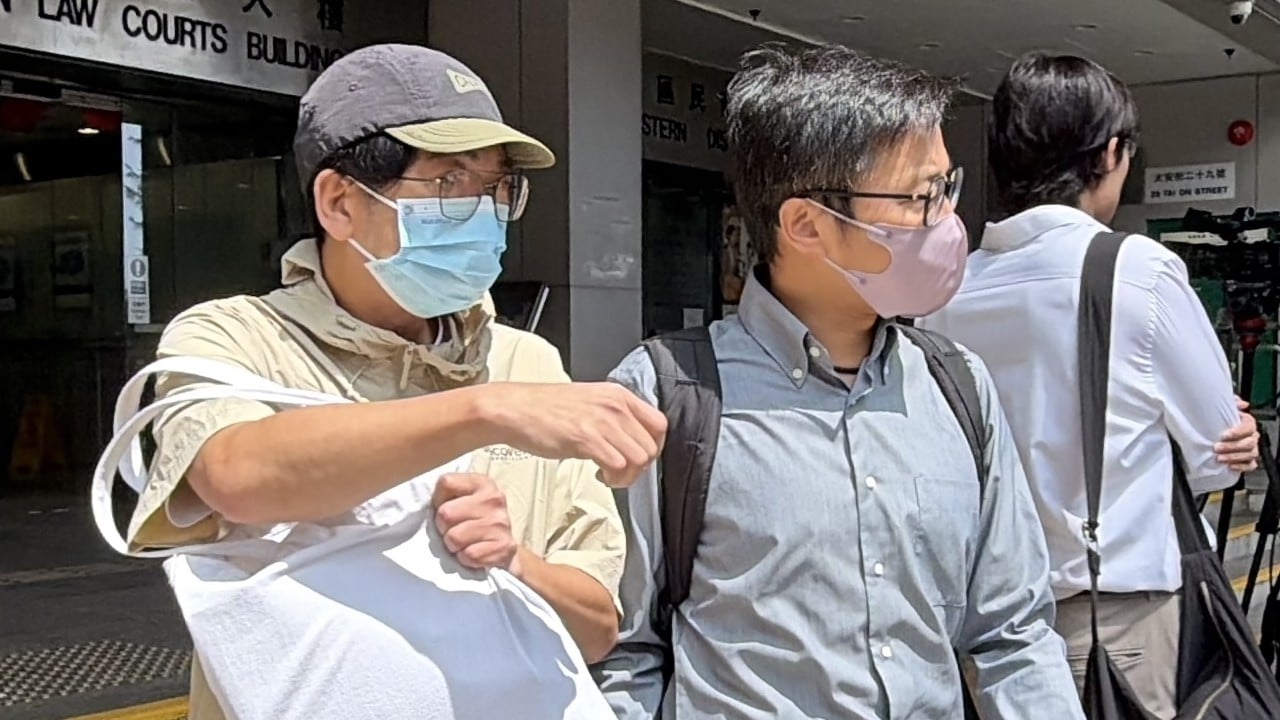
Power rarely operates through grand institutional designs alone. More often, it moves through small, informal acts of patronage, personal whim, and private grace that leave lasting debts in public life. Fourteen years after a former detainee repaid a life-changing financial or political favor to former Malaysian Prime Minister Najib Razak, the incident remains a sharp lens into how patronage networks actually function in Southeast Asian politics. It is a story about loyalty, the mechanics of personal debt, and the complicated legacy of a leader currently sitting behind bars.
In political journalism, we spend an inordinate amount of time tracking policy shifts, macroeconomic indicators, and electoral math. We miss the human architecture. Political survival in Malaysia has long depended on a web of personal obligations. When a leader steps outside formal bureaucratic channels to intervene in an individual's crisis—paying a medical bill, securing a release, or funding a desperate venture—the transaction is never truly private. It creates a moral obligation that outlasts administrations, judicial sentences, and political downfalls. For a different perspective, see: this related article.
The Mechanics of Personal Patronage
Consider how political patronage works on the ground. A citizen finds themselves crushed by the state apparatus, facing legal ruin or absolute destitution. Formal legal recourse is slow, expensive, and often indifferent. A direct appeal to a powerful figure like Najib Razak bypasses the friction. A stroke of a pen, a phone call to an aide, or a discretionary allocation from a political fund solves the immediate crisis.
The recipient walks away with a restored life. The patron walks away with something more valuable than a vote: absolute personal loyalty. Further insight on this trend has been published by The Washington Post.
When that former detainee eventually returned to settle the debt years later, long after Najib had lost power and faced corruption convictions, observers framed it as an act of noble character. It was that, certainly. But it was also a manifestation of a deeply ingrained cultural and political code where personal honor supersedes shifting legal verdicts. In the ecosystem of Malaysian politics, power may shift from Putrajaya to Sungai Buloh prison, but the currency of personal gratitude remains remarkably stable.
The Optics of Grace in a Fallen Leader
Najib Razak’s career is a study in political dualism. To his critics, he is the architect of the 1MDB scandal, a symbol of institutional decay and elite impunity. To his loyalists, particularly among the rural and urban working-class Malays who benefited from his extensive philanthropic and discretionary outreach, he remains a generous benefactor who listened when the system failed them.
This duality explains why stories of personal redemption and debt-repayment cling to him even now. Politics is fundamentally an emotional enterprise. Grand corruption trials play out in air-conditioned courtrooms with forensic accounting and legal briefs, but political loyalty is forged in hospital wards, emergency bail hearings, and quiet offices where desperate people ask for help.
When a former detainee repays a debt across a span of fourteen years, spanning the rise and fall of multiple governments, it exposes the resilience of these micro-relationships. It demonstrates why disgraced politicians retain dedicated followings. The state can strip an individual of office, freeze their assets, and lock them away, but it cannot easily dissolve the personal gratitude of someone whose life was personally salvaged by that same leader's intervention.
Beyond the Headlines
The surface narrative of a redeemed detainee returning to honor a fallen patron reads like cheap melodrama. Dig beneath that surface, and you find a stark critique of institutional fragility.
When citizens must rely on the personal mercy of powerful individuals to survive the gears of the state, it signals a failure of impartial governance. A healthy republic does not depend on benevolent strongmen or well-placed patrons to rescue the fallen. It relies on predictable laws, fair courts, and social safety nets that do not require personal fealty to access.
Yet, until those structural reforms take permanent root, the personal transaction remains king. The man who repaid his debt fourteen years later was not merely closing a ledger with Najib Razak; he was validating a system of patronage that continues to compete with modern democratic norms.
The debt has been settled. The political machine moves on. But the underlying vulnerability of citizens relying on the grace of princes remains untouched.