Thirty-seven people went into custody alive. They left in coffins. When dozens of detained miners were found dead inside a detention facility in Niger State, the official explanations didn't hold up, and the streets erupted.
Security forces in Minna responded with tear gas and gunfire to scatter crowds demanding accountability. This wasn't just a localized riot. It was a boiling point over systemic corruption, heavy-handed policing, and an underground economy that feeds armed violence across the region.
What Happened Inside Detention
The tragedy unfolded when suspected illegal miners were arrested during a crackdown on unauthorized extraction sites. Mining is a massive economic driver in Niger State, which holds rich deposits of gold and uranium. But it's also a lawless playground where criminal syndicates and desperate locals overlap.
Authorities initially blamed illness for the mass fatalities. Survivors and families pushed back hard, claiming suffocation and extreme neglect caused the deaths. Later government findings pointed directly to severe overcrowding and horrific conditions inside the holding facility. When you cram dozens of human beings into spaces not built for them, tragedy isn't an accident. It's an inevitability.
The Public Backlash and State Response
Grief quickly turned to fury. Relatives and local miners gathered outside government buildings and security offices to demand answers, alleging the deaths were retaliation for past clashes between miners and security personnel.
Instead of opening a transparent dialogue, security forces deployed tear gas and live rounds to clear the streets. The state government scrambled to contain the fallout by suspending the commandant of the Nigeria Security and Civil Defence Corps (NSCDC) for the area and promising independent forensic autopsies.
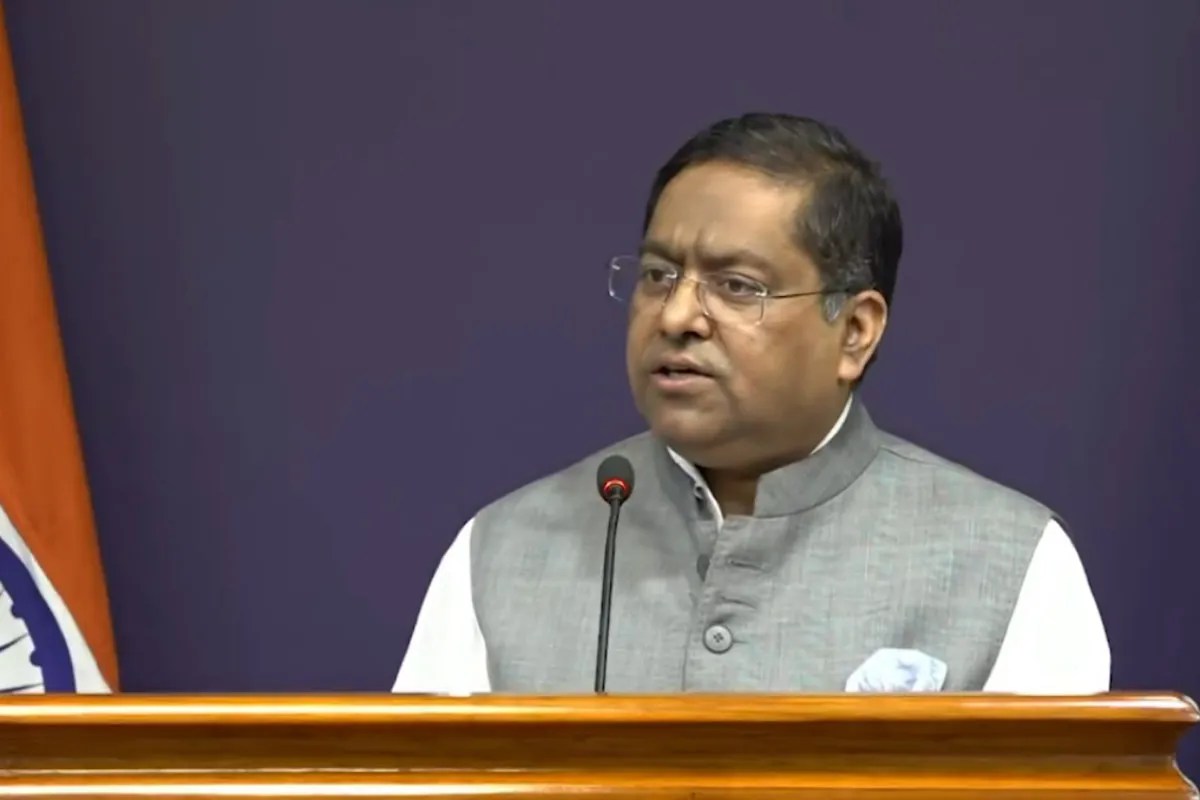
Minister of Information Mohammed Idris urged calm, stating that officials must not prejudge the investigation. But for communities already distrustful of law enforcement, promises of a committee ring hollow. A 12-hour curfew was slapped on the state capital to suppress further assembly, locking down a city already choking on tear gas and grief.
The Broader Crisis of Illegal Mining
To understand why this boiling point was reached, you have to look at the bigger picture. Nigeria's unregulated mining sector is a fiscal and security nightmare. Analysts note that billions of dollars in minerals leave the country illegally, funding armed groups and bandits who terrorize rural populations.
Successive administrations have promised crackdowns, but the approach often relies on brute force rather than structural reform. When the state treats economic desperation purely as a military target, human rights violations follow. Detaining suspects in lethal conditions doesn't solve illegal mining. It only deepens the cycle of violence and alienates local populations who feel they have no other way to survive.
Independent oversight and genuine accountability are the only paths forward, but trust has been broken. Until the government addresses both the root causes of informal labor and the systemic impunity within its security apparatus, these streets will stay volatile.