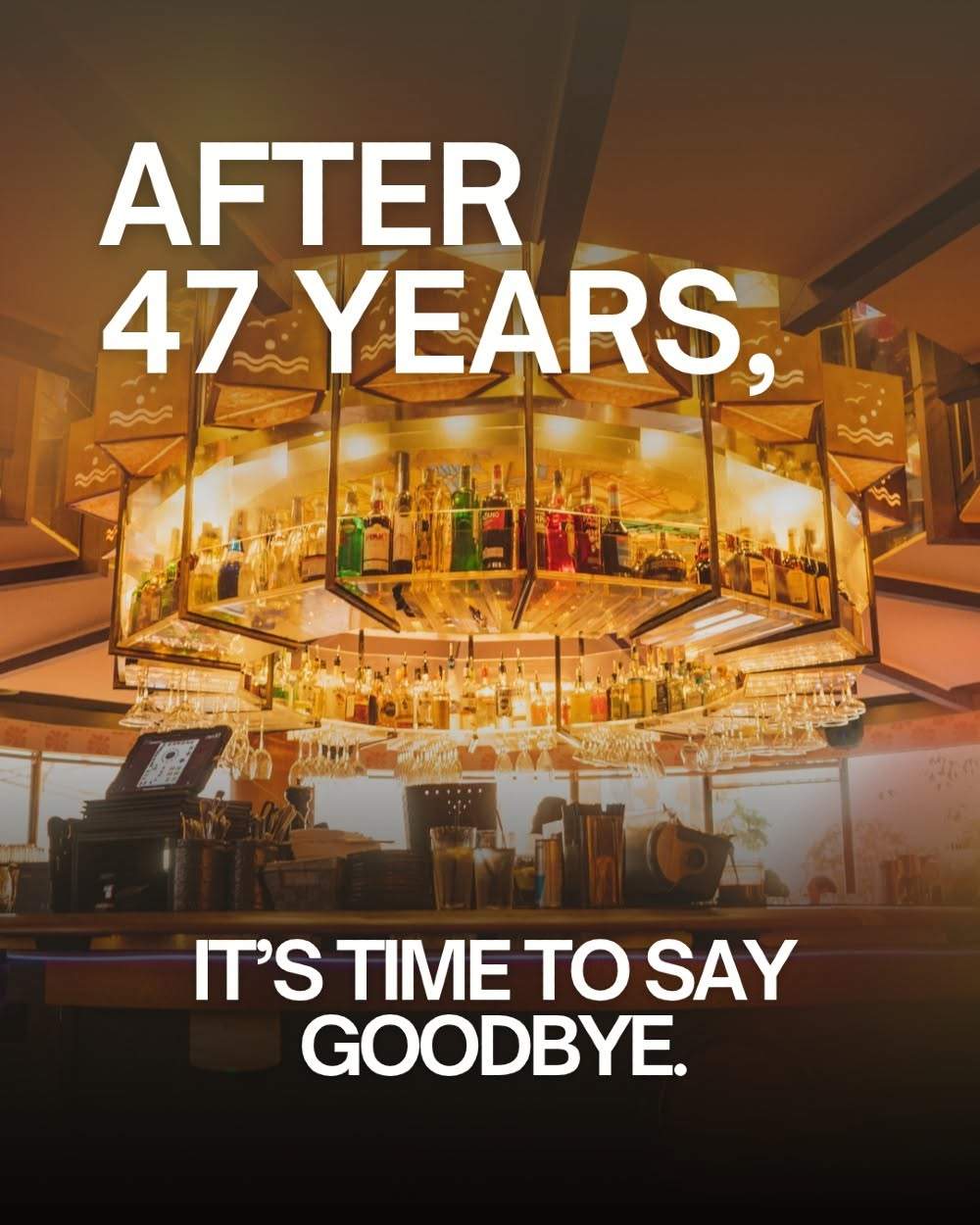
You can't manufacture forty-seven years of soul. When the Bayside Lounge at Davie and Denman shut its doors for good, it took a very specific kind of Vancouver magic with it.
For nearly half a century, that second-floor perch overlooking English Bay didn't care about sleek tech aesthetics or minimalist grey walls. It gave you horseshoe booths, throwback retro charm, and a front-row seat to some of the best sunsets on the Pacific coast.
Then the lease renewal arrived.
Foot traffic shifted, supply costs ballooned, and commercial rents climbed past what an independent watering hole could absorb. The closure wasn't just a business failure. It was a glaring warning sign about the economic pressures squeezing independent culture out of modern North American cities.
The Anatomy of an Urban Casualty
People love to blame shifting tastes when a long-standing venue goes under. They assume patrons simply stopped showing up. But that narrative rarely fits reality.
When general manager Danica Walker and her team announced the closure, the local reaction was pure shock. Thousands of regulars signed petitions and flooded social media with memories of first dates, birthday celebrations, and late-night artist jams.
The problem wasn't a lack of love. The math simply stopped working.
Independent hospitality operators face a brutal financial squeeze:
- Commercial lease rates outpace actual revenue growth by wide margins.
- Property taxes and municipal overhead climb year after year.
- Inflation drives up the cost of basic ingredients, alcohol, and labor.
When fixed costs rise faster than what regular customers can reasonably pay for a gin and tonic, margins vanish. You can sell out weekend tables and still lose money.
Why Retro Hangouts Matter More Than Ever
Cities need places that aren't optimized for maximum financial yield per square foot.
Hyper-efficient modern bars often feel interchangeable. They feature bright lighting, QR code menus, and design choices engineered for Instagram rather than human comfort. They turn tables over fast. They maximize throughput.
The Bayside Lounge belonged to an older, slower school of thought. It was dark, slightly worn around the edges, and entirely unpretentious. It welcomed everyone from broke university students to neighborhood seniors.
When you lose those spaces, you lose the connective tissue of a neighborhood. You replace community living rooms with empty concrete towers and corporate franchises that look identical whether you are standing in Seattle, Toronto, or Vancouver.
What We Can Do Before the Next Icon Falls
Community pushbacks and online petitions show heart, but they rarely alter commercial lease realities once a building changes hands or redevelopment looms.
If you want to keep the remaining independent spots alive in your city, token support on social media doesn't cut it. You have to vote with your wallet while they are still open.
Show up on a Tuesday night. Tip the kitchen and the floor staff generously. Bring friends to places that take risks instead of sticking exclusively to trendy new chains backed by corporate venture capital.
The Bayside Lounge is gone, taking its legendary view and sticky bar tops into memory. Unless local policies and urban planners find ways to protect cultural anchors from soaring real estate speculation, the rest of our favorite neighborhood institutions will follow it out the door.