Food is supposed to be an act of trust. You sit across from someone, you look them in the eye, and you break bread. You accept a plate because human connection requires a baseline assumption: the person feeding you does not wish you dead.
That baseline shattered over a quiet lunch in regional Victoria.
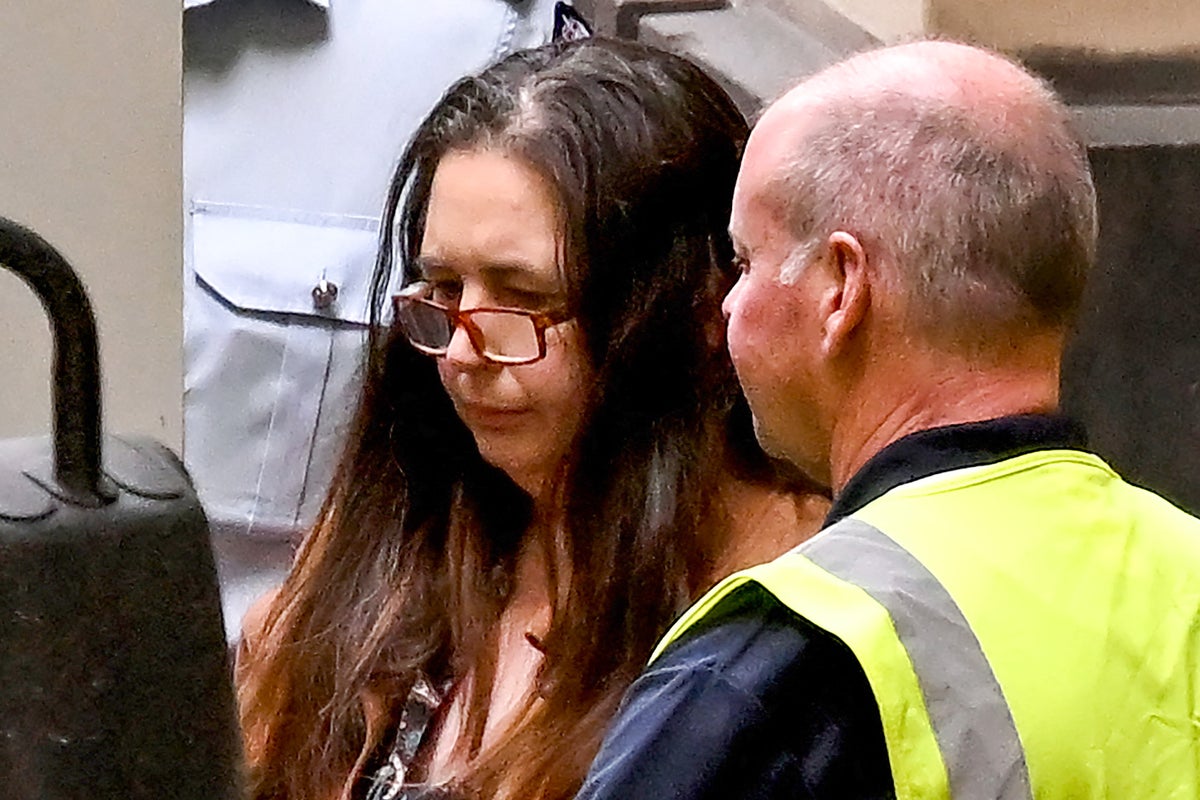
Erin Patterson stands at the center of a legal labyrinth that feels less like a modern criminal proceeding and more like a gothic novel brought to terrifying life. She is heading back to court, dragging behind her an unspeakable weight of accusation, public obsession, and a quiet, domestic horror that changed how an entire nation looks at the humble forage of the forest floor.
Let us step back into the dining room.
It was supposed to be a peaceful family gathering. A lunch hosting her former parents-in-law, Don and Gail Patterson, alongside Gail’s sister, Heather Wilkinson, and her husband, Ian Wilkinson. To the outside observer, it was a routine meal among relatives. But behind closed doors, a lethal recipe was quietly taking shape.
The centerpiece of the meal was a beef Wellington. And inside that pastry lurked Amanita phalloides, the death cap mushroom.
Consider the biology of this predator. It does not strike with the theatrical violence of a blade or the sudden detonation of a firearm. It works with a slow, administrative cruelty. For hours after ingestion, victims feel fine. They might even smile, clear the plates, and wash the dishes, entirely unaware that microscopic spores have already crossed the threshold of their livers, dismantling cellular machinery with quiet precision.
By the time the symptoms manifest—severe abdominal pain, nausea, vomiting—the trap has already sprung. The toxin has bound itself to RNA polymerase II, halting protein synthesis. The body begins to cannibalize its own filtration systems from the inside out.
Gail Patterson died. Don Patterson died. Heather Wilkinson died.
Ian Wilkinson, clinging to life by a thread in a hospital bed, fought through weeks of intensive care, a lone survivor of a meal that wiped out three members of a family in a matter of days.
The shockwaves rolled outward from the small town of Leongatha, shaking the foundations of rural Australia. How could this happen? Was it a tragic, bone-headed mistake by an amateur forager confusing a harmless species with a lethal lookalike? Or was it something far darker, calculated down to the gram and baked into a crust of pastry?
The legal system has been grinding its gears ever since. Erin Patterson faces multiple counts of murder and attempted murder, maintaining her innocence while the machinery of the state prepares to dissect every text message, every alibi, and every movement leading up to that fateful afternoon. The upcoming court appearances are not merely procedural hurdles; they are public rituals designed to drag a dark, unfathomable truth into the harsh light of a courtroom.
We struggle to process events like this because they violate the safe geography of our daily lives. We expect danger to wear a leather jacket in a dark alley. We do not expect it to wear an apron, serving lunch on fine china.
This case forces us to confront the fragility of domestic trust. It reminds us that the people who sit at our tables possess internal lives entirely opaque to us. We assume safety because the alternative is paralysis. If you cannot trust the cook, whom can you trust?
As the legal proceedings continue to unfold, the story remains a grim monument to human vulnerability. It is a stark reminder that nature harbors killers disguised as delicacies, and that human nature can sometimes harbor darkness just as lethal.
The plates are cleared. The trial looms. And the silence left behind at that table echoes still.