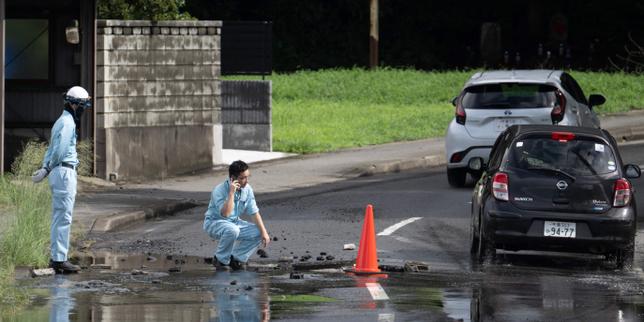
Record-shattering downpours just turned parts of eastern Japan into disaster zones. Nine people are dead. Over a thousand homes are flooded. If you think advanced infrastructure completely shields a nation from climate shocks, the chaos in Chiba prefecture offers a harsh reality check.
Torrential rain didn't just fall; it overwhelmed a region known for having some of the strictest civil engineering standards on earth.
When August Breaks All the Rules
Weather stations in the Chiba region recorded a staggering 300 millimeters of rain inside a single 24-hour window. That single deluge made it the wettest August the area has seen in six decades.
The Japan Meteorological Agency didn't mince words during emergency press briefings. Officials warned early on that the storm was shaping up to be entirely unprecedented. By Friday morning, the city of Chiba logged more than triple its normal rainfall for the entire month of August.
For a country accustomed to typhoons and seasonal storms, this scale of sudden accumulation caught municipalities flat-footed.
The Human Toll and Infrastructure Breakdown
The human cost quickly mounted as streets transformed into raging rivers. Local authorities and public broadcaster NHK confirmed that the death toll hit nine, with victims tragically trapped inside submerged cars or swept away on flooded roadways.
The physical destruction spans far beyond localized puddles:
- Over 70 houses suffered partial structural destruction.
- More than 1,300 households reported severe flooding, with hundreds experiencing water surges well above floorboards.
- Roughly 1,200 vehicles were simply abandoned across blocked roads as drivers fled for higher ground.
- Major transport corridors, including routes to Narita International Airport, faced severe gridlock and multi-hour delays.
Governor Toshihito Kumagai of Chiba admitted the gravity of the crisis bluntly. Having managed numerous regional disasters over the years, he noted that he had never witnessed anything of this magnitude.
What We Can Learn From the Chiba Disaster
Disaster preparedness isn't just about building higher seawalls or concrete drainage channels. When micro-weather systems dump a month's worth of rain in hours, municipal drainage systems hit absolute physical limits.
If you live in a flood-prone zone or travel through regions vulnerable to sudden downpours, certain survival realities demand attention:
- Never attempt to drive through standing water. Floodwaters rise faster than expected, and cars easily turn into floating death traps.
- Monitor local evacuation levels immediately. Japan's tiered alert system gives clear warnings, but waiting until water enters the house leaves zero margin for error.
- Keep emergency kits updated with independent power sources, drinking water, and high-visibility gear. Power outages often accompany heavy flash flooding.
Climate scientists point out that human-driven atmospheric warming fuels these intense, prolonged weather anomalies. As storms grow heavier, modern cities must rethink rapid-response towing logistics, underground retention basins, and early warning communication. Mother Nature keeps rewriting the baseline, and catching up remains an uphill battle.


