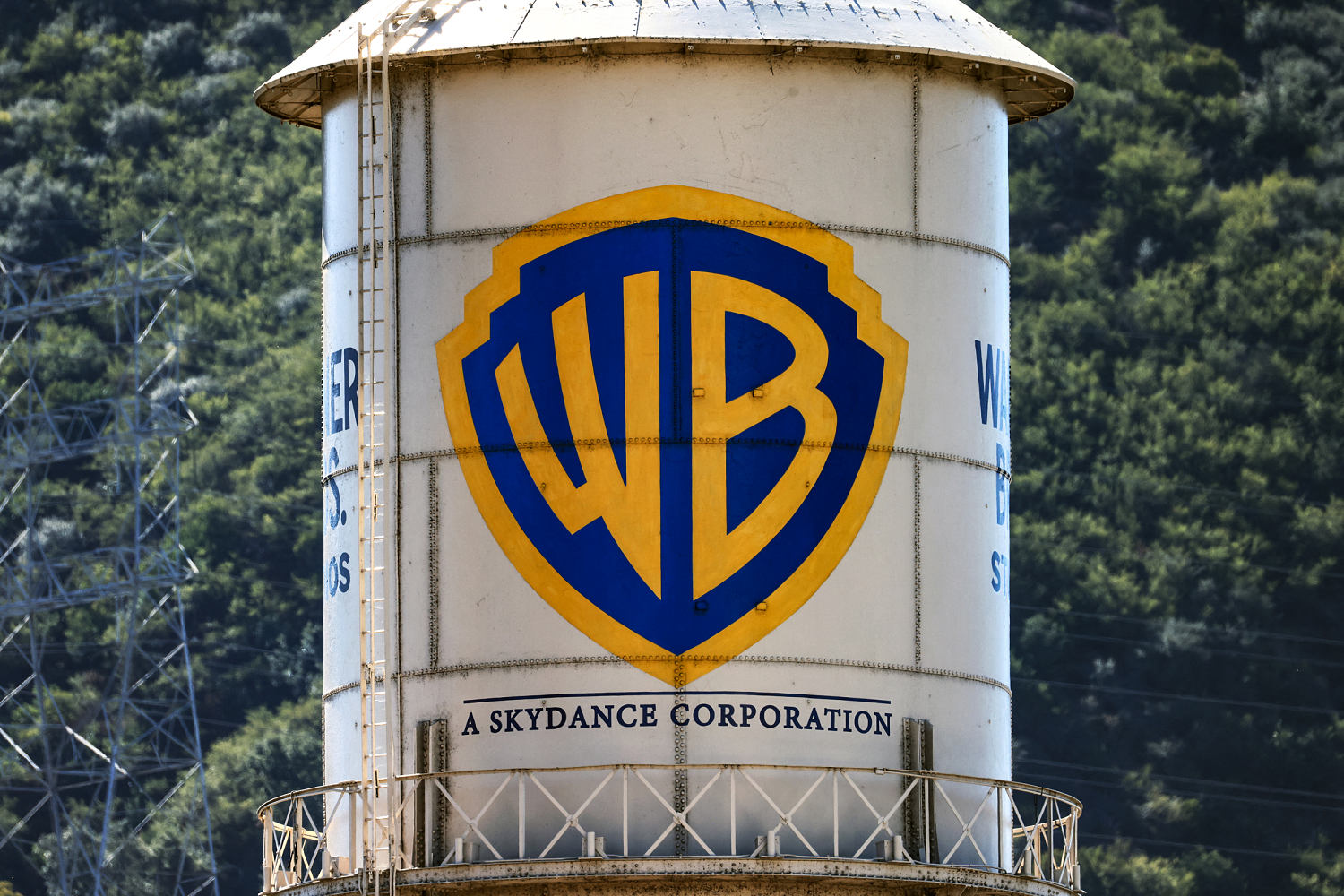
Hollywood consolidation usually moves at a glacial pace, but David Ellison doesn't do slow. When Paramount officially closed its massive $110 billion acquisition of Warner Bros. Discovery to form the newly minted Skydance Corporation, it wasn't just another corporate transaction. It was a hostile reshaping of the entertainment landscape by a forty-two-year-old tech-backed mogul who intends to run traditional studios like silicon valley startups.
Most industry watchers spent months debating regulatory hurdles and debt loads. They missed the actual seismic shift. Ellison isn't just merging balance sheets; he's installing an owner-operator model designed to tear down legacy bureaucracy. If you want to understand why legacy media is panicking, look at how fast the new leadership team is moving. Don't miss our earlier article on this related article.
The Strategy Behind the $110 Billion Gamble
Let's be honest. Buying Warner Bros. Discovery and pairing it with Paramount is an aggressive play. The combined empire unites massive studios, linear networks, and sprawling streaming infrastructure under one roof. Ellison and co-CEO Ynon Kreiz have made it clear that survival requires radical efficiency rather than endless spending.
The targets are staggering. Skydance has committed to carving out at least $6 billion in run-rate synergies within three years. That means trimming redundant corporate overhead, modernizing archaic tech stacks, and pushing AI coding tools across the engineering pipeline. If you want more about the history here, The Motley Fool provides an informative breakdown.
Traditionalists hate it. Wall Street is cautiously watching. But Ellison's backing—including hefty financial infusion from elite investors like tech titan Elon Musk—gives him the runway to absorb short-term pain for long-term control.
Restructuring the Creative Engine
Merging two Hollywood heavyweights means jobs will vanish. The real question is how the creative output survives the blender. Skydance has promised regulatory concessions, including commitments to maintain steady theatrical film output and safeguard the editorial independence of newsrooms like CBS and CNN.
At the same time, leadership changes are already rippling through key divisions. DC Studios is seeing structural adjustments, and streaming operations across HBO Max and Paramount+ are being welded into a unified direct-to-consumer machine.
If you're a creator, the calculus changes overnight. You aren't pitching to separate studio gates anymore. You're navigating a centralized content engine that demands immediate engagement and global scale.
What Happens Next for the Box Office
Consolidation rarely leads to artistic risk-taking, but Ellison insists his playbook is different. By centralizing procurement and streamlining marketing spends by over a billion dollars, the company claims it can free up capital for core franchises.
The pressure is entirely on execution. If Skydance hits its leverage reduction targets while keeping iconic intellectual property relevant, Ellison will cement himself as the most powerful mogul of his generation. If the integration stalls under the weight of its own debt, it will become the ultimate cautionary tale of overreach.
Keep a close eye on the upcoming quarter's subscriber retention and theatrical slates. The honeymoon phase is over, and the real work of running the new Hollywood has just begun.