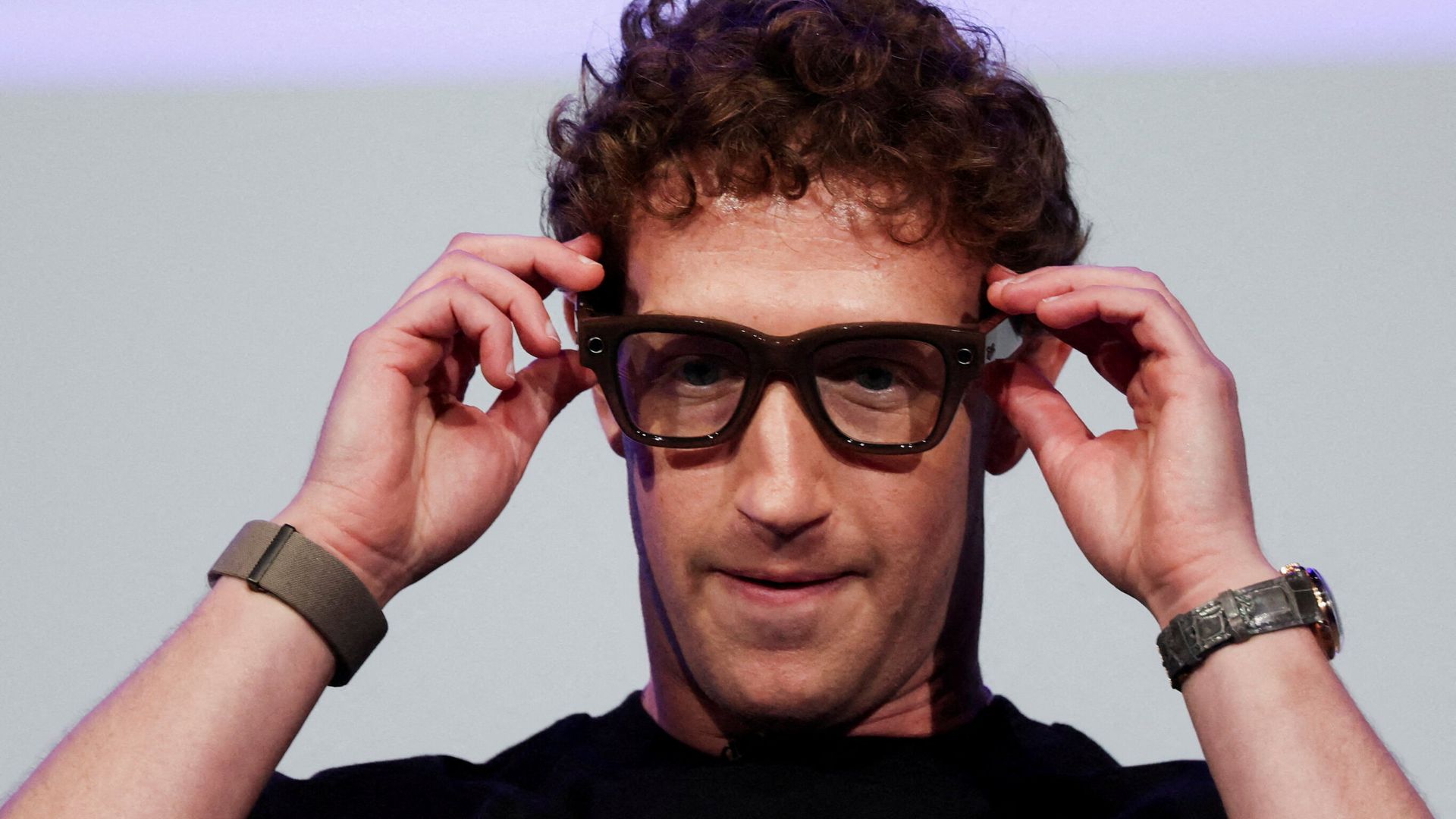
The velvet darkness of a London movie theater is a sacred trust. For two hours, strangers surrender their phones, their emails, their noisy external lives, and agree to stare collectively at a glowing sliver of light. It is one of the last communal rituals we have left.
Then a man in the third row blinks, and a tiny green indicator light pulses softly against his cheek.
He isn't just watching the movie. He is recording it. Or worse, he is streaming the immersive climax of a three-hundred-million-dollar blockbuster straight to a pair of smart glasses, broadcasting every frame to an unseen audience across the internet.
Across the United Kingdom, cinema chains are quietly sounding the alarm. Theater operators, studio executives, and projectionists are staring down an invisible crisis. The proliferation of wearable tech, specifically Meta smart glasses equipped with high-definition cameras and microphones, has turned every patron into a potential pirate.
Consider what happens next: a policy shift. Theater owners are currently weighing blanket bans on all smart eyewear, drawing a hard line in the dust between personal convenience and cinematic copyright protection.
To understand why this friction matters, you have to remember how fragile trust is in the dark.
For decades, the enemy of the movie theater was the bulky camcorder tucked inside a winter coat. Ushers watched for the telltale glow of a tilted Handycam. Night-vision goggles occasionally swept the aisles. It was a clumsy, low-tech game of cat and mouse.
Technology evolved. Smartphones arrived, bringing high-resolution lenses into every pocket. The rule became simple: phones stay in bags or pockets once the trailers roll. Most people complied. A social contract held firm. You respect the room. You respect the art.
Smart glasses shatter that contract precisely because they look entirely ordinary.
Imagine Sarah, a theater manager in central London. She has worked the floor of her cinema for twelve years. She knows the cadence of a Friday night crowd, the scent of fresh popcorn, the subtle rustle of candy wrappers. Last week, she noticed a teenager sitting dead center in Screen Four. His head tilted upward, tracking the emotional peak of an upcoming horror release. His hands rested calmly in his lap.
He wasn't holding a phone. But he was capturing every second.
When Sarah approached him after the credits rolled, he tapped the frame of his glasses, smiled, and asked what the problem was. There was no glowing screen held aloft. There was no obvious viewfinder. The recording device was built directly into his face.
This is the core anxiety driving the UK cinema industry right now. The UK Cinema Association and major operators like Odeon, Vue, and Cineworld are grappling with a device category designed specifically to blend into daily life. When recording becomes invisible, policing it becomes nearly impossible.
Piracy is the obvious financial threat. Studios lose billions annually to unauthorized digital distribution, and a clean, direct-to-sensor feed captured inside a pristine IMAX auditorium represents the holy grail for illicit streaming rings.
But the privacy threat cuts even deeper.
Sit in a modern theater. Look around at the couples whispering, the families sharing Milk Duds, the teenagers laughing nervously at a jump scare. We go to the movies to escape the panopticon of modern life, trusting that our private reactions are ephemeral.
Smart glasses introduce a permanent observer into that sanctuary. If the person sitting next to you is wearing a device capable of continuous capture, your private leisure time is no longer private. You are an extra in someone else's unauthorized broadcast.
The industry response is moving swiftly from polite signage to outright prohibition. Several major chains are drafting updated terms of entry that explicitly classify smart eyewear alongside traditional recording equipment. If it has a lens, it stays outside the auditorium.
Pushback is inevitable. Tech advocates argue that smart glasses offer accessibility features, real-time captioning, and augmented reality overlays that could eventually assist visually or hearing-impaired patrons. They point out that penalizing the hardware feels like a step backward, a knee-jerk panic against progress.
They are not entirely wrong. Technology always outpaces etiquette.
Yet the theater is a unique cultural ecosystem. It survives not on technical capability, but on shared vulnerability. We turn down the lights so we can see the story, but also so we cannot be seen watching it.
The security guard at the exit of a Leicester Square cinema checks bags with a practiced eye. Soon, he will be looking closer at faces. He will be looking for the slightly thicker plastic of a modern frame, the microscopic pinhole of a lens, the faint electronic hum of a computer strapped to a human skull.
The lights go down. The projector hums to life. On the giant screen, an actor’s face fills the darkness, larger than life, speaking truths we came here to hear.
In the third row, a green light blinks once, then goes dark. The battle for the last dark room has begun.