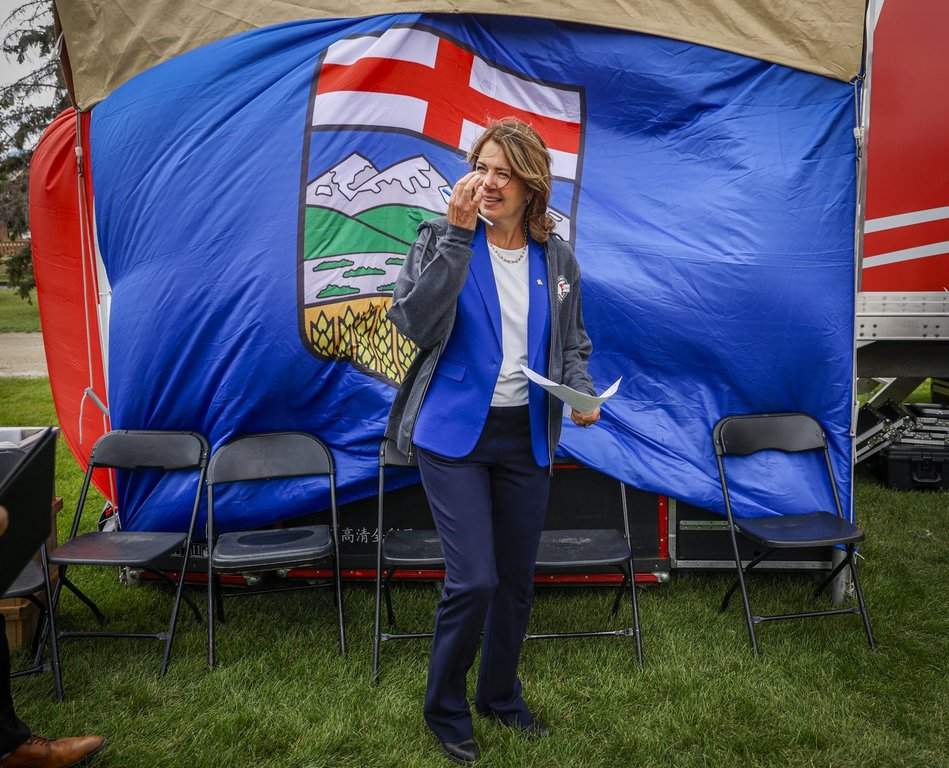
Administrative mix-ups happen. But when an official government release marking Alberta's 121st birthday mysteriously drops its entire reference to Indigenous Peoples within an hour of publication, people notice.
Premier Danielle Smith chalked the whole thing up to a simple "glitch". Her office apologized, pointing to a clerical error. Yet, looking past the official spin reveals a tense political climate where every single word choice carries immense weight. If you enjoyed this post, you should read: this related article.
The Timeline of a Disappearing Sentence
On September 1, the Alberta government distributed an initial English-language statement celebrating the province's birthday. It included a clear, direct acknowledgment: "We recognize the Indigenous Peoples whose enduring connection to and stewardship of this land continues to shape Alberta."
Roughly sixty minutes later, a revised version landed in media inboxes. That specific sentence was gone. Interestingly, the French version of the release kept the Indigenous reference intact. For another perspective on this story, see the latest coverage from NBC News.
When reporters pressed Smith at a press conference, she claimed public servants made the alteration. She urged a return to the original text and stated she is excited to celebrate everyone who built the province, including Indigenous communities.
Why This Mistake Triggered Immediate Backlash
You can't separate this incident from the broader political landscape in Western Canada right now. Tensions between the provincial government and Indigenous leadership are running high.
A looming fall referendum on Alberta separation has put Treaty rights front and center. Treaty 8 Sovereign First Nations Grand Chief Trevor Mercredi didn't mince words following the statement's revision. He called the omission deeply troubling, pointing out that First Nations aren't a footnote to history. When political initiatives challenge foundational agreements, communities watch government communications like hawks.
The Problem with the Glitch Defense
Calling it a software or procedural glitch is convenient. Bureaucracies write, edit, and approve statements through multiple layers of oversight. Sentences don't accidentally delete themselves during standard copyediting phases.
Even if staff level miscommunication caused the drop, the damage was done. For critics and community leaders, the edit looked less like a technical error and more like a revealing slip of the mask during a politically sensitive era.
Government transparency requires more than quick cleanup statements after reporters spot an omission. Officials need to ensure their public messaging matches their stated commitments to reconciliation, especially when the political temperature is rising. Watch how administrative protocols handle subsequent releases closely, because public trust takes years to build and seconds to erase.



