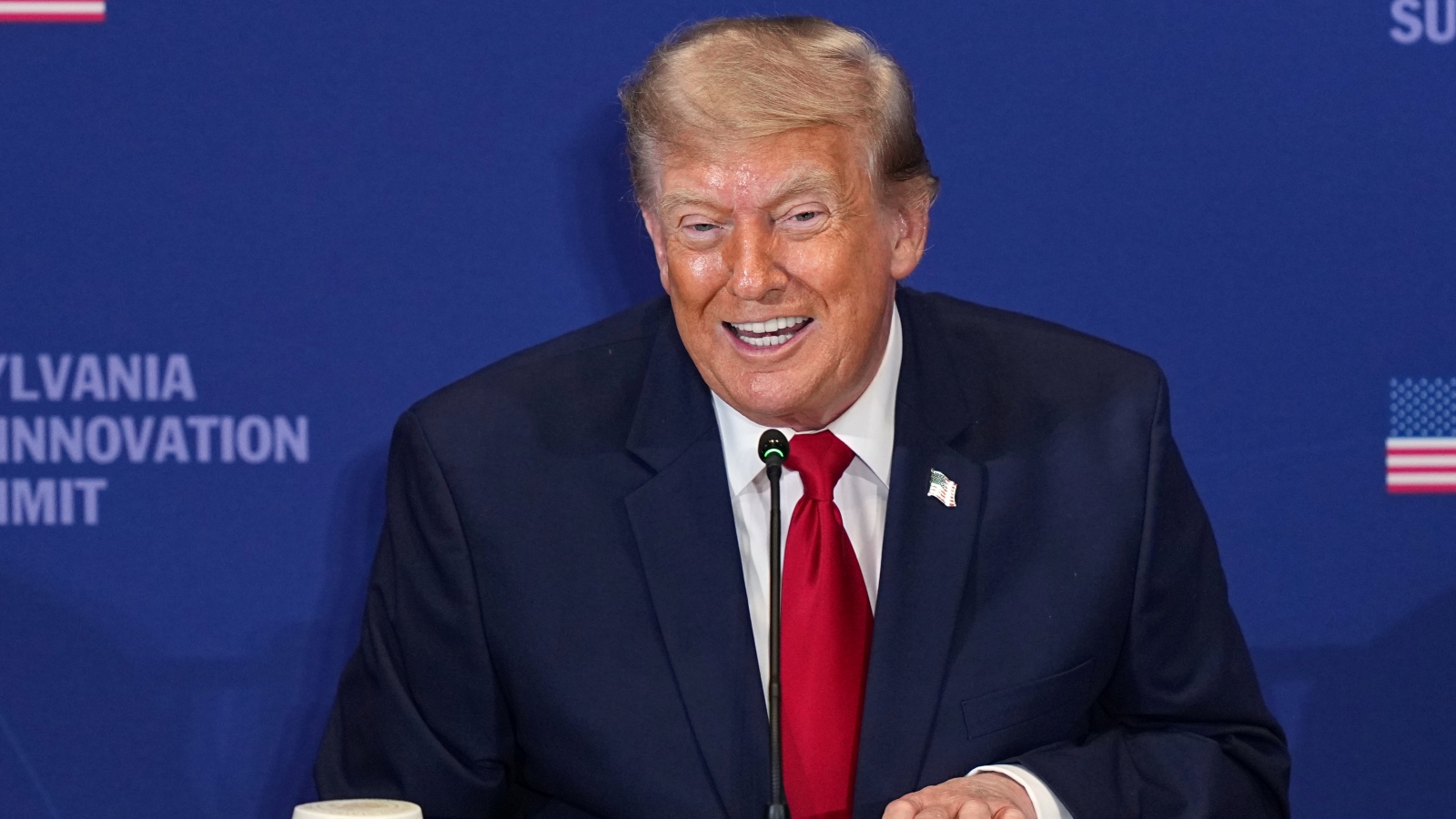
The quiet release of Iranian-American citizen Dena Karari after more than eighteen months of captivity in Tehran has been praised by US President Donald Trump as a "gesture of Goodwill." Yet behind the diplomatic pleasantries lies a jarring and dangerous reality. Even as the White House expressed gratitude on social media, the United States military was launching fresh airstrikes on Iranian coastal installations and enforcing a renewed naval blockade of the country's ports. This sudden release of a political hostage exposes the highly volatile, dual-track nature of current Middle East geopolitics, where bombs and olive branches are traded in the very same hour.
Karari, a dual national who worked for an American technology company and ran a charity for underprivileged children, had been trapped in Iran since December 2024. Her release, secured by prominent human rights lawyer Jared Genser, is a profound relief for her family. But in the larger theater of international conflict, her freedom is a tactical transaction rather than a strategic shift. It does not signal a path to peace. Meanwhile, you can find related events here: The Invisible Cost of a Quiet Sea.
The Mixed Signals of Gunboat Diplomacy
The contrast between Washington's rhetoric and its military actions has never been more stark. On Wednesday night, while diplomats worked to confirm Karari’s safe transit out of Iranian airspace, U.S. Central Command was busy executing high-intensity military operations. American forces launched precision strikes targeting coastal defense systems and cruise missile storage facilities on Greater Tunb Island.
These strikes were not minor skirmishes. According to reports from the region, the military actions resulted in dozens of casualties and significant infrastructure damage. The administration justified the bombardment as a necessary measure to protect commercial shipping lanes in the Strait of Hormuz. To explore the complete picture, check out the detailed report by Reuters.
This creates an extraordinary paradox. The American president is publicly thanking a foreign adversary for an act of mercy at the exact moment his military is dropping precision-guided munitions on that same adversary's sovereign territory.
This dual-track approach reveals a highly transactional foreign policy. The administration seems comfortable compartmentalizing humanitarian negotiations from active, destructive warfare. For Tehran, releasing a high-profile prisoner offers a temporary diplomatic shield, a way to project a cooperative stance to the international community while its military installations are turned to rubble.
The Exploitation of Dual Citizens
Dena Karari’s ordeal is a classic textbook study in state-sponsored hostage-taking. She traveled to Iran in late 2024 to visit her family and manage her charitable project. She was quickly targeted by the Iranian intelligence apparatus.
Initially placed under a travel ban and detained, her situation deteriorated rapidly after the United States and Israel launched joint military operations against Iran in 2025. In the wake of those strikes, Iranian prosecutors slapped Karari with espionage charges, accusing her of collaborating with a hostile state. The charges were fabricated.
The Strategy of Arbitrary Detention
For decades, the Iranian government has used dual nationals as diplomatic bargaining chips. These individuals are uniquely vulnerable. They possess Western passports that make them valuable to foreign governments, yet their Iranian citizenship allows Tehran to deny them consular access under local law.
- The Target Profile: Often, these detainees are academics, journalists, or humanitarian workers who have no connection to government intelligence.
- The Accusation: Espionage or national security threats are the default charges used to justify prolonged pre-trial detention.
- The Objective: The goal is always to exchange these individuals for frozen assets, sanctions relief, or geopolitical concessions.
Jared Genser, the human rights lawyer who negotiated Karari's release, has spent his career navigating these grim transactions. Often referred to as an expert in freeing political prisoners, Genser’s involvement underscores the privatized, highly specialized nature of modern hostage negotiations. Governments often rely on these elite intermediaries to conduct backdoor discussions when official diplomatic channels have completely broken down.
Broken Truces and the Failed Memorandum
The release of Karari comes at a moment of profound diplomatic failure. Just last month, Washington and Tehran signed a memorandum of understanding aimed at halting the escalating regional war. It was supposed to be a cooling-off period.
It lasted only a matter of weeks. The fragile agreement dissolved as fighting resumed across the Middle East, leading to the current campaign of airstrikes and the reimposition of a strict naval blockade on Iranian ports. The blockade is designed to starve the Iranian military of critical components and choke off its oil export revenue.
By releasing Karari now, Iran’s leadership is executing a calculated diplomatic maneuver. They are testing whether the Trump administration will match their "goodwill" by easing some of the naval restrictions or pausing the nightly bombing runs. It is a gamble.
Trump's public praise of the gesture suggests that the administration is willing to acknowledge these small humanitarian openings. However, there is no indication that the fundamental drivers of the conflict have changed. The naval blockade remains in place. The warships are still deployed. The underlying grievances that triggered the war in the first place are completely unresolved.
The Historical Cycle of Hostage Diplomacy
To understand why this breakthrough will not lead to lasting peace, one must look at the historical precedent. This is not the first time Washington and Tehran have traded prisoners in the middle of a crisis.
In 2016, the implementation of the nuclear deal was accompanied by a high-stakes prisoner swap and the return of billions of dollars in frozen Iranian funds. In 2023, another deal saw five Americans freed in exchange for the transfer of six billion dollars in restricted oil revenues. Each time, optimistic commentators suggested these deals could pave the way for a broader diplomatic opening.
Each time, those hopes were dashed. The structural friction between the two nations is too deep to be patched over by prisoner exchanges. The Iranian regime views hostaging not as an aberration, but as a legitimate and highly effective tool of statecraft. When one set of prisoners is released, the system simply begins identifying the next targets for future leverage.
This creates a moral hazard. By thanking Iran and participating in these transactional swaps, Western governments inadvertently validate the strategy of arbitrary detention. It proves to the hardliners in Tehran that holding dual citizens works.
The Cost of the Transactional Playbook
The immediate survival and freedom of Dena Karari is an undeniable victory for human rights and her family. She is safe. She is out of harm's way.
But the broader strategy is deeply flawed. Celebrating a single release while the surrounding region burns under a rain of cruise missiles is a form of geopolitical cognitive dissonance. It allows political leaders to claim a humanitarian victory on domestic television while avoiding the much harder, more dangerous work of resolving a full-scale regional conflict.
The bombs will continue to fall on Greater Tunb Island. The naval blockade will continue to squeeze the Iranian economy. And somewhere in Tehran, the security services are likely already scouting the next dual national to detain, ensuring that the cycle of hostage diplomacy remains unbroken.