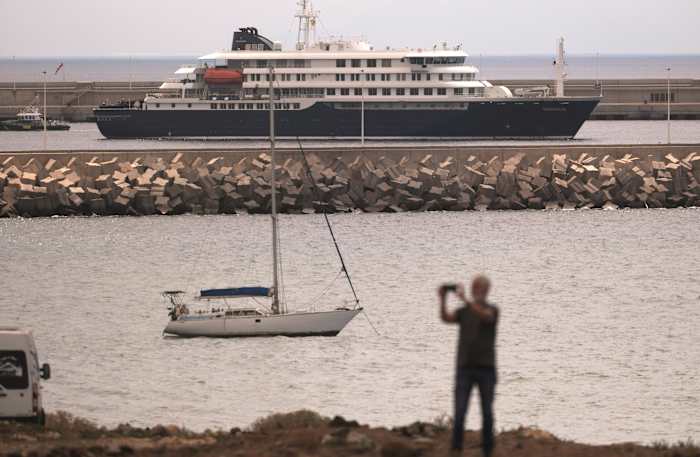
While the public focuses on a single passenger making the best of a bad situation in a U.S. quarantine facility, the real story lies in the systemic failure of maritime health protocols. A hantavirus outbreak on a luxury cruise liner is not a freak accident. It is a biological alarm bell. Hantavirus is typically a terrestrial threat, spread by the droppings and urine of infected rodents. For it to infiltrate a sealed, multi-billion-dollar vessel suggests a breach in the supply chain or a collapse in onboard pest management that the industry is desperate to downplay.
The Myth of the Sterile Sanctuary
The cruise industry markets itself as a controlled environment where every surface is polished and every buffet is guarded. This is an illusion maintained by a transient workforce and a reliance on rapid turnaround times. When a ship docks, it has a window of mere hours to offload thousands of people and restock enough provisions to feed a small city for a week. In that frantic exchange, the barrier between the ship and the local environment becomes porous.
Hantavirus Pulmonary Syndrome (HPS) is a severe respiratory disease. It is rare, but it carries a mortality rate of roughly 38 percent. It does not spread from human to human like a common cold or the norovirus that frequently plagues these ships. It requires a direct link to a rodent vector. Finding this virus in a passenger cabin means the "sterile" environment of the ship has failed at a fundamental level.
Supply Chains and Hidden Hitchhikers
Investigators are currently looking at the point of origin for the infection. The most likely culprit is not a stowaway rat running across the Lido deck, but rather contaminated dry goods or equipment brought aboard in an infested shipping container.
Modern logistics prioritize speed over scrutiny. Pallets of produce, linens, and spare parts move through international ports where rodent control is often an afterthought. If a rodent nests in a crate of napkins or under a pallet of flour, its excrement can dry into a fine dust. When a crew member opens that crate in the confined, recirculated air of a ship's lower decks, the virus becomes aerosolized.
The passenger currently in isolation represents the unlucky tip of the spear. They inhaled the dust. They touched the wrong surface. But the underlying issue is the industry's inability to guarantee the integrity of what it brings on board.
The Limits of Quarantine
Current maritime law and CDC protocols rely heavily on isolation once a pathogen is detected. It is a reactive strategy. By the time a passenger shows symptoms, the ship has already traveled hundreds of miles, potentially exposing hundreds of others to the same contaminated source.
The quarantine process itself is a PR maneuver as much as a medical necessity. By moving the "story" to a land-based facility where a passenger can be filmed smiling or "making the best of it," the cruise line shifts the focus away from the vessel. They want the public to see a resilient traveler, not a contaminated ship. However, deep-cleaning a vessel of this size to eradicate a viral threat is a monumental task that requires more than just a few extra wipes with bleach.
Why Air Filtration Failed
Most passengers believe the air they breathe on a cruise ship is as fresh as the ocean breeze. In reality, it is a complex mix of fresh intake and recycled air.
- HEPA Limitations: While newer ships boast advanced filtration, older vessels in the fleet often rely on systems designed to catch dust and dander, not microscopic viral particles.
- Ductwork Contamination: If a virus is aerosolized in a storage area, it can be pulled into the ventilation system. Once inside the ducts, the pathogen can settle and wait, or be redistributed to cabins far from the original source.
- Humidity Factors: High humidity, common in tropical cruising, can actually help certain pathogens survive longer on surfaces than they would in a dry, land-based environment.
The Industry Response
The cruise industry’s standard operating procedure for outbreaks is a well-oiled machine. They offer refunds, future cruise credits, and platitudes about passenger safety. They cite their compliance with the Vessel Sanitation Program (VSP). What they don't mention is that VSP inspections are snapshots in time. They do not account for the daily chaos of a working ship.
We are seeing a trend where ships are getting larger, carrying more people and more cargo, while the time spent in port—the only time proper deep-sanitation can occur—is shrinking. The math does not add up for public health.
Regulatory Gaps in International Waters
The legal reality of a cruise ship is a jurisdictional nightmare. Most ships fly "flags of convenience," meaning they are registered in countries like the Bahamas, Panama, or Liberia. This allows them to bypass stringent U.S. labor and safety laws. When an outbreak occurs, the cruise line essentially self-reports.
While the CDC can board a ship in U.S. waters, their power is limited once the ship hits the high seas. This creates a "gray zone" where hygiene standards are maintained by the company's internal policies rather than federal mandate. If a company decides that a thorough rodent sweep will delay a departure and cost $2 million in lost revenue, the economic pressure to cut corners is immense.
The Path Forward for Travelers
If you are planning to board a vessel in the wake of these reports, you cannot rely on the cruise line's glossy brochures for safety. You must be your own advocate.
Inspect your cabin immediately upon arrival. Look for any signs of pest activity in the back of closets or under the bed. It sounds paranoid, but in a closed system, you are only as safe as the cleanest corner of the ship. Avoid dry-goods storage areas and be wary of any "behind the scenes" tours that take you into the bowels of the ship during a suspected outbreak.
The hantavirus case is a reminder that the ocean is not a controlled environment. It is a wild, unpredictable space, and the ships we build to cross it are only as secure as their weakest link in the supply chain. Until the industry prioritizes biosecurity over rapid turnover, these "isolated incidents" will continue to emerge.
Demand more than a refund. Demand a transparent audit of the ship's pest control and air filtration logs before you ever step onto the gangway.