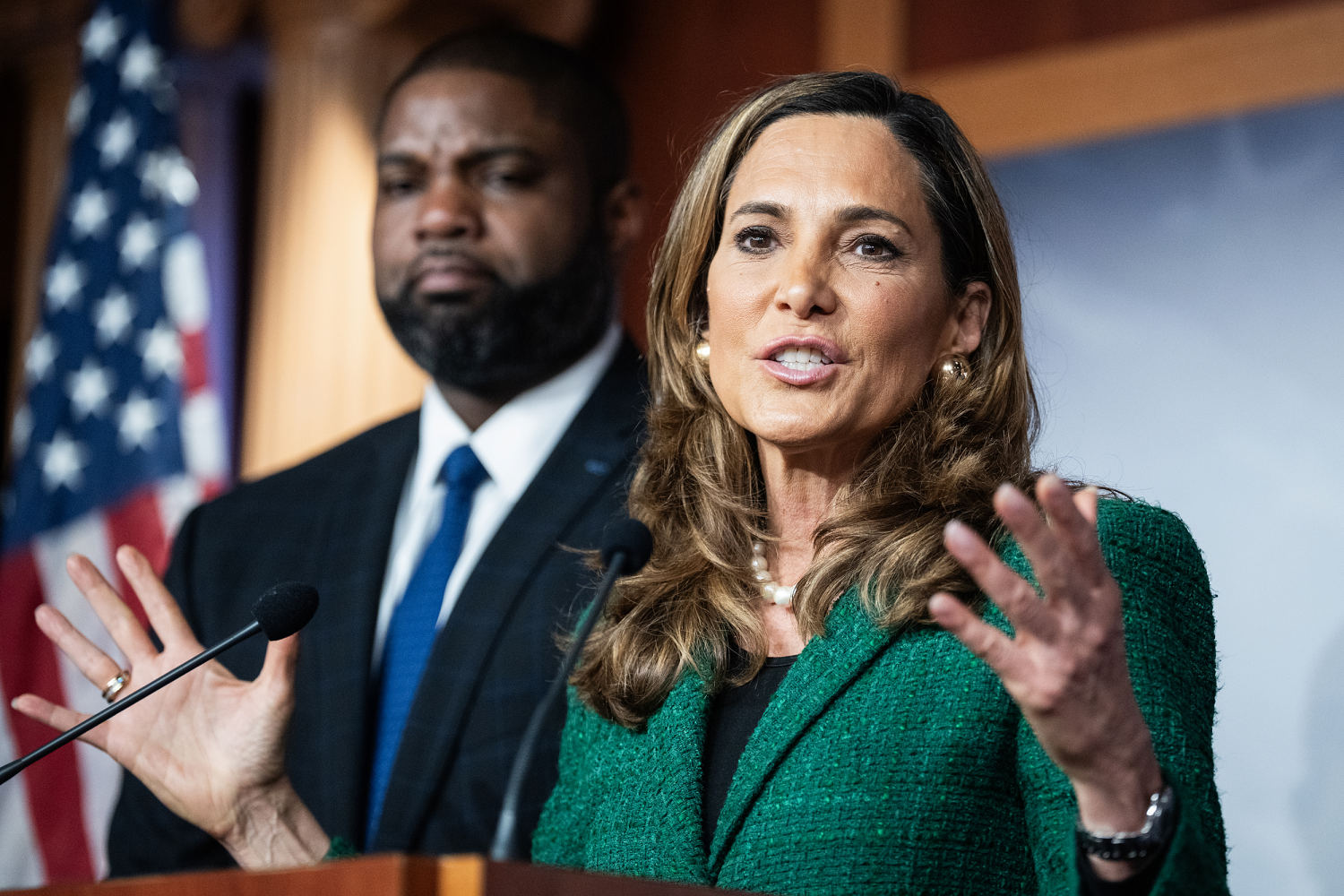
Walking the tightrope between local voter survival and party loyalty is never easy, but doing it in front of a political machine that demands total alignment is a recipe for swift retribution. When Florida Representative María Elvira Salazar decided to run a campaign ad openly criticizing Donald Trump’s aggressive immigration enforcement tactics, she probably knew she was taking a risk. She just didn't expect the heavy machinery of the White House to throw a public brushback pitch right at her head.
This friction captures a much broader dilemma facing the GOP. As competitive races heat up and midterms approach, vulnerable incumbents find themselves trapped. Do they tie themselves completely to a populist base, or do they try to carve out an independent lane to appease moderate swing voters? Salazar's gamble—and the immediate, punishing pushback she received—offers a clear masterclass in the perils of breaking ranks.
The Anatomy of a Republican Split
For months, political observers tracked a quiet shift in how battleground Republicans talk about border policy. In districts with heavy Hispanic populations, candidates like Salazar face a unique math problem. Voters who lean conservative on taxes and the economy often recoil at sweeping deportations that threaten families, neighbors, and local workforces.
Salazar tried to thread that needle by releasing an ad explicitly pushing back against parts of the administration's crackdown, arguing that enforcement had crossed a line. In theory, this move signals independence to moderate suburbanites. In modern conservative politics, however, signaling independence on a core pillar like immigration is often treated as heresy.
Trump didn't ignore the dissent. Instead of brushing it under the rug, he amplified fierce online criticism against her, practically signaling to primary challengers and the grassroots base that she was fair game. It was a classic political brushback: swift, loud, and designed to remind every other Republican lawmaker what happens when you stray from the script.
Why the Middle Ground is Disappearing
The days of big-tent tolerance for public dissent are long gone. Political parties operate more like closed ecosystems today, where ideological purity tests dictate survival. When a lawmaker tries to play to two different audiences—moderates at home and the party leader nationally—the seams tear very quickly.
Other vulnerable Republicans are watching this dynamic play out with intense anxiety. Some have quietly scrubbed mentions of national leadership from their campaign sites, hoping to fly under the radar. Others double down on populist rhetoric, figuring that alienating a few moderates is safer than drawing a presidential tweetstorm or a well-funded primary opponent.
The underlying reality is brutal. If you break with the base, you risk a civil war within your own party before you even face the general election. If you stay locked in step, you risk alienating the independent voters who decide close races in swing districts. There's very little room left in the middle.
What This Means Moving Forward
The fallout from this clash goes far beyond one congressional district in South Florida. It sets a precedent for how legislative disagreements are handled within conservative ranks. Lawmakers learn that public critique carries an immediate political tax.
If you're watching these dynamics unfold, keep an eye on how other battleground incumbents handle contentious policy votes. Pay attention to who goes silent, who doubles down, and who tries to invent a third way. The answers will dictate the shape of the party long after the ballots are counted.
María Salazar immigration ad and Trump's reaction overview
This video provides an in-depth look at the political fallout and media coverage surrounding Rep. María Elvira Salazar's clash with Donald Trump over immigration policies.