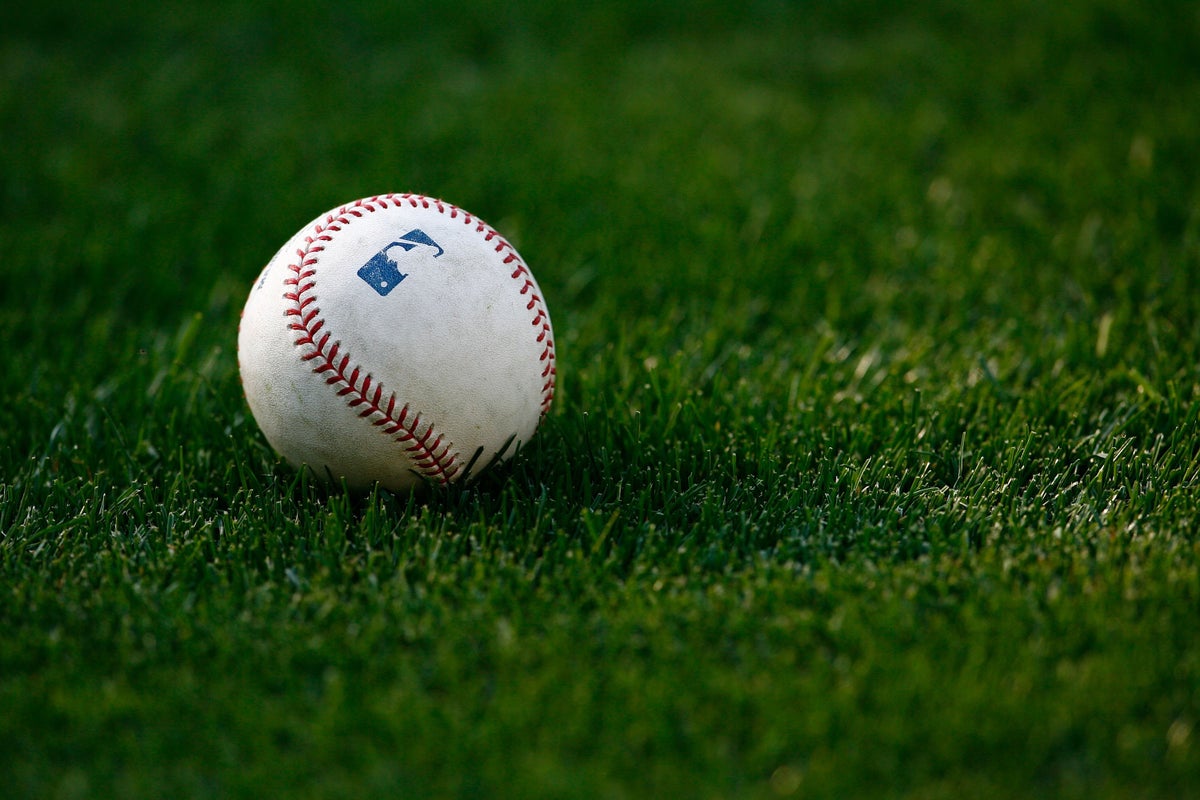
Imagine pouring millions of dollars into saving a broken-down historic community asset, winning a championship on its grass, and then getting sued because your players are simply too good at their jobs. That is exactly what is happening in West Oakland right now. The Oakland Ballers, the independent minor league baseball team that stepped into the sports void left by the Athletics, are facing a bizarre legal battle. A next-door building owner wants at least $350,000 because home runs keep flying over the left-field fence and denting his property.
It sounds like a comedy script. It is actually a real lawsuit filed in Alameda County Superior Court. Ajor Property Group, which owns the building directly across the street at 1661 20th Street, claims that the city and the baseball team have turned their property into a shooting gallery for baseballs. They say windows are shattered, the roof is ruined, and the aluminum siding looks like the surface of the moon. If you enjoyed this article, you should read: this related article.
This is not just a quirky local news story. This dispute exposes a massive problem facing modern urban sports. When professional athletics collide with neighborhood real estate, who actually owns the risk? The answers are messy, frustrating, and wrapped in thick layers of city bureaucracy.
The Short Porch Problem at Raimondi Park
To understand how a baseball team ends up in a six-figure lawsuit over home runs, you have to look at the geometry of the park. The Ballers play at Raimondi Park. It is a historic site in West Oakland that has been around for nearly a century. In its heyday, it hosted legendary talents like Frank Robinson and Curt Flood. But for years, the park sat neglected. For another perspective on this story, see the recent update from NBC Sports.
Enter the Ballers. Founders Paul Freedman and Bryan Carmel launched the team to give Oakland sports fans something to cheer for after the A’s packed their bags for Las Vegas. They poured $1.6 million of their own money into reviving Raimondi Park. They laid new sod, fixed the lights, built seating for 4,000 fans, and completely reactivated the space. The crowds loved it. The team even won the Pioneer League championship on that field.
But there is a major structural catch. Raimondi Park was not originally designed for modern professional power hitters. The left-field fence sits a mere 312 feet away from home plate. In professional baseball, that is a remarkably short distance. For a regular high school player or a weekend beer-league softball batter, clearing that fence takes a monumental hit. For a professional athlete in the Pioneer League, clearing a 312-foot fence is routine batting practice.
Directly behind that short left-field fence sits the property owned by Ajor Property Group. The building is covered in ivy and sits right at the corner of 20th and Campbell streets. When a pro hitter connects with a fastball and sends it high into the Oakland sky over left field, there is only one place for that ball to land. It lands right on the neighbor’s roof, walls, or windows.
A Substation of Broken Glass and Absurd Demands
The lawsuit outlines two years of increasingly tense emails between the building owner, Hassan Najafi, and Ballers co-founder Paul Freedman. Najafi happens to be the former owner of a glass company. You would think a glass guy would know how to handle a broken window, but this situation quickly devolved into petty warfare.
According to online accounts and legal filings, the team initially tried to be good neighbors. When Najafi first complained about a shattered window and supplied security footage proving a baseball caused the damage, the Ballers paid up. They cut a check to cover the repair cost. That seemed fair.
Then things got weird. Najafi came back claiming more windows were broken. The Ballers asked for basic evidence. They wanted to see the security footage to verify that a baseball broke the glass, rather than a stray rock or vandalism. Najafi refused to just hand over the clip. Instead, he demanded the team pay him an extra $500 just to look at the surveillance video.
Naturally, the team balked. Small independent baseball clubs do not have loose cash to pay ransom fees for security footage. The relationship completely soured after that.
The lawsuit stretches far beyond a few broken panes of glass. Najafi claims the constant bombardment of baseballs has caused permanent structural damage to his aluminum siding and his roof. He even claims that he can no longer install solar panels on his building because the incoming home runs would immediately smash the panels to pieces. That is how a few broken windows ballooned into a $350,000 legal demand.
The Sticky Trap of City Bureaucracy
You might think the easiest solution to this entire mess is incredibly obvious. Just put up a taller net. If balls are flying over the left-field fence, buy a massive net, string it up, and catch the balls before they cross the street.
The team actually wanted to do that. The field use agreement between the city of Oakland and the Ballers explicitly allows for an outfield netting system up to 50 feet high. A 50-foot barrier would block the vast majority of these regular batting practice home runs.
So why is there no giant net? Because of local government red tape.
Even though the baseball agreement allows for a 50-foot net, municipal height ordinances restrict structures in that specific zone. City officials became terrified of setting a dangerous precedent. If they granted the baseball team a quick exemption to build a massive 50-foot structure, other property developers in West Oakland might use that same exemption to bypass zoning laws for high-rise condos or commercial warehouses.
As a result, the city paused. They studied the problem. They dragged their feet. Meanwhile, the Ballers kept playing, the batters kept swinging, and the baseballs kept raining down on 20th Street. The team is trapped in a classic bureaucratic loop. They have the money and the will to fix the physical problem, but the city won't let them dig the holes to put up the poles.
Demolishing the Classic Baseball Rule
Legally, this lawsuit could change how we view liability around sports stadiums. For decades, sports teams have been protected by a legal concept known informally as the Baseball Rule.
The core idea is simple. If you build a house right next to an existing baseball field, or if you buy a ticket to sit along the first-base line, you are willingly accepting a certain amount of inherent risk. You know baseballs fly around at baseball games. If a ball hits your car or bonks you on the head, you generally cannot sue the team because you chose to put yourself in harm's way. The ballpark was there first.
But this Oakland case introduces a fascinating wrinkle that complicates the classic rule. Raimondi Park has been a baseball field for roughly a century. The building across the street has also been there for a long time. For decades, they coexisted peacefully because the caliber of play at the park was low. Little leaguers and local amateurs simply did not have the physical strength to launch balls into the next block.
The lawsuit argues that by bringing a professional team with elite athletes into a public neighborhood park, the city and the team fundamentally altered the nature of the risk. They turned a harmless community diamond into a hazardous zone without upgrading the surrounding infrastructure to match the new reality.
If the courts side with the property owner here, it sends a chilling message to every amateur sports complex, minor league team, and park district in the country. It means that if you upgrade your league, invite better players, or draw bigger crowds, you can be held strictly liable for the physical consequences of the game, even if your field has been there since the Great Depression.
Independent Baseball Cannot Survive This
Independent minor league baseball operates on razor-thin margins. Teams like the Oakland Ballers are not backed by the billions of dollars of Major League Baseball. They do not have luxury stadium suites or massive television broadcast deals to pad their bank accounts. They survive on hot dog sales, t-shirt purchases, and twenty-dollar tickets.
The Ballers spent $1.6 million just to make Raimondi Park playable. They still do not even have permanent plumbing at the site. Fans at the games are currently using portable toilets, and vendors are selling food out of temporary tents and tables. The team is grinding every single day just to build a sustainable sports culture in a city that desperately needs it.
A $350,000 judgment or a massive, prolonged legal defense fund could completely wipe out an organization like this. Co-owner Paul Freedman openly admitted that the team does not have that kind of money sitting around in a vault. If the lawsuit forces a massive payout, it could kill the team entirely. Oakland would lose yet another sports franchise, and Raimondi Park would likely rot back into neglect.
How Urban Teams and Neighbors Can Coexist
This situation is a mess, but it offers clear lessons for sports organizations and urban property owners everywhere. Friction is inevitable when cities get denser and sports leagues grow. Here is how teams and communities can protect themselves before the lawyers get involved.
Audit the Field Geometry Before the Season Begins
If you are moving a high-level team into an older or smaller stadium, you cannot assume the old fences are safe. Teams must conduct thorough trajectory studies. Figure out exactly where pro-level power hitters will land their shots. If your left field measures under 325 feet, you need to proactively plan for high netting long before opening day.
Secure Written Zoning Variances Early
Do not rely on a standard facility lease to protect you from city zoning issues. The Ballers had a lease that allowed a 50-foot net, but they did not have the specific municipal zoning variances required to actually build it. Teams must force cities to clear the bureaucratic hurdles as a condition of the lease, ensuring safety infrastructure can be installed instantly.
Document All Property Damage and Avoid Cash Payouts
Property owners and teams need a clear, formal protocol for handling damage claims. If a ball breaks a window, the claim should go through a standardized insurance or maintenance process. Demanding cash or charging fees to view security footage is a fast track to a courtroom. Keep everything professional, transparent, and completely documented.
The Oakland Ballers are fighting to stay alive on the field and in the courtroom. They are willing to pay for clear, proven damage, but they cannot survive predatory legal demands or municipal gridlock. Hopefully, the city of Oakland wakes up, allows the team to put up a proper safety net, and protects a team that is trying to do right by the community. Until then, keep your head on a swivel if you are walking down 20th Street.