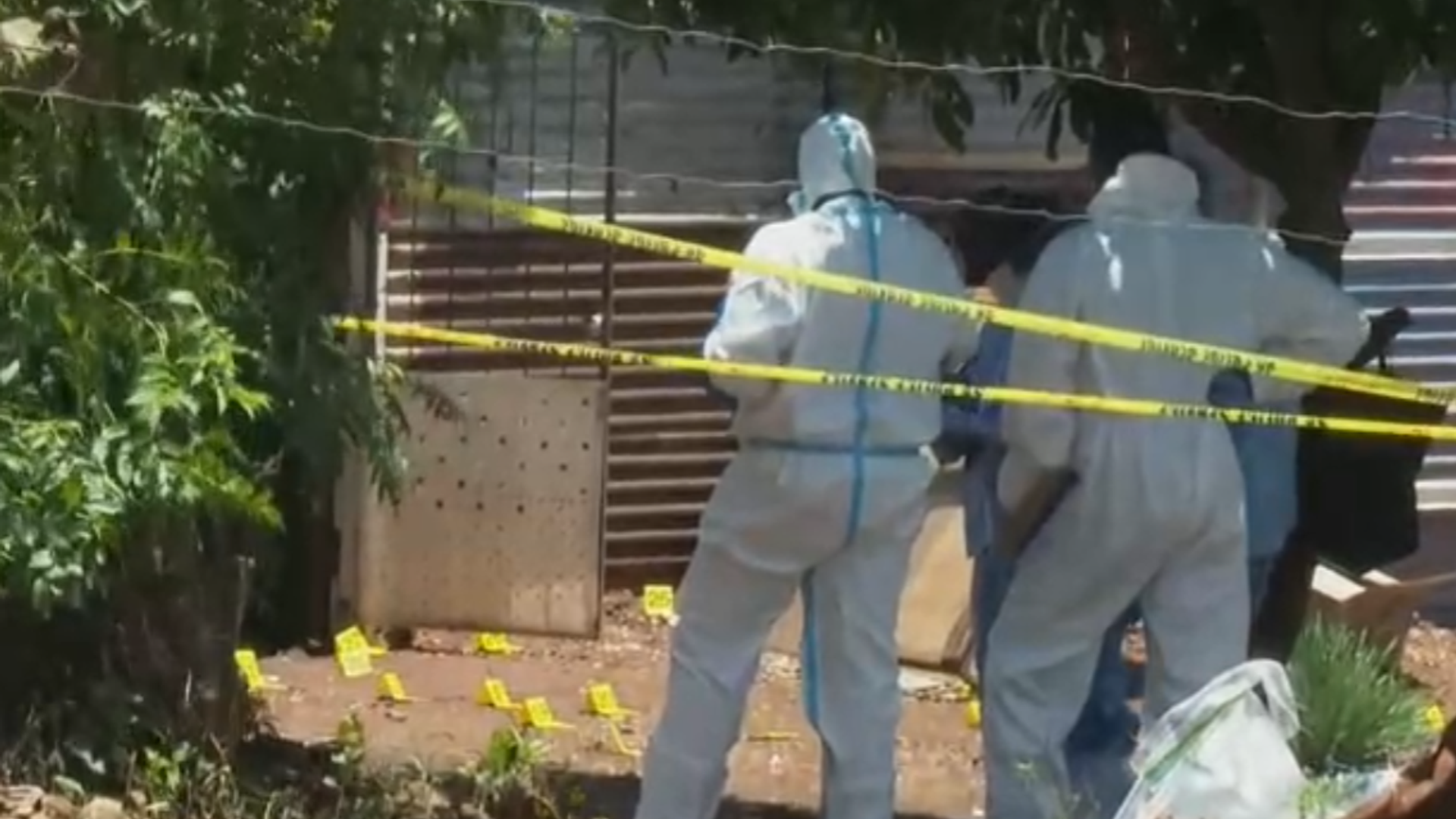
Two separate shootings. Seventeen lives gone in a single weekend.
If you only skimmed the breaking news alerts about at least 17 people killed in two separate shootings in South Africa, you probably saw the grim body count and moved on. Most international headlines treat these incidents like isolated flashes of chaos. They aren't. When you look closely at what happened in the Eastern Cape—specifically in the town of Lusikisiki—and compare it against broader crime patterns across the country, a much more disturbing picture emerges. For a different view, read: this related article.
I've spent years analyzing crime data, security infrastructure, and gun control policy across Southern Africa, and honestly, the surface-level reporting drives me crazy. Journalists rush to count casualties while ignoring the systemic failures that put military-grade weapons into the hands of rural extortion syndicates. Let's break down what actually happened, why the standard explanations fall short, and what the hard data tells us about gun violence in South Africa right now.
What Actually Happened in the Two South African Shootings
Let's get the facts straight first, because misinformation spreads fast when breaking news hits social media. In late September 2024, gunmen carried out two coordinated attacks at separate homesteads in Ngobozana, a rural village just outside Lusikisiki in South Africa's Eastern Cape province. Related reporting regarding this has been provided by USA Today.
The details are brutal. At the first house, attackers gunned down 12 women and one man. Just down the road at a second homestead, gunmen killed three women and one man. Eighteen people died in total once an injured survivor succumbed to wounds in the hospital, though initial police reports confirmed at least 17 fatalities on the scene.
The victims weren't random passersby caught in crossfire. They had gathered at both properties to prepare for a traditional ceremony—specifically, a family cleansing ritual following the murder of a mother and daughter a year earlier. Think about that for a second. Families gathered to mourn and heal from gun violence were wiped out by the exact same plague.
South African Police Service (SAPS) investigators recovered spent cartridges from automatic rifles at both crime scenes. You don't buy automatic assault rifles at a local hardware store. These weren't crimes of passion or spontaneous bar fights. They were targeted executions carried out with heavy weaponry in a rural area where police response times are notoriously slow.
Why International Headlines Miss the Real Story
When mass shootings happen in the United States, the media immediately dissects the shooter's manifesto, mental health history, and school security protocols. When mass shootings happen in South Africa, international outlets usually slap a generic paragraph about "high crime rates" onto a wire report and call it a day.
That lazy framing completely obscures the reality on the ground. South Africa doesn't have a "lone wolf" mass shooter problem. It has an organized crime, illicit firearm, and state capacity crisis.
Here is what the typical news summary leaves out:
- The rural shift: For decades, analysts assumed mass shootings were strictly an urban phenomenon concentrated in the Cape Flats of Cape Town or the townships around Johannesburg. Lusikisiki proves that heavily armed syndicates now operate with total impunity in deep rural provinces like the Eastern Cape.
- Extortion networks: Local authorities and crime researchers at the Institute for Security Studies (ISS) have repeatedly warned about the rise of "construction mafias" and rural protection rackets. When families, local business owners, or community leaders refuse to pay protection money—or cooperate with police—retaliation is swift and lethal.
- Weapon leakage: A massive share of the illegal firearms used in South African mass shootings didn't get smuggled across borders in the dead of night. They leaked directly from state armories, police evidence lockers, and private security firms through corruption and poor auditing.
If you don't understand those three factors, you can't understand why 17 people died in Lusikisiki.
The Hard Numbers Behind South Africa's Gun Crisis
Numbers don't lie, even when politicians try to spin them. According to official SAPS quarterly crime statistics, South Africa averages between 70 and 80 murders every single day. Let that sink in. What makes headlines in Europe or North America happens every 24 hours across South Africa's nine provinces.
Firearms are the primary driver of that bloodshed. Data compiled by Gun Free South Africa and the South African Medical Research Council shows that gun-related homicides surged dramatically over the past decade, reversing gains made after the Firearms Control Act of 2000 took effect.
Look at why that reversal happened. Between 2000 and 2010, strict licensing, background checks, and firearm destruction programs actually drove gun deaths down by roughly half. The law worked. Then enforcement collapsed. Corruption within the Central Firearms Registry allowed thousands of gun licenses to be issued fraudulently to known gang leaders and criminal syndicates.
At the same time, SAPS lost track of thousands of its own service weapons. You can have the strictest gun laws on paper in the world, and it won't mean a thing if the agency tasked with enforcing them can't keep its own inventory locked down.
Common Misconceptions About Mass Shootings in South Africa
Whenever news breaks about multiple fatalities in a South African township or village, the same tired myths pop up in online comment sections. Let's clear them up.
Myth 1 These attacks are random acts of violence
They aren't. Whether it's the 2022 tavern shootings in Soweto and Pietermaritzburg or the Lusikisiki homestead killings, police investigations consistently point toward targeted hits. Turf wars over illegal mining, taxi routes, drug distribution, and extortion rackets drive the vast majority of multi-victim shootings. Innocent bystanders often die because shooters spray bullets indiscriminately with automatic weapons, not because the attack lacked a specific target.
Myth 2 Rural provinces are safe from syndicate violence
Many people still picture the Eastern Cape or KwaZulu-Natal as quiet, traditional regions insulated from big-city gang warfare. That's outdated thinking. Rural municipalities often have weak local governance, understaffed police stations, and vast stretches of unpaved roads. Criminal groups actively exploit that vacuum because they know tactical response units are hours away.
Myth 3 Passing tougher gun laws will fix this tomorrow
I hear this from well-meaning commentators all the time. South Africa already has comprehensive gun legislation under the Firearms Control Act. Passing another bill won't stop a syndicate boss using a stolen police R5 rifle or an AK-47 smuggled from Mozambique. The bottleneck isn't legislation—it's corrupt licensing officials, broken ballistic tracing systems, and low conviction rates.
How Policing and Intelligence Failures Fuel the Cycle
If you talk to veteran detectives in South Africa, they'll tell you the exact same thing behind closed doors. Crime intelligence has been hollowed out.
During the state capture era of the 2010s, political interference gutted SAPS Crime Intelligence. Experienced investigators were sidelined, funds were looted, and informant networks dried up. You don't stop a mass shooting after the bullets start flying; you stop it weeks earlier by infiltrating the syndicate, tracking the weapons, and arresting the hitmen before they load their magazines.
Without reliable intelligence, police are stuck playing reactive cleanup. They cordon off crime scenes, collect shell casings, issue statements promising a "72-hour activation plan," and hope community members risk their lives to testify.
Think about the witness dilemma in a place like Ngobozana. If gunmen just executed 17 people at a family gathering, would you walk into an understaffed local police station to give a statement? Witness protection in South Africa exists, but getting into the program fast enough—and trusting that corrupt officers won't leak your name back to the syndicate—is a massive gamble. Until witnesses know they'll survive testifying, prosecution rates for mass shootings will stay depressingly low.
What Actually Works to Curb Armed Syndicate Violence
We don't have to guess at solutions because criminologists and security experts have already mapped out what moves the needle. When South Africa successfully reduced gun violence in the mid-2000s, it wasn't magic. It was administrative discipline.
First, independent audits of state and private security armories are non-negotiable. Every missing firearm from a police station or private security van needs to trigger an immediate criminal investigation, not a paperwork shuffle. Private security in South Africa employs more armed personnel than the police and military combined, making strict oversight of that sector essential.
Second, ballistic testing backlogs have to be cleared. The National Forensic Science Laboratories have struggled for years with massive backlogs in DNA and ballistic analysis. When a rifle used in a Lusikisiki massacre sits untested in an evidence room for eight months, detectives lose the trail connecting that weapon to other regional hits.
Third, specialized anti-extortion and anti-gang task forces need permanent deployment in high-risk rural districts, not temporary weekend surges after a massacre makes national television. Criminals simply wait out temporary deployments and resume operations the day the armored vehicles leave town.
How to Verify News and Track Accurate Data on South African Crime
If you're following developing stories about mass shootings or violent crime in South Africa, don't rely on viral social media threads. Rumors about casualty counts, suspect arrests, and motives run wild within minutes of an incident.
Stick to primary sources and established research bodies when checking facts:
- South African Police Service (SAPS) Official Media Statements: Check verified SAPS channels for confirmed casualty figures and arrest updates rather than anonymous X accounts.
- Institute for Security Studies (ISS): Their crime hub breaks down quarterly SAPS statistics into plain language and tracks long-term trends across provinces.
- Gun Free South Africa (GFSA): Useful for tracking firearm policy debates, illegal gun recovery numbers, and legislative updates.
- Daily Maverick and News24: Both outlets maintain dedicated investigative desks that follow up on high-profile cases months after initial headlines fade, including court appearances and bail hearings.
The tragedy in Lusikisiki deserves more than a fleeting glance at a grim headline. Seventeen people lost their lives because automatic weapons, rural extortion, and institutional neglect collided in one quiet village. Paying attention to the real mechanics behind these shootings—and holding authorities accountable for firearm control and crime intelligence—is the only way the count stops rising.