For years, Cupertino executives guarded the vertical church of macOS with theological rigidity. Steve Jobs famously dismissed touchscreen laptops as ergonomically disastrous, and for over a decade, Apple officials insisted that desktop operating systems and touch input belonged on entirely separate planets.
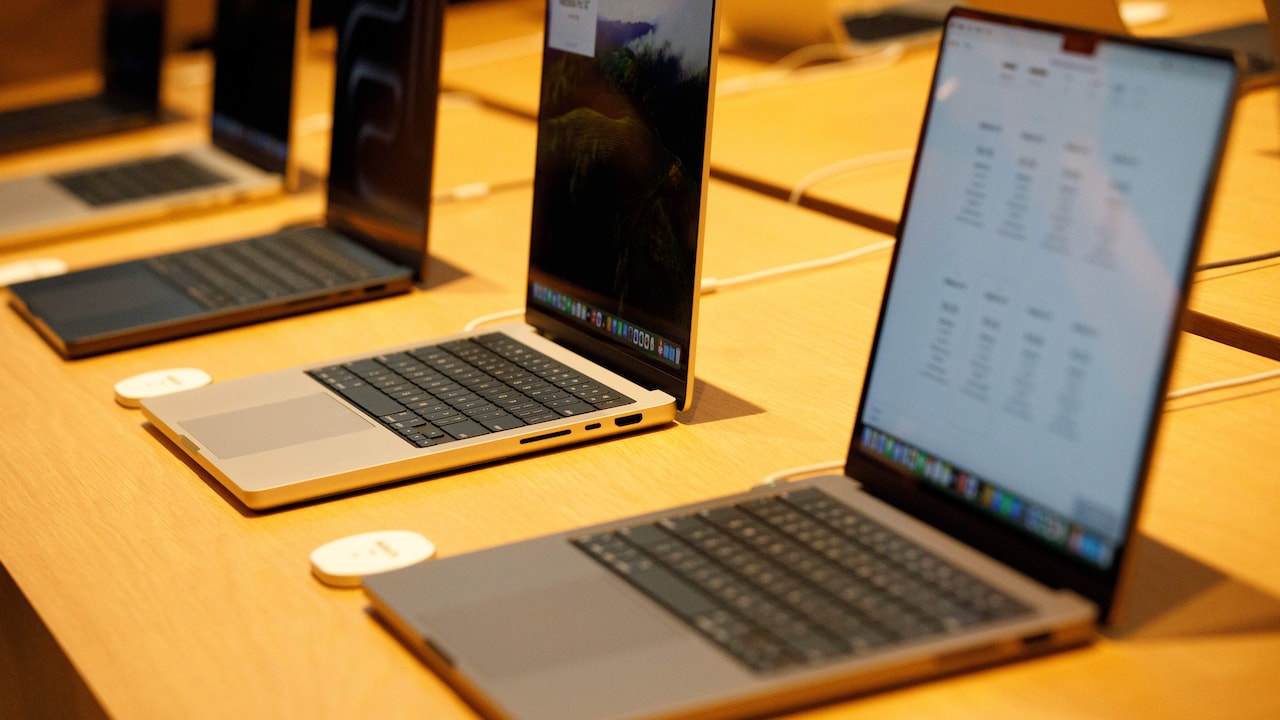
That wall is about to fracture. Supply chain indicators and beta software footprints point toward a radical hardware shift: an ultra-thin, luxury tier laptop carrying organic light-emitting diode panels and direct touch capabilities. Industry watchers are already tagging this hypothetical flagship as the MacBook Ultra, a machine designed to sit above the existing Pro ecosystem.
Yet beneath the polished surface of thinner aluminum and infinite contrast ratios lies a complex corporate gamble. Apple is preparing to launch its most expensive portable computer ever at a moment when component expenses are soaring and consumer upgrade cycles are lengthening. This machine represents much more than a simple spec bump. It is a calculated stress test of professional tolerance, pricing boundaries, and input philosophy.
The Architecture of the OLED Shift
Transitioning laptops to organic light-emitting diode displays sounds simple on paper, but engineering a panel larger than thirteen inches without sacrificing longevity or inviting burn-in requires immense capital investment. Unlike the mini-LED backlighting currently utilized in high-end portables, these new panels use two-stack tandem structures to push brightness levels higher while preserving diode health.
When a professional editor works in timeline-heavy software for twelve hours a day, static UI elements remain permanently fixed on screen. Organic displays degrade unevenly under those conditions unless heavily mitigated by advanced subpixel compensation and oxide thin-film transistor substrates. Sourcing these massive, high-density panels from manufacturers like Samsung forces component expenditures skyward.
This display transition directly drives the rumored chassis redesign. Because self-emissive pixels eliminate the need for bulky backlight modules and diffuser sheets, the engineering teams can shave critical millimeters off the aluminum enclosure.
A thinner profile introduces its own mechanical friction. Cooling high-performance silicon inside a compressed chassis demands meticulous thermal architecture, especially when users begin pressing directly against the display panel. If the structural hinges lack adequate resistance, the entire upper assembly will bounce violently with every tap of a finger, rendering touch input frustratingly imprecise.
The Touch Input Paradox
Adding touch to a desktop-class operating system requires abandoning years of corporate rhetoric. Apple is reportedly bypassing a full tablet transformation, avoiding the awkward convertible hinges seen across the Windows ecosystem. Instead, the physical keyboard and trackpad remain the primary anchors, while touch acts as an auxiliary layer.
Operating system updates hint at touch-friendly adjustments buried deep within the interface, such as adaptive menu targets and secondary modal controls that respond dynamically to finger proximity.
This hybrid approach acknowledges a quiet truth. Professional software suites are notoriously dense, packed with toolbars, keyframes, and sliders designed explicitly for precise cursor manipulation. A finger is a blunt instrument. Attempting to drag a single-pixel audio transition with an index finger on a vertical screen is an exercise in wrist fatigue.
By positioning touch as an optional, secondary interaction method rather than a core navigation requirement, Apple is attempting to thread a very narrow needle. They want to capture the spontaneous convenience of swiping and scrolling without breaking the complex workflows of audio engineers, software developers, and video editors who rely on absolute pixel accuracy.
Pricing Realities and the Silicon Disconnect
The most contentious aspect of this upcoming hardware tier involves what lies beneath the keyboard. Supply chain reports indicate that these premium machines will rely on existing M5 Pro and M5 Max silicon rather than introducing an entirely new generation of microarchitecture at launch.
For a device projected to command starting prices well north of traditional professional brackets—potentially breaching elite luxury thresholds—paying a steep markup primarily for a display and chassis transplant creates a difficult value proposition. Memory and storage manufacturing costs have climbed steadily, dragging base production expenses higher across the board.
When consumers evaluate a machine that costs significantly more than a standard Pro variant while utilizing identical processing engines, the justification shifts entirely to physical form and visual fidelity.
Consider a hypothetical creative director deciding between a current-generation workstation and the upcoming ultra-thin alternative. If the compute performance remains flat, the purchasing decision hinges entirely on whether deeper blacks and finger-tap convenience justify an exorbitant financial premium.
Apple is betting that a segment of the professional market values absolute industrial luxury and cutting-edge display fidelity enough to ignore diminishing returns on raw computing speed. Whether that segment is large enough to sustain a brand-new pricing tier remains the defining question of the hardware cycle.