The Los Angeles Lakers secured a chaotic Summer League victory over the San Antonio Spurs, but the actual basketball on the floor mattered far less than a pre-game update from the training room. Adou Thiero, the high-upside prospect expected to anchor the team's developmental core, was sidelined with a sudden wrist injury. While a mid-July scratch in Las Vegas rarely triggers panic buttons in front offices, Thiero's absence points to a much larger, systemic issue plaguing the modern NBA pipeline. The relentless, year-round basketball calendar is breaking young athletes before they even sign their first extension.
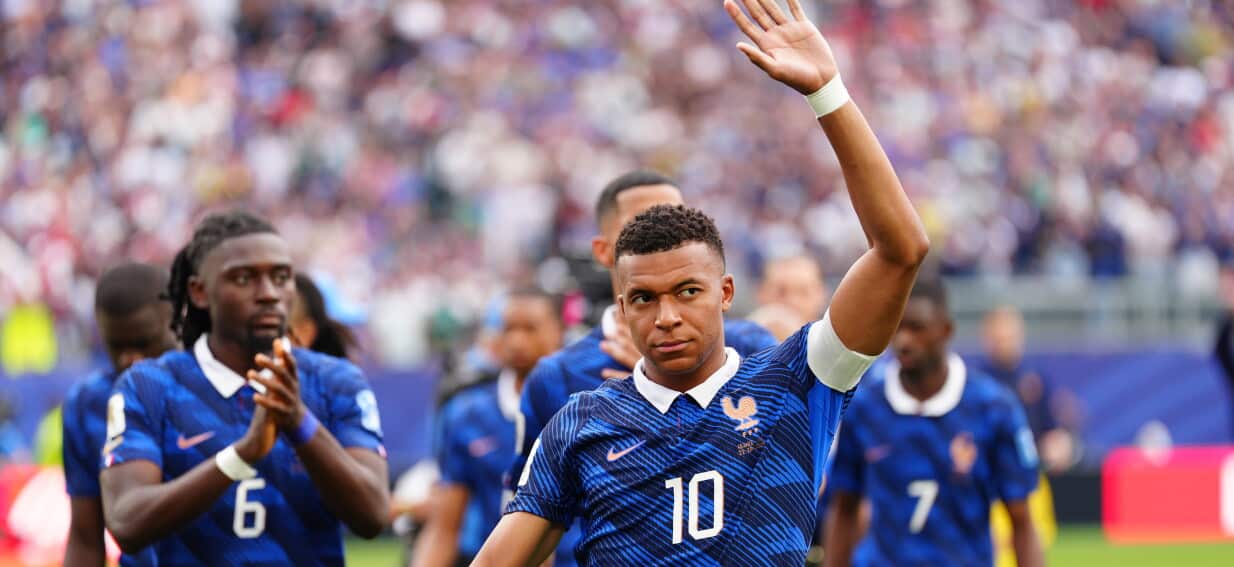
Summer League has morphed from a loose collection of instructional scrimmages into a high-stakes, televised marketing vehicle where roster spots are won and lost on pure physical exertion. For a player like Thiero, whose game relies heavily on explosive athleticism, physical defense, and high-intensity rim pressure, the pressure to perform begins long before the opening tip. When a young player sits out with an upper-extremity issue right as the spotlight intensifies, it is rarely an isolated bit of bad luck. It is usually the bill coming due for months of pre-draft workouts, constant travel, and the intense physical transformation demanded by NBA front offices. You might also find this connected article useful: The Kylian Mbappe Racism Row Proves Football Still Has a Bad Actor Problem.
The Invisible Attrition of the Pre Draft Circuit
The public sees the finished product during July broadcasts. They do not see the grueling six-month gauntlet that precedes it. College athletes transition immediately from their NCAA seasons into aggressive agency training programs, cross-country team visits, and the scouting combine.
By the time a rookie puts on a Summer League jersey, their body has already endured the equivalent of an entire extra competitive season without any structured recovery period. Wrist injuries in particular are frequently the result of acute trauma—like an awkward fall at the rim—but their severity is often compounded by chronic fatigue that slows down a player's stabilizing reflexes. As reported in recent articles by ESPN, the implications are significant.
NBA training staffs understand this reality, yet the institutional pressure to showcase young talent remains immense. Front offices need to justify their draft capital to ownership and fanbases. Media partners need recognizable names to drive viewership during the slowest month of the sports calendar. The players themselves are trapped in a hyper-competitive mindset where sitting out is viewed as a concession to peers who are willing to play through pain.
This environment creates a fundamental disconnect between long-term player preservation and short-term organizational marketing. Managing a minor wrist injury in July prevents a catastrophic structural issue in October, but it also deprives a young player of the live-game repetitions necessary to adjust to the speed of the professional game.
Balancing Immediate Evaluation Against Long Term Durability
For the Lakers, the calculation on the floor without Thiero shifted instantly. The coaching staff was forced to rely on secondary options to orchestrate the offense and fill the defensive void against a physical Spurs roster. While the remaining players managed to grind out a victory, the tape reveals a chaotic, disjointed brand of basketball that serves as a stark reminder of what happens when a team's primary developmental focal point is removed from the equation.
The victory itself provides an illusion of depth, but savvy evaluators look beyond the box score. The absence of an elite physical wing completely alters how a team can execute its defensive schemes. Without Thiero's ability to switch across multiple positions and disrupt passing lanes, the perimeter defense fractured repeatedly, forcing interior defenders out of position and creating clean look after clean look for the opposition. Winning a exhibition game in July does nothing to fix the underlying structural vulnerabilities that appear when a key young asset is injured.
This brings us to the core dilemma facing modern basketball operations. The current evaluation system rewards immediate, explosive production at the expense of sustainable physical development.
Consider a hypothetical scenario where a first-round pick suffers a minor ligament strain during a private workout. If the agency conceals the depth of the issue to protect draft stock, the team inherits a ticking clock. If the team pushes the player onto the floor to appease fans, they risk turning a three-week strain into a six-month surgical recovery. The lack of standardized, independent medical monitoring throughout the pre-draft process leaves both teams and players vulnerable to these exact types of setbacks.
The Problem with the Modern Schedule
The root cause extends far beyond the borders of Southern California. The entire basketball ecosystem is built on a foundation of over-saturation.
- Youth Circuit Burnout: Prospects enter the league with thousands of competitive hours already logged on adolescent joints and ligaments due to the year-round nature of the amateur circuit.
- Accelerated Timelines: Teams no longer allow rookies a patient, year-long acclimation period; players are expected to contribute to winning basketball immediately.
- The Summer League Trap: What used to be a learning environment has turned into a cutthroat audition where players routinely over-extend themselves physically to make an impression.
Shifting from Reactionary Training to True Preventive Management
If organizations want to stop losing high-value prospects to preventable summer injuries, the entire approach to July basketball must change. The current model relies heavily on reactionary load management—sitting a player down only after an MRI reveals inflammation or structural damage. True prevention requires a structural overhaul of how summer workloads are calculated from the moment a player is drafted.
Teams must begin using sophisticated biometric tracking to establish baseline physical data during the first week of mandatory team activities. If a rookie’s grip strength, leap balance, or mechanical deceleration deviates even slightly from their established baseline, they should be automatically restricted from live-contact scrimmages. This removes the emotional burden from the player, who will always choose to play through discomfort if given the option.
The victory over San Antonio will be forgotten by next week. The health and developmental trajectory of the roster's youth will dictate the franchise's competitive ceiling for the next half-decade. Treating summer injuries as isolated, unpreventable flukes is a luxury modern front offices can no longer afford. The organizations that thrive moving forward will be those that view the month of July not as a commercial showcase, but as a critical window for physical stabilization and long-term biological investment.