Diplomacy rarely happens at the negotiating table. Long before foreign ministers exchange draft communiques or trade representatives argue over tariff lines, the real groundwork is laid under the glare of crystal chandeliers, amid carefully choreographed movements and meticulously planned seating charts. When heads of state roll out extraordinary honors for their counterparts, the gesture is never merely ceremonial. It is a calculated signal, sent across oceans and filtered through domestic political lenses, designed to alter the calculus of international relations without firing a shot.
Consider the mechanics of high-level state visits. When leadership rolls out rare honors, every element carries immense weight. The choice of venue, the guest list, the menus, and the visual framing are all variables in a complex diplomatic equation. Journalists often focus on the public statements issued after bilateral meetings, treating the press conference as the climax of an exchange. But veterans of diplomatic reporting know that the substantive shifts usually happen away from the microphones. A state dinner or a rare official honor functions as an atmospheric barometer. It tells us whether tensions are being managed or inflamed, whether an administration is doubling down on confrontation or opening a backdoor for pragmatic compromise. Learn more on a related topic: this related article.
The modern stagecraft of international summits has evolved dramatically over the last few decades. Gone are the days when leaders could rely solely on quiet backroom diplomacy conducted by ambassadors in smoke-filled rooms. Today, every gesture is instantly broadcast to domestic audiences who are increasingly skeptical of foreign entanglements. When a major world leader extends an unusually warm reception to a rival counterpart, domestic critics pounce. Every handshake is scrutinized for signs of weakness. Every honor bestowed is dissected by cable news panels looking for ideological betrayal.
Yet, leaders continue to take these risks because the alternative is dangerous stagnation. Diplomacy requires leverage, and leverage often comes from personal rapport, or at least the public projection of it. By offering rare honors, a host nation achieves two distinct goals simultaneously. First, it flatters the ego of the visiting leader, creating a psychological opening for concessions that might otherwise be dismissed as capitulation. Second, it signals to international allies and domestic stakeholders that channels of communication remain open, preventing minor friction from escalating into catastrophic miscalculation. More reporting by The New York Times highlights related perspectives on the subject.
The friction points in global affairs are rarely static. Economic competition, territorial disputes, and technological dominance form a volatile mix that defies simple resolution. When superpowers clash over trade balances or regional influence, ordinary diplomatic channels often clog with bureaucratic posturing. Officials repeat talking points honed over months of interagency review. Breakthroughs require a jolt to the system. A high-profile state visit provides that jolt, forcing bureaucracies on both sides to align with a political imperative set at the very top.
Critics frequently decry these spectacles as expensive theater, detached from the gritty realities of geopolitical struggle. They point to human rights concerns, trade imbalances, or geopolitical flashpoints that remain unresolved despite the pomp and circumstance. The skepticism is understandable. A banquet does not dismantle a tariff wall. A medal does not halt military exercises in contested waters. But dismissing these events entirely misses how power is actually exercised in the twenty-first century. Perception is a tangible asset in foreign policy. How a nation treats a rival in public shapes the expectations of global markets, regional allies, and domestic voters alike.
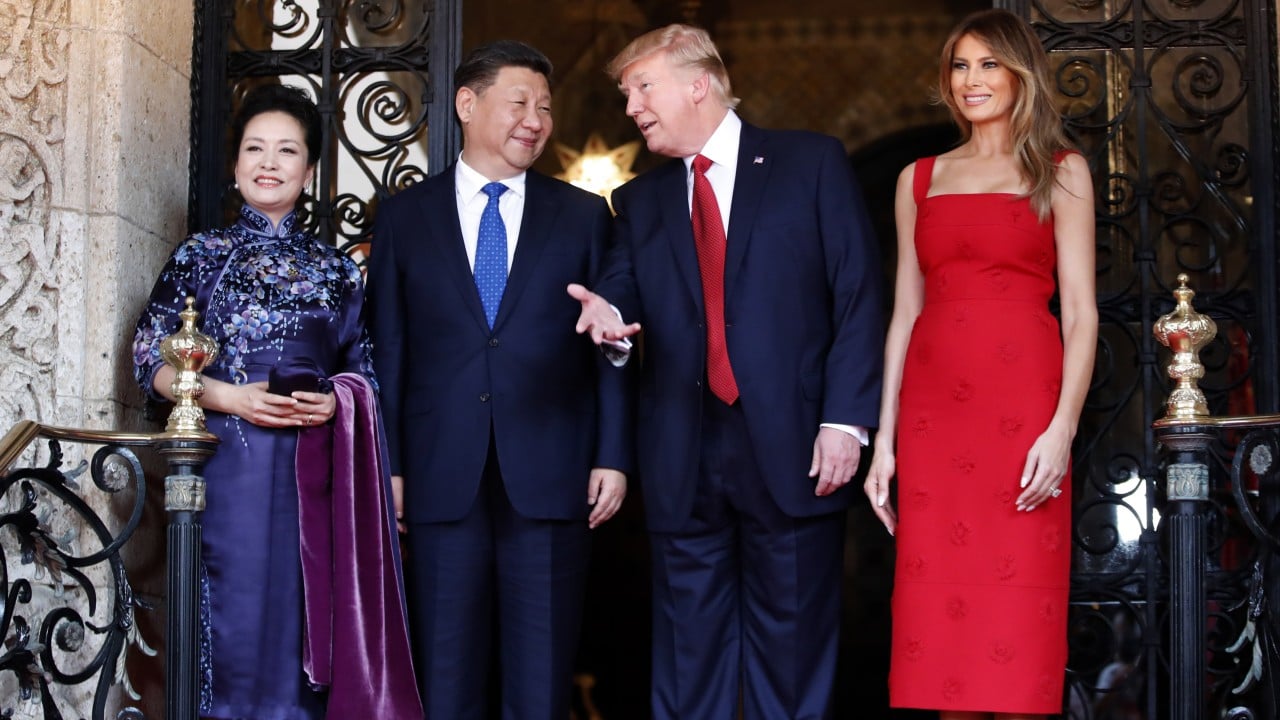
The choreography of these visits reveals the underlying power dynamics far better than any official transcript. Notice who stands where during the arrival ceremony. Observe the body language of the principals when the cameras roll. These are not accidental details. They are the product of weeks of tense negotiation between advance teams who guard their principals' status with ruthless efficiency. If a host nation grants a rare honor, it is because concessions were extracted behind the scenes, or because the host has calculated that projecting strength requires an unexpected display of magnanimity.
As the geopolitical landscape shifts toward multipolarity, the rules of engagement are being rewritten in real-time. Traditional alliances are fraying, transactional relationships are replacing ideological solidarity, and domestic political instability in major democracies makes long-term foreign policy notoriously difficult to sustain. In this environment, leaders must constantly balance the demands of domestic populism against the sobering realities of global interdependence. You cannot tweet your way through a supply chain crisis or deter a nuclear-armed rival with a sharp press release.
Ultimately, the spectacle of statecraft remains an indispensable tool for managing the frictions of a crowded planet. Beneath the layers of protocol, the toasts, and the media framing lies a cold assessment of national interest. When leaders step forward to honor their fiercest competitors, they are gambling that shared survival outweighs short-term conflict, and that the theater of peace is still preferable to the reality of war.