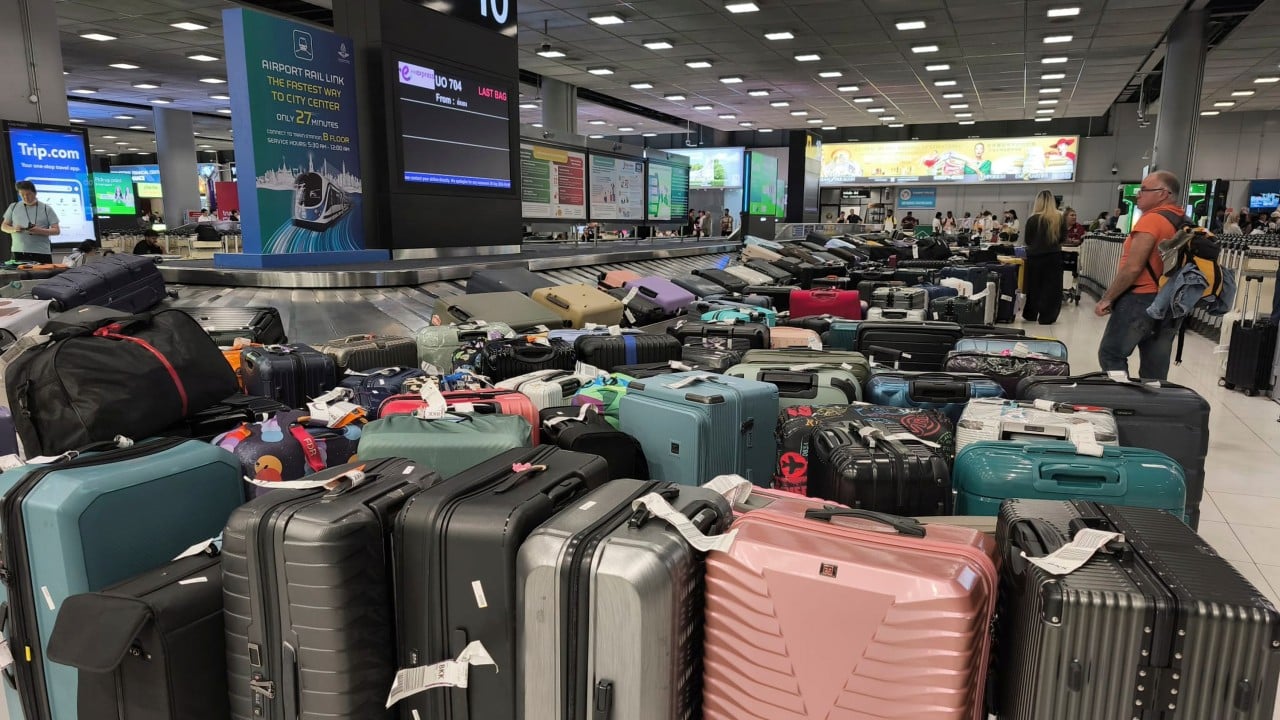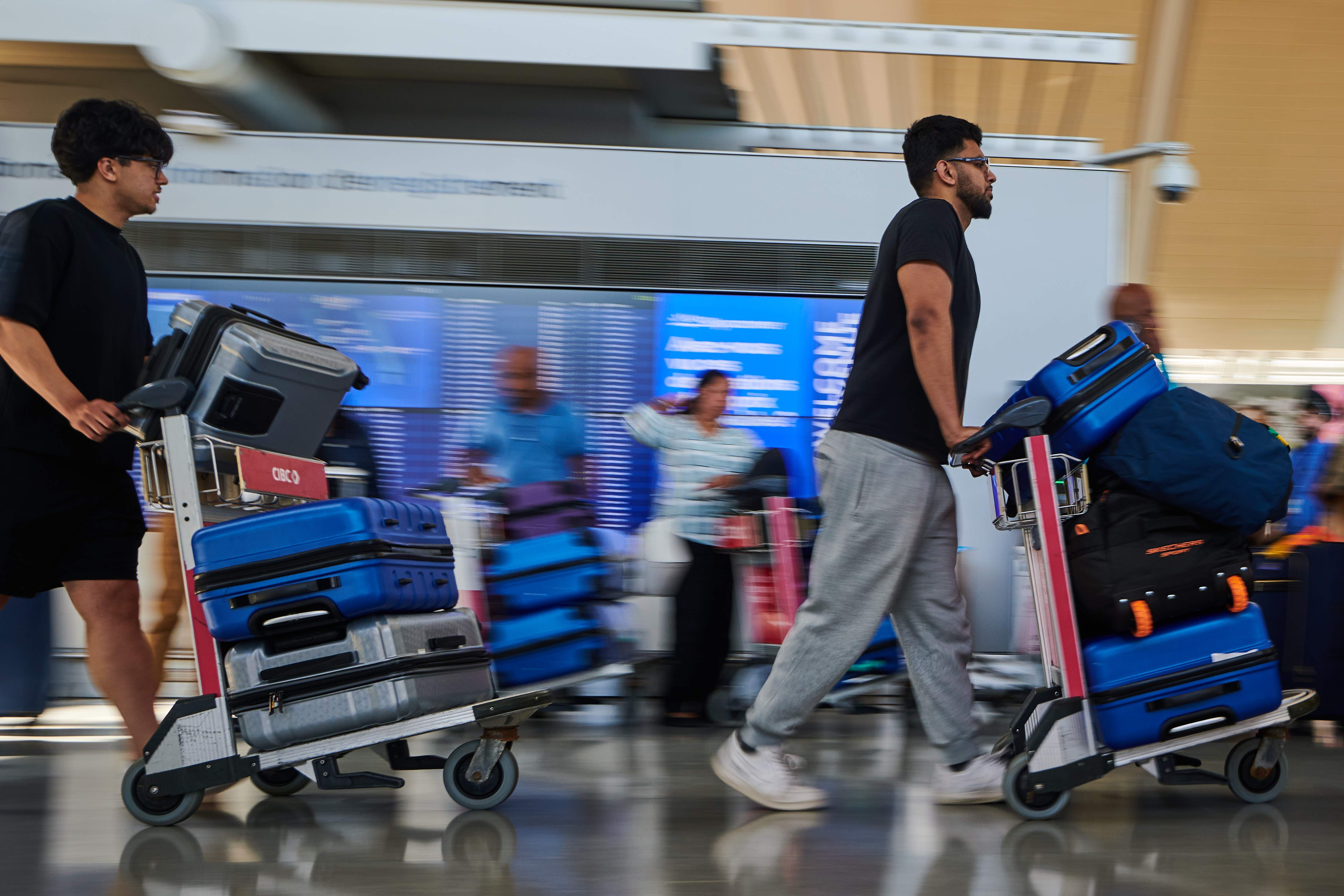
The air inside the terminal smells faintly of stale coffee and damp wool. It is four in the morning, and the world outside is an impenetrable slab of winter dark.
For Elena, every flight begins with a knot in her stomach. She is not afraid of flying; she is afraid of the floor. Specifically, the linoleum floor of Gate 42, where she spent thirty-six hours last December sleeping on a yoga mat while a blizzard howled outside and an airport departure board blinked an indifferent sequence of red cancellations. Recently making news recently: Why High Airfares Are Here to Stay Even When Jet Fuel Prices Drop.
Travelers know the rhythm of delay. It is a slow, grinding erosion of patience. You watch the clock hands drag. You listen to the tinny, digitized announcements that promise ten more minutes, then twenty, then an hour, until time itself feels elastic and cruel. We treat airports like transit zones, but when things break down, they become waiting rooms for life. Birthdays missed. Job interviews squandered. Funerals attended via grainy video calls on cracked smartphone screens.
Yet, something has shifted behind the scenes. More information into this topic are detailed by Condé Nast Traveler.
If you look closely at the data coming out of NAV Canada recently, the numbers tell a story that feels almost counterintuitive in an era of global supply chain headaches and crowded skies. Delays are down. Significant improvements have been recorded across major Canadian hubs. Planes are pushing back closer to their scheduled slots.
To understand why that matters, you have to look past the spreadsheets and step into the darkened, hum-filled room of an air traffic control tower.
The Invisible Architecture Above Us
Imagine standing in a space where silence is forbidden.
Up in the tower, control specialists stare into glowing radar scopes that map the country’s airspace like a pulsing circulatory system of green light and numerical tags. Every dot is a metal tube carrying two hundred souls at five hundred miles per hour.
Air traffic management is not just about telling pilots when to go. It is a ballet of margins. A millimeter adjustment on a radar screen translates to miles of separation in the freezing stratosphere. When weather rolls in off the Pacific or a sudden squall sweeps across the prairies, the system bends. If it bends too much, it snaps. A single ground stop in Toronto can cascade across the Atlantic provinces and ripple out to Vancouver before the evening news cycle ends.
For years, the system was overburdened. Post-pandemic travel surges collided head-on with staffing shortages and aging technological infrastructure. The friction was palpable. Every time a flight was held on the tarmac, thousands of individual human schedules unraveled in unison.
Then came the concerted push for operational efficiency.
It wasn't a single magic invention. It was a thousand quiet adjustments. Better predictive modeling for weather patterns. Refined collaborative decision-making protocols between airlines, airports, and navigation authorities. Faster runway turnaround strategies. It is the boring, unsexy work of logistics optimization—and it is saving sanity by the megawatt.
What the Numbers Actually Mean
Let us look at the reality behind the reports without drowning in dry percentages.
When NAV Canada notes a measurable improvement in on-time performance and a reduction in avoidable airspace congestion, it sounds like bureaucratic self-congratulation. But translate that to human terms.
Fewer delays mean Elena makes her connecting flight in Montreal. It means she doesn't have to sprint across three terminals with a heavy carry-on while her heart hammers against her ribs. It means the freight carrier carrying fresh medical supplies lands on schedule instead of sitting idling on a taxiway while fuel burns and dollars bleed.
Efficiency in aviation is an environmental win, too. Every minute an aircraft sits burning jet fuel while waiting for a gate clearance is unnecessary carbon pumped into an already fragile atmosphere. Smoother routing and tighter scheduling aren't just about convenience. They are about stewardship.
Of course, anyone who has flown recently will scoff at the word smooth.
Planes still get delayed. De-icing operations in winter still cause inevitable bottlenecks. Equipment fails. Human error happens because humans run the world. Perfection is a myth in any system operating at this scale.
Consider a hypothetical flight from Calgary to Halifax during a late-autumn cold front. Ten years ago, a system like that would guarantee a rolling delay that paralyzed half the eastern seaboard's incoming traffic. Today, advanced traffic flow management tools allow controllers to meter departures at the gate before the aircraft ever pushes back. Instead of sitting trapped on a plane for three hours on the tarmac—the modern circle of purgatory—passengers wait comfortably inside the terminal lounge while the jam is managed upstream.
It is a subtle difference, but it changes everything about the psychological weight of travel.
The Human Core of Transit
We demand absolute perfection from complex systems while remaining blissfully unaware of the immense complexity required to achieve even baseline competence.
Thousands of people wake up before dawn to ensure a piece of aluminum weighing hundreds of tons can safely lift off the tarmac, carve a path through freezing clouds, and set down three thousand miles away precisely when promised. They do this in darkness, in freezing rain, and across vast, empty wildernesses.
When the system works, we don't notice it. We complain about the terrible airport coffee or the price of baggage fees. We take the miracle of human flight entirely for granted.
It is only when the system breaks that we remember the invisible hands holding it together. And it is only when those hands get better at their jobs—when the data aligns, when the technology improves, when the processes tighten—that the machinery fades back into the background where it belongs.
Elena walks down the jet bridge. She checks her watch. The boarding time matches the departure time on her mobile pass. There is no anxious cluster of passengers crowding the podium, no apologetic agent whispering bad news into a microphone.
She steps onto the plane, finds her seat, and settles in.
Outside her window, the dawn is finally breaking over the wing, painting the horizon in pale shades of amber and slate. The engines spool up with a deep, familiar roar. The world starts to move.