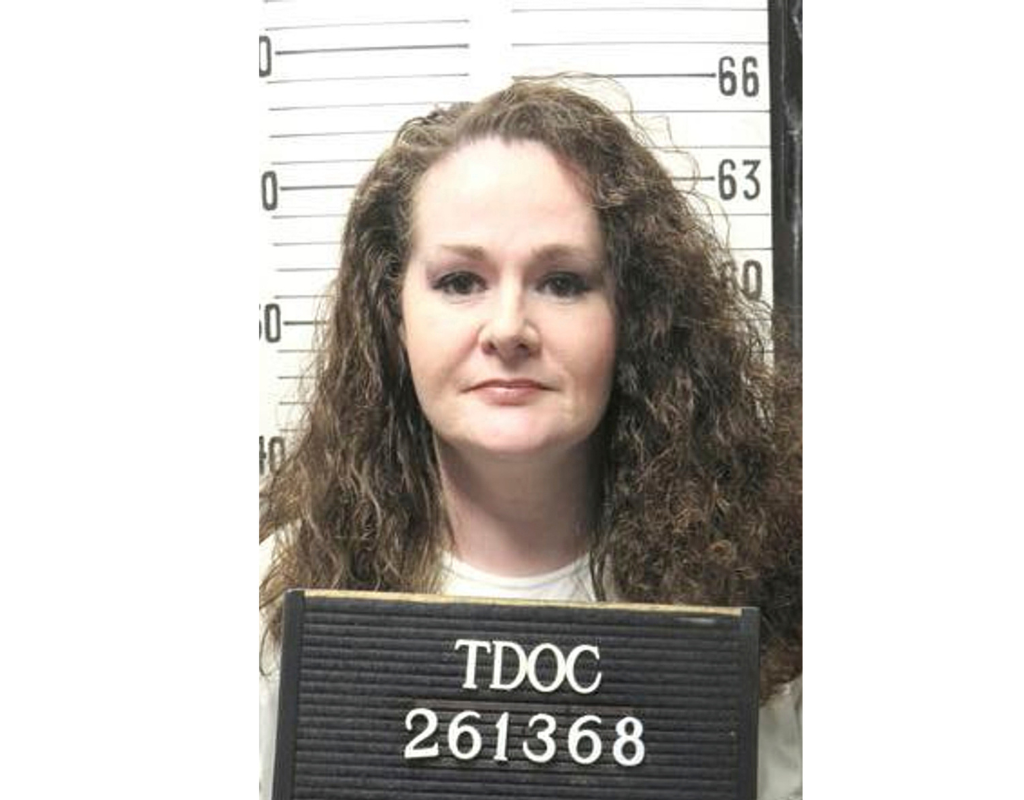
Capital punishment in the United States rarely makes headlines for sheer procedural malfunction. Usually, debates center on morality, deterrence, or the length of appeals. But the botched execution of Christa Pike in Tennessee shattered standard assumptions about how lethal injections are carried out, exposing deep vulnerabilities in state protocols.
When an execution leaves an inmate unconscious, placed on a ventilator in critical condition, and subsequently fighting for recovery, the legal and ethical landscape shifts entirely. You are left looking at a system that failed to execute its statutory mandate while raising severe questions regarding constitutional protections against cruel and unusual punishment.
What Happened Inside the Chamber
The events of September 30, 2026, at the Riverbend Maximum Security Institution in Nashville broke from any historical precedent. Pike, the only woman on Tennessee's death row, was strapped to a gurney after courts cleared the execution to proceed. According to legal filings and witness accounts, execution technicians struggled for over an hour to establish viable intravenous lines, using roughly ten needles across multiple sites on her arms.
Venous collapse is a known hazard in intravenous procedures, but what followed became unprecedented. Defense attorneys asserted that the execution team failed to realize the IV lines had blown or were incorrectly placed, causing the pentobarbital to enter surrounding tissue rather than the bloodstream. Even after administering an initial dose, and subsequently a backup dose, Pike remained alive, breathing, and snoring well past the expected timeline.
Witnesses heard her voice and observed her movements before the chamber blinds were closed. Emergency legal maneuvers scrambled to halt the process, but the physical reality was already set: the execution failed, and Pike was rushed to a hospital unconscious and placed on a ventilator.
The Medical and Legal Aftermath
For days following the incident, Pike remained unresponsive. Medical experts, including consulting anesthesiologists, noted that surviving the administration of lethal chemical doses points toward gross failures in drug delivery or vascular access. Although Pike eventually regained consciousness and the ability to speak before being discharged back to a prison rehabilitation facility, her physical recovery remains clouded by severe pain, burned or blistered arms, and deep trauma.
The immediate political fallout was swift. Tennessee Governor Bill Lee paused all remaining executions for the year and ordered an independent, third-party review led by a former U.S. attorney. Meanwhile, state officials and defense attorneys locked horns in Davidson County Chancery Court. Pike's legal team secured a preservation order for evidence, including the remaining pentobarbital lots and execution logs, while the state actively pushed back to restrict access to those materials.
Constitutional Crossroads and Double Jeopardy
Legal scholars immediately began dissecting the viability of a second execution attempt. Past failed executions—usually halted due to inability to set an IV line before any drugs were administered—offered little roadmap for this scenario. Legal experts point out that Pike is the first person in modern history to survive after the state actually pushed the lethal drugs intended to end her life.
This creates a dual constitutional crisis. First, can the state subject someone to a second execution attempt after putting them through the chemical trauma of a botched first attempt? Attorneys argue this violates the prohibition against cruel and unusual punishment under the Eighth Amendment. Second, questions of double jeopardy and mental competency loom large. A person must comprehend why they are being punished; surviving a near-fatal medical catastrophe alters competency evaluations entirely.
Why This Changes the Death Penalty Debate
The focus has shifted from abstract philosophical arguments to mechanical competence. When execution protocols break down so thoroughly, even supporters of capital punishment face difficult questions regarding state competence and human error. Transparency requests from media organizations and legal defense teams continue to meet resistance from departments of correction guarding their secrecy laws.
As independent investigations unfold, the case of Christa Pike stands as a stark reminder that state-sanctioned killing relies on precise medical execution—and when that machinery fails, the consequences expose the raw, unfiltered flaws of the entire apparatus.