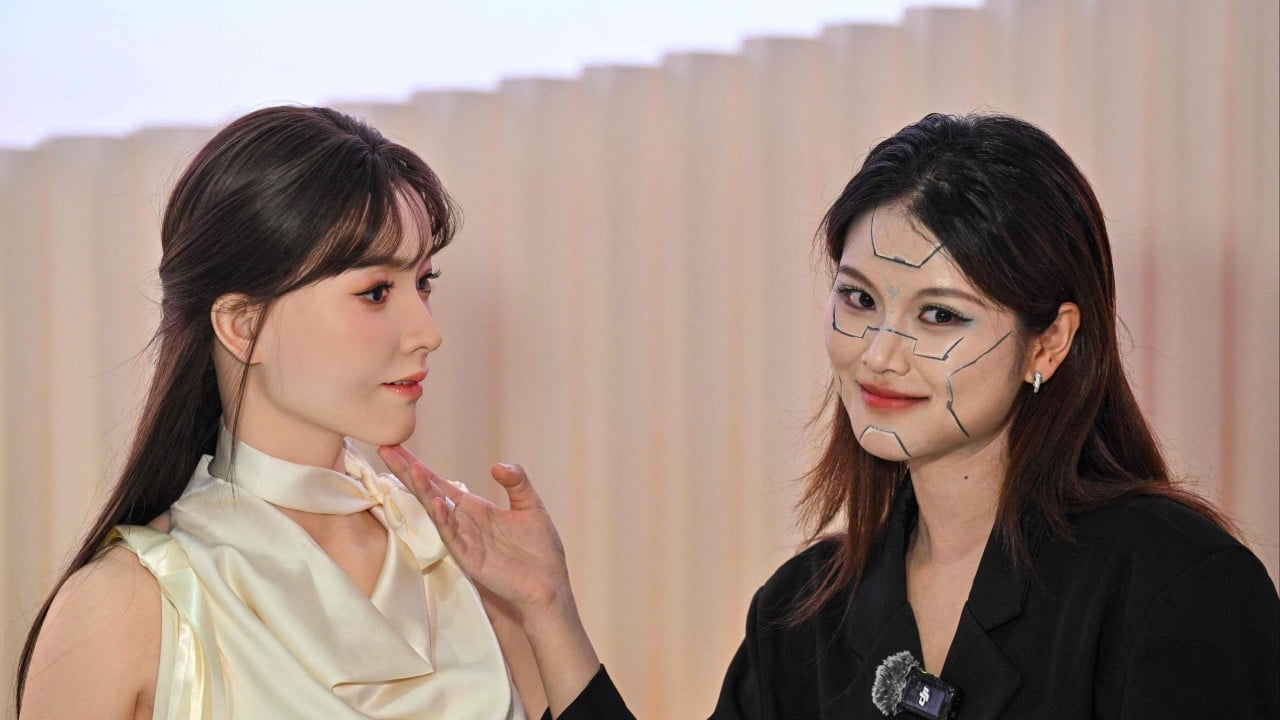
Robots used to belong strictly to factory floors and science fiction sets. That barrier is breaking down fast. In Shenzhen, UBTech Robotics just introduced a full-sized consumer humanoid series called the U1, and buyers are responding with real money.
Instead of focusing purely on assembly lines or logistics warehouses, this new wave of domestic hardware targets personal interaction. Over 13,000 pre-orders rolled in immediately at the launch event, proving that a segment of the public is ready to welcome bipedal machines into domestic spaces.
If you think a humanoid robot at home is just an expensive gimmick, you need to look closer at how consumer habits are shifting across Asian markets.
Shifting From Factory Floors to Family Rooms
For years, robotics companies treated factories as the ultimate proving ground. Firms like Tesla focus heavily on manufacturing environments with Optimus, while other enterprises build machines strictly for warehouse picking. UBTech itself spent over a decade refining industrial models like the Walker series for automotive plants run by companies such as BYD and Geely.
Factories are predictable. Homes are completely chaotic.
Your living room features shifting furniture layouts, wandering pets, children running around, and unpredictable daily schedules. Designing a machine that operates safely in that kind of messy environment requires a totally different engineering philosophy.
That is why the U1 launch marks a sharp pivot. Available in male and female versions standing 183cm and 168cm tall, these units come in Lite, Pro, and Ultra variants. Prices span a massive range, starting around 119,800 yuan (roughly $17,650 USD) and climbing up to 990,000 yuan for top-tier editions.
What Makes These Consumer Humanoids Different
You might wonder what you actually get for tens of thousands of dollars. These aren't remote-controlled toys or basic smart speakers on wheels.
The hardware specs are intensive. Each unit packs 88 servo joints, a synthetic silicone exterior designed to mimic human touch, and local emotional AI processing powered by Rockchip chips. Keeping data processing local on the device rather than pushing everything to the cloud addresses privacy concerns head-on.
The primary goal here is companionship and conversation. The robot is engineered to maintain eye contact, process natural speech, and display facial expressions that match ongoing dialogue.
Replicating human facial expressions mechanically is an engineering nightmare. Fitting thousands of tiny components into a humanoid head while maintaining structural reliability takes immense precision. Jiao Jichao, head of UBTech's Embodied Intelligence research, noted that balancing natural aesthetic movement with consistent mechanical performance at scale was one of their hardest hurdles.
Market Readiness and the Reality of Adoption
Scepticism around consumer robots is entirely valid. Past attempts at social robots often suffered from stiff movements, robotic voices, and awkward conversational loops that wore out their welcome within a week.
Yet, consumer reception in China tells an interesting story. JD.com product pages for the U1 drew over a million page views almost instantly, and CEO Zhou Jian confirmed pre-order interest outpaced initial expectations. Market analysts at Morgan Stanley recently adjusted their forecasts upward, predicting China's humanoid shipments will hit 50,000 units this year and scale toward 446,000 units annually by 2030.
Cultural differences also play a massive role here. Surveys from research groups like the Mitsubishi Research Institute indicate that consumers in parts of Asia are significantly more receptive to robotic assistance in daily life compared to counterparts in the US or Europe. Factors like aging demographics and a growing demand for eldercare solutions create a practical baseline need that goes beyond mere novelty.
If you are evaluating where consumer technology is heading next, keep an eye on how these early domestic rollouts perform. The shift from industrial automation to personal living spaces is no longer theoretical. It is happening right now in living rooms across Shenzhen and beyond.
UBTech SHOCKS the World! China's Lifelike Humanoid Robots Enter Mass Production as Demand Surges
This video provides an up-close look at UBTech's manufacturing capabilities and the public reveal of their mass-produced humanoid lineup.
http://googleusercontent.com/youtube_content/1