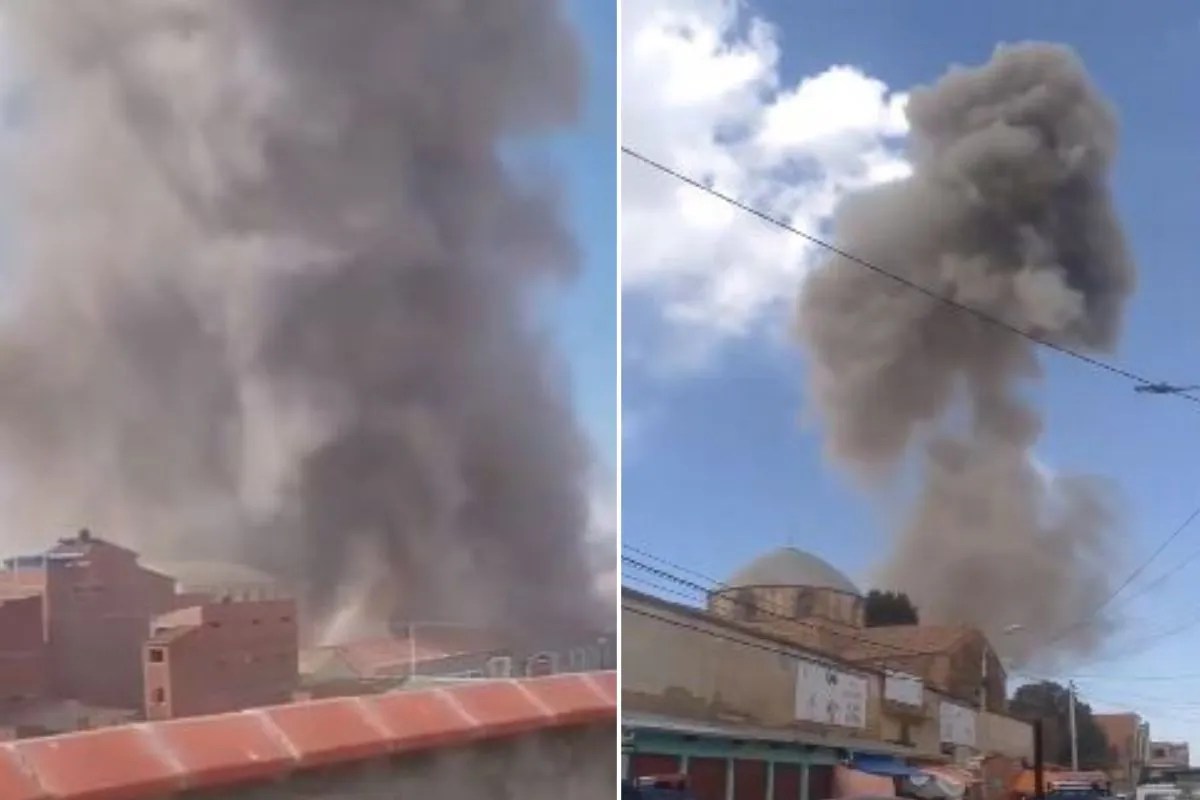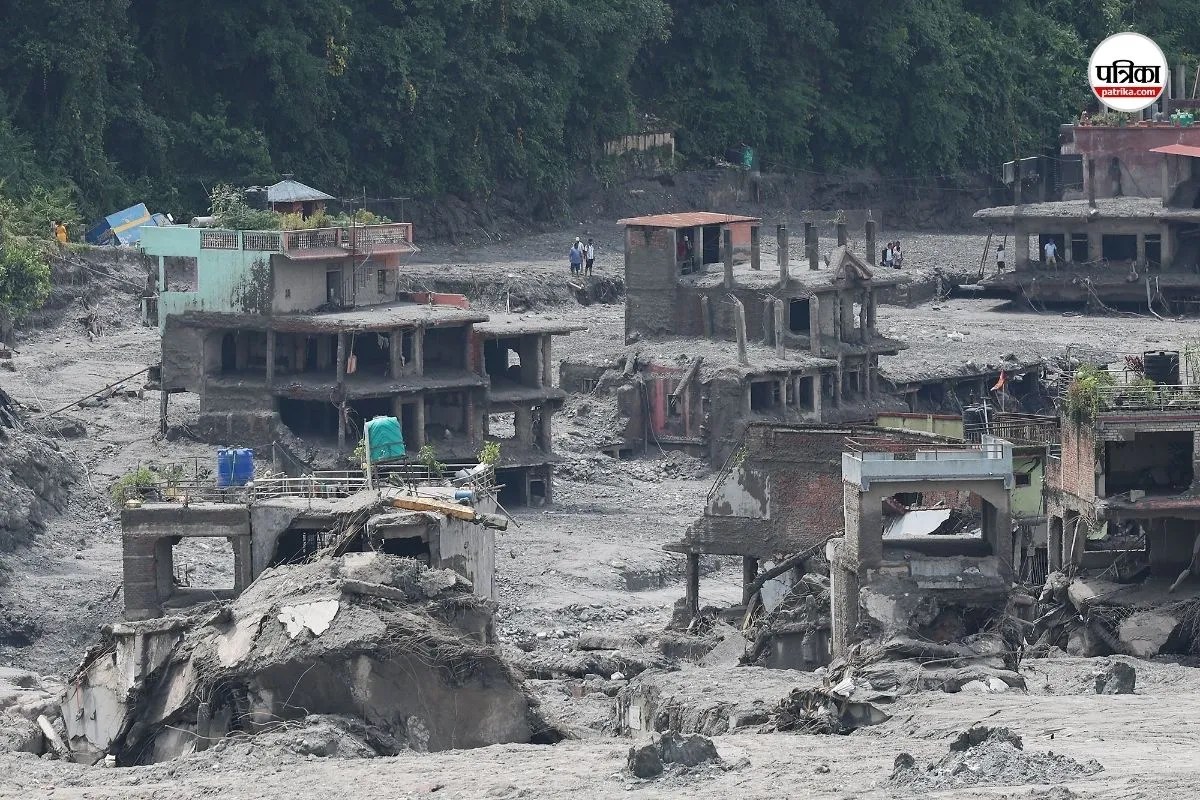
When a glacier fractured high on Mount Langtang Lirung, nobody predicted the sheer scale of the catastrophe that would follow. The resulting ice-rock avalanche triggered massive debris flows across the Himalayan border, catching entire communities and infrastructure off guard. For days, attention stayed locked on Nepal as the local death toll climbed past a thousand. Now, Beijing has broken its silence. Chinese authorities officially released their local casualty numbers, confirming that 31 bodies were pulled straight from a shattered immigration facility in the southwestern Tibet region, alongside hundreds of lingering disappearances.
This update brings a clearer, much darker picture to a disaster that has already claimed well over 1,300 lives across the region.
Inside the Numbers Released From the Other Side of the Border
For nearly two weeks, exact details from the Chinese side of the Himalayan border remained sparse. State media highlighted road-clearing operations and heavy machinery deployed near the border crossing, but concrete casualty figures stayed under wraps. That changed when officials confirmed the recovery of 31 bodies from the local immigration center, which was entirely overrun by the deluge.
Along with those recovered bodies, Chinese authorities noted that 531 people remain missing in the Xizang Autonomous Region. This subgroup includes a significant number of foreign nationals—travelers, workers, and pilgrims who were caught in the remote border valleys when the wall of water and mud hit.
The totals paint a grim reality:
- Combined fatalities from both sides have climbed past 1,375.
- More than 5,500 individuals remain unaccounted for.
- Infrastructure like the Gyirong Port was severely damaged or completely buried under meters of mud and rock.
Why This Disaster Hit So Hard
Glacial outbursts are nothing new to the Himalayas, but the velocity and volume of this specific event caught scientists and local emergency teams by surprise. When the glacier gave way at an altitude exceeding 5,000 meters, it didn't just cause a standard river overflow. It created a destructive debris torrent that scoured valleys clean, destroying hydropower stations, washing away bridges, and isolating mountain towns.
In Nepal, dozens of workers went missing inside massive tunneling systems belonging to local hydro projects. Rescuers faced grueling conditions trying to pump oxygen into blocked shafts while digging through thick layers of silt. On the Chinese side, heavy equipment struggled for days just to punch through blocked mountain passes so relief teams could reach flattened outposts.
The sheer volume of debris—estimated by the United Nations to be millions of tonnes of rock, mud, and wrecked building materials—turned recovery into a slow, mechanical nightmare.
The Broader Crisis Facing Himalayan Communities
This tragedy forces an uncomfortable conversation about climate vulnerability in mountain regions. Geoscientists have warned for years that rising temperatures destabilize high-altitude glaciers, creating dangerous, swelling lakes that can burst without warning. When those natural dams fail, nations thousands of feet below pay the price.
Border regions like the one connecting Nepal and Tibet rely heavily on shared river basins and trade ports. When a flash flood wipes out these lifelines, the economic and human toll ripples across international boundaries. Foreign governments have rushed to supply specialized gear—including DNA testing kits, drones, and water purification units—to help overwhelmed local authorities identify victims and prevent disease outbreaks in makeshift camps.
Mass burials in hastily dug trenches have become a harsh necessity in Kathmandu and surrounding districts as forensic teams scramble to catalog DNA profiles before bodies decompose beyond recognition. Families from as far away as Europe and North America wait anxiously for news of relatives who traveled to the region for trekking or spiritual journeys.
As search operations slowly shift from rescue to recovery, the focus turns entirely toward reinforcement. Mountain communities need early-warning sensors, better-engineered infrastructure, and evacuation routes that can handle sudden glacial outbursts before the next wall of water comes down the valley.