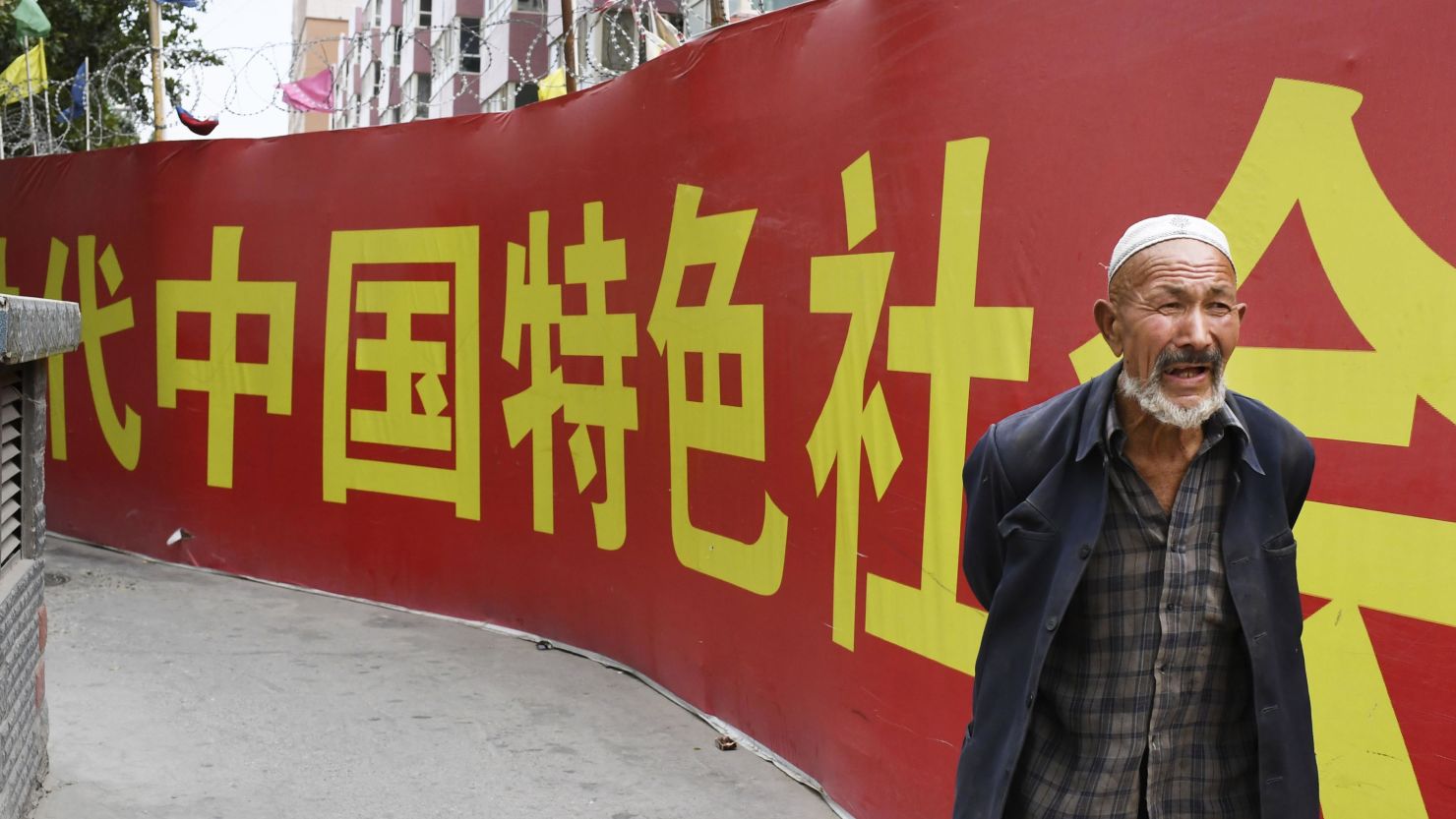
If you think the crisis in East Turkistan peaked years ago and faded away, you're missing the most dangerous part of the story. The high-profile "re-education camps" that grabbed headlines in 2017 haven't vanished; they've simply evolved into a permanent, legal, and global infrastructure of control. By March 2021, the world was just starting to grasp the scale of the atrocities. Today, in 2026, the World Uyghur Congress (WUC) is sounding the alarm on a repression machine that has moved far beyond China’s borders, reaching into the streets of Tokyo, the hotels of Sarajevo, and the digital lives of women worldwide.
The reality is that Beijing hasn't backed down. Instead, it's doubling down with new "ethnic unity" laws that effectively criminalize being Uyghur. Discover more on a similar topic: this related article.
The Myth of the Closing Camps
Many people believe the camps are closing because some satellite images show a few sites being repurposed. That’s a dangerous misunderstanding. According to the WUC and recent analysis from the 2026 USCIRF report, at least 500,000 Uyghurs remain unjustly imprisoned in high-security facilities. Others haven't been "freed"—they’ve been funneled into state-run forced labor programs or formal prisons with decades-long sentences.
We aren't talking about a temporary security measure anymore. It’s a permanent caste system. Uyghurs and other Turkic minorities now make up about 34 percent of China’s total prison population, despite being only 1 percent of the national population. When you're 47 times more likely to be jailed than your neighbors just because of your ethnicity, that isn't law enforcement. It's an ethnic purge. Additional analysis by The New York Times delves into related views on the subject.
Repression Without Borders
What should keep you up at night is how this system now follows people across the globe. Transnational repression—the practice of a government reaching across borders to silence its critics—has become China's primary tool for managing the diaspora.
Basically, if you’re a Uyghur activist in Munich or a student in Paris, you're never actually "safe." The WUC recently documented an incident where unidentified Chinese agents followed delegates from Frankfurt all the way to a hotel lobby in Sarajevo, taking photos and videos to intimidate them. In Tokyo, similar surveillance occurred during a community event.
- Digital Warfare: It’s not just physical stalking. Rushan Abbas, Chair of the WUC Executive Committee, recently highlighted how digital repression specifically targets women. They face a barrage of online abuse, hacking attempts, and "proof of life" demands where they're forced to watch family members back home beg them to stop their activism.
- Forced Returns: Last year, in February 2025, Thailand forcibly returned 40 Uyghur men to China under intense pressure from Beijing. A year later, their whereabouts are still unknown. They’ve effectively vanished into a black hole.
- The Family Lever: This is the cruelest part. If you speak out in Washington D.C., the police in Urumqi visit your parents. They don't have to touch you to break you; they just have to threaten the people you love.
The 2026 Ethnic Unity Law
On March 12, 2026, China’s legislature approved the "Law on Promoting Ethnic Unity and Progress." Don't let the name fool you. It's a legal veneer for forced assimilation. This law essentially codifies the destruction of Uyghur identity.
It prioritizes Mandarin Chinese in all public life and makes "Sinicization"—reshaping minority culture to fit the Communist Party’s narrative—the law of the land. Under this framework, practicing your religion or speaking your native tongue can be framed as a threat to "unity." It gives the state a blank check to criminalize any behavior that isn't 100% compliant with Han-majority norms.
Supply Chains and Complicity
Most of us are wearing the results of this system. Despite years of "clean supply chain" promises, the WUC and the Global Legal Action Network (GLAN) recently won a major court victory in the UK. The Court of Appeal ruled that the UK National Crime Agency was wrong to refuse an investigation into Uyghur forced labor cotton.
The court confirmed something vital: cotton produced through forced labor is criminal property. If a brand knows or even suspects their shirts come from these camps, they’re essentially trading in stolen goods. This isn't a "political" issue; it's a massive legal liability for every major retailer. Yet, investigations show UK-backed carbon capture projects are still overlapping with internment zones. The hypocrisy is stunning.
What Needs to Happen Now
The international community has been far too passive. Monitoring the situation isn't enough when people are disappearing into a system that views their very existence as a "virus."
- Demand Transparency: If you're an investor or a consumer, ask for more than just a "social audit." Traditional audits are useless in a police state where workers can't speak freely without a guard in the room.
- Support Transnational Protection: Governments in democracies like the US, Japan, and Germany need to treat Chinese surveillance on their soil as a direct violation of sovereignty.
- Legal Accountability: Follow the Argentinian model. The WUC has launched a criminal case in Argentina for genocide and crimes against humanity. Supporting these legal avenues is the only way to move past "grave concern" into actual consequences.
The "Strike Hard" campaign started in 2014. We’re over a decade into this, and the machinery is only getting more sophisticated. Staying quiet is no longer a neutral act; it's a contribution to the silence that lets this system thrive.
:max_bytes(150000):strip_icc():focal(749x0:751x2)/auschwitz-2-691cb034ee9e43cfa45a0969012c6337.jpg)